2955C South Glebe Rd.
Arlington, VA 22206
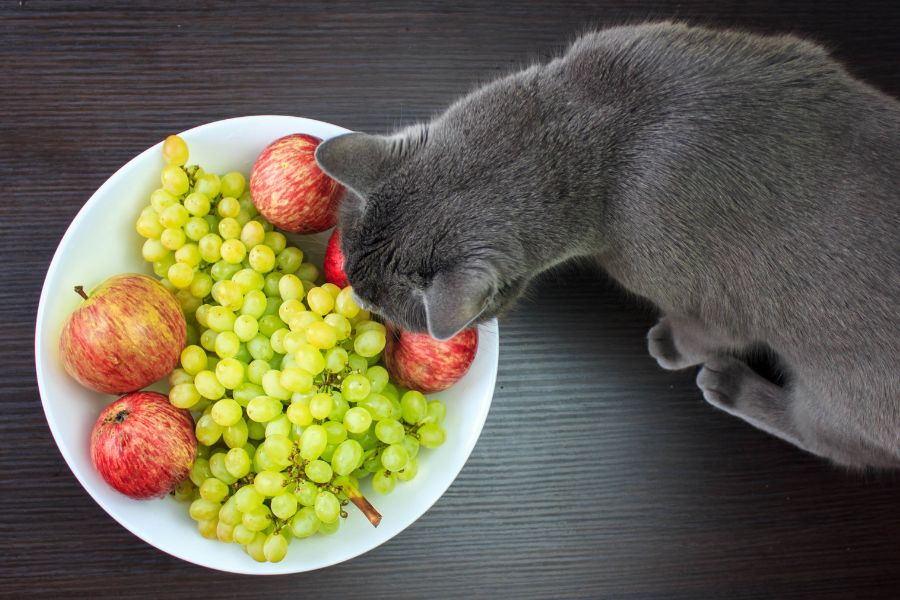
Feeding your furry companion is more than just a routine; it’s a commitment to their health and happiness. Every pet parent faces the dilemma: should I prepare homemade meals, or rely on the convenience of store-bought pet food? While both options have their merits, understanding the differences is crucial to making an informed decision that supports your pet’s well-being.
The Appeal of Homemade Pet Food: Love Served in a Bowl
Many pet owners are drawn to homemade food because it offers full control over what goes into their pet’s bowl. When you prepare meals at home, you know exactly which ingredients are used, which helps avoid harmful additives, preservatives, or low-quality fillers.
Moreover, homemade meals can be customized to suit your pet’s age, breed, activity level, and any health issues. For instance, a senior dog with joint problems can benefit from meals rich in omega-3 fatty acids and glucosamine. Similarly, cats with sensitive stomachs can enjoy recipes tailored to their digestive needs.
However, caution is necessary. A homemade diet that lacks essential nutrients can lead to deficiencies, impacting your pet’s growth, immunity, and overall health. Consulting a professional, like a veterinarian in Arlington, ensures your homemade recipes are balanced and complete.
Store-Bought Pet Food: Convenience Meets Nutritional Science
On the other hand, store-bought pet food is designed for convenience and consistency. High-quality commercial diets undergo rigorous testing to ensure they meet nutritional standards set by organizations such as the Association of American Feed Control Officials (AAFCO).
One major advantage is convenience. Busy pet parents can simply open a bag or can, confident that their pets are receiving a balanced diet. Additionally, these foods often contain vitamins, minerals, and supplements that may be difficult to incorporate into homemade meals.
Nevertheless, not all store-bought options are created equal. Low-quality kibble or canned food may contain fillers, artificial flavors, or excessive preservatives, which could lead to obesity, allergies, or digestive issues. Therefore, selecting reputable brands and reading ingredient labels carefully is essential.
Nutritional Comparison: Quality Over Quantity
When it comes to nutrition, the debate often comes down to quality versus control.
- Homemade food allows complete control over ingredients, ensuring your pet avoids allergens or unnecessary additives. It’s also fresher, which can enhance nutrient absorption.
- Store-bought food, particularly premium formulas, is fortified with essential nutrients and provides balanced portions recommended for your pet’s age and size.
The main challenge with homemade diets is achieving nutritional balance. For instance, dogs require adequate protein, fats, carbohydrates, vitamins, and minerals. Cats, being obligate carnivores, need taurine, arginine, and specific fatty acids. Missing even one critical nutrient can have long-term health consequences.
Cost and Convenience: Balancing Your Lifestyle
Cost and convenience play significant roles in pet food decisions. Homemade meals can be cost-effective if prepared in bulk using fresh, local ingredients. However, they are time-consuming and require planning, cooking, and portioning.
Store-bought food saves time and effort, which is especially beneficial for working pet parents. While premium brands may be more expensive than basic homemade ingredients, the convenience and guaranteed nutritional balance often justify the cost.
Digestive Health and Palatability: What Your Pet Prefers
Pets can be picky eaters, and palatability is a crucial factor. Homemade meals often appeal more to pets because they’re freshly cooked and aromatic. This can encourage appetite in picky or senior pets.
Store-bought foods, especially wet formulas, are designed to be palatable and consistent. Some pets, however, may develop sensitivities to certain commercial ingredients, which can cause digestive upset. Monitoring your pet’s reactions to both diet types is essential to ensure digestive health.
Safety First: Avoiding Hidden Dangers
Homemade diets can pose risks if not prepared safely. Improper storage, undercooked meats, or toxic ingredients like onions and garlic can harm your pet. Always follow safe cooking and handling practices.
Store-bought pet foods, when purchased from trusted brands, are generally safe. They undergo quality control and meet strict safety standards. However, recalls do occur occasionally, so staying updated is key.
Making the Right Choice for Your Pet
Ultimately, the healthiest option depends on your pet’s individual needs, lifestyle, and your commitment to preparing balanced meals. Many pet parents opt for a hybrid approach: supplementing high-quality commercial food with fresh, homemade ingredients. This can provide both nutritional assurance and personalized care.
Regular checkups with a veterinarian in Arlington are crucial to monitor your pet’s weight, nutrient levels, and overall health. Your vet can guide you in creating a diet plan that combines the best of both worlds.
Spotting the Difference: Homemade vs. Store-Bought
| Feature | Homemade Pet Food | Store-Bought Pet Food |
|---|---|---|
| Control over ingredients | High | Limited |
| Nutritional balance | Depends on preparation | Guaranteed (if premium) |
| Convenience | Low | High |
| Palatability | Often high | Generally good |
| Cost | Variable | Moderate to high |
| Safety | Requires caution | Regulated and tested |
Choosing between homemade and store-bought pet food isn’t just a matter of preference—it’s about your pet’s health and lifestyle. Homemade meals offer freshness, customization, and control, while commercial diets provide convenience, consistency, and fortified nutrition.
For many pet owners, combining both approaches under professional guidance creates the most balanced and healthful diet. Remember, the key to a thriving, happy pet is not just what they eat, but how well their diet aligns with their specific needs.
By making informed choices, staying attentive to your pet’s health, and consulting with experts when necessary, you can ensure that every meal contributes to a longer, healthier, and happier life for your furry companion.