2955C South Glebe Rd.
Arlington, VA 22206
The Fear Free Approach
Fear Free is a program launched by Dr. Marty Becker in 2016. His aim was to alleviate pet anxiety during veterinary visits and encourage more frequent care. The 2014 Bayer Veterinary Healthcare Usage study revealed that a significant portion of pet owners reported their pets' aversion to veterinary visits, with 37% of dog owners and 58% of cat owners stating their pets disliked going to the vet. Moreover, 26% of dog owners and 38% of cat owners expressed experiencing stress simply at the thought of a veterinary appointment.
The Value of Fear Free Practices
Implementing Fear Free techniques leads to reduced stress and anxiety for both pets and their owners during veterinary visits. Consistent veterinary care contributes to your pet’s overall health and happiness. These regular check-ups facilitate the early detection and treatment of potential health problems or illnesses.
Preparing Your Pet for a Calm Veterinary Visit
A stress-free veterinary experience often starts at home. Always transport your pet using a leash or carrier. Many cats experience anxiety as soon as they see their carrier at home. To reduce this, acclimate your cat to their carrier by:
- Leaving the carrier in a frequently used area.
- Placing familiar bedding inside, such as their favorite blanket or something with your scent.
- Placing treats, toys, or catnip inside daily to encourage voluntary entry.
Carrier design impacts your pet's comfort. For a less stressful visit, consider these carrier features:
- Choose a carrier with a wide opening that can be accessed from the front and top for easier entry and exit.
- Opt for a carrier that can be separated in the middle, allowing the top to be removed. This enables your cat to remain in the familiar bottom portion during the examination.
Applying Fear Free Principles in Veterinary Care
Each of our hospitals features Fear Free Certified team members who have completed comprehensive training in low-stress handling techniques for our patients. The objective of the acquired skills and tools is to minimize anxiety for pets and their families before, during, and after their time with us. A calm pet allows for higher quality medical care and ensures the safety of our team.
Enhancing Canine Comfort During Veterinary Visits
To promote a relaxed environment for dogs, we utilize:
- The application of Adaptil, a calming pheromone spray, on team apparel and resting blankets.
- Adaptil diffusion near the pet weighing scale.
- A selection of treats available in exam rooms, such as peanut butter, cheese, and biscuits.
- Playing calming music tailored for canine relaxation.
We aim to avoid physical force during treatments or diagnostics. For exceptionally anxious dogs or painful procedures, we may suggest mild sedation.
Creating a Relaxed Experience for Cats
We employ several strategies to minimize stress for our feline patients:
- Team clothing and resting surfaces are sprayed with Feliway, a calming cat pheromone.
- Feliway diffusers are placed in the cat waiting area.
- A variety of treats are offered in exam rooms, including soft, crunchy, and various flavors.
- A dedicated cat-only exam room and waiting area (availability varies by location).
- Calming music specifically designed for cats is played.
We avoid scruffing unless necessary for human safety. In cases involving fearful patients or painful procedures, we may recommend mild sedation.
Stress Indicators for Pets
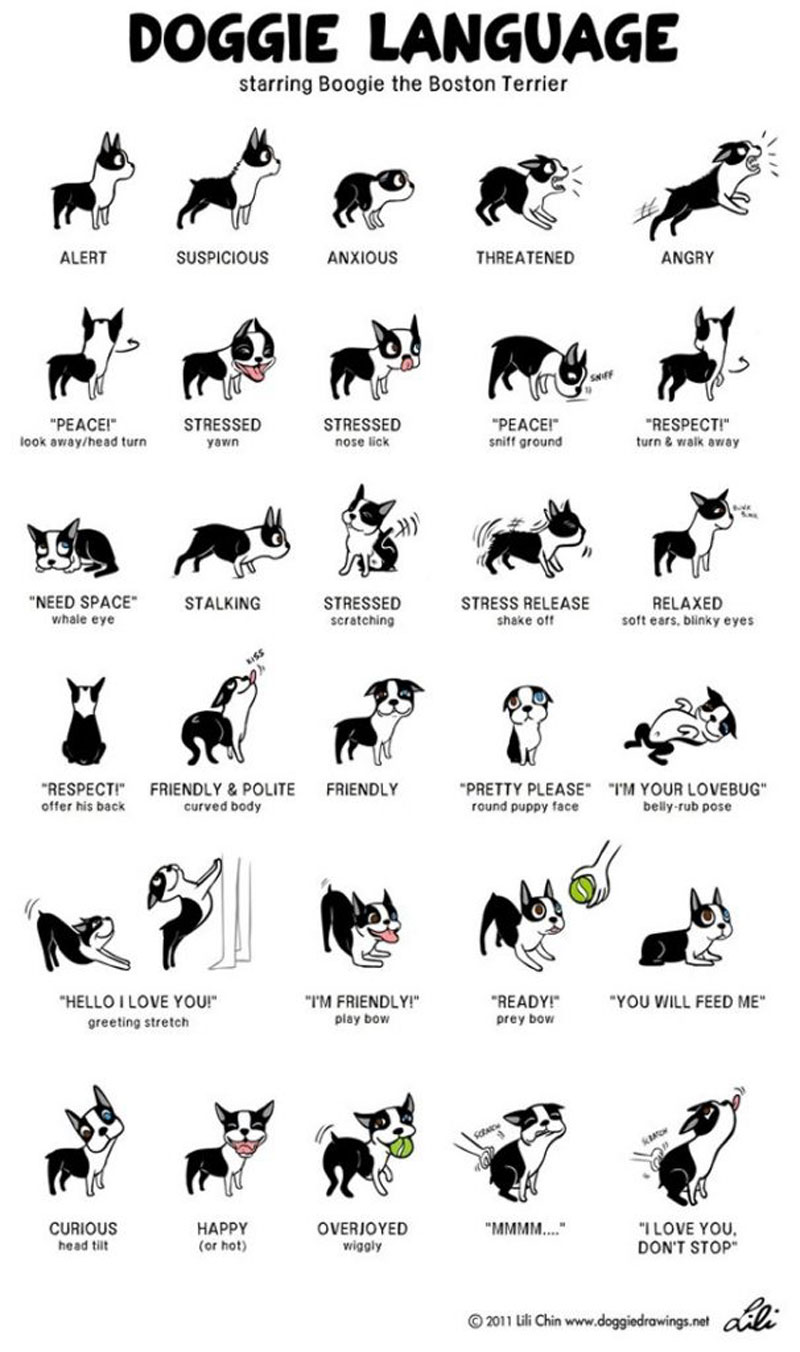
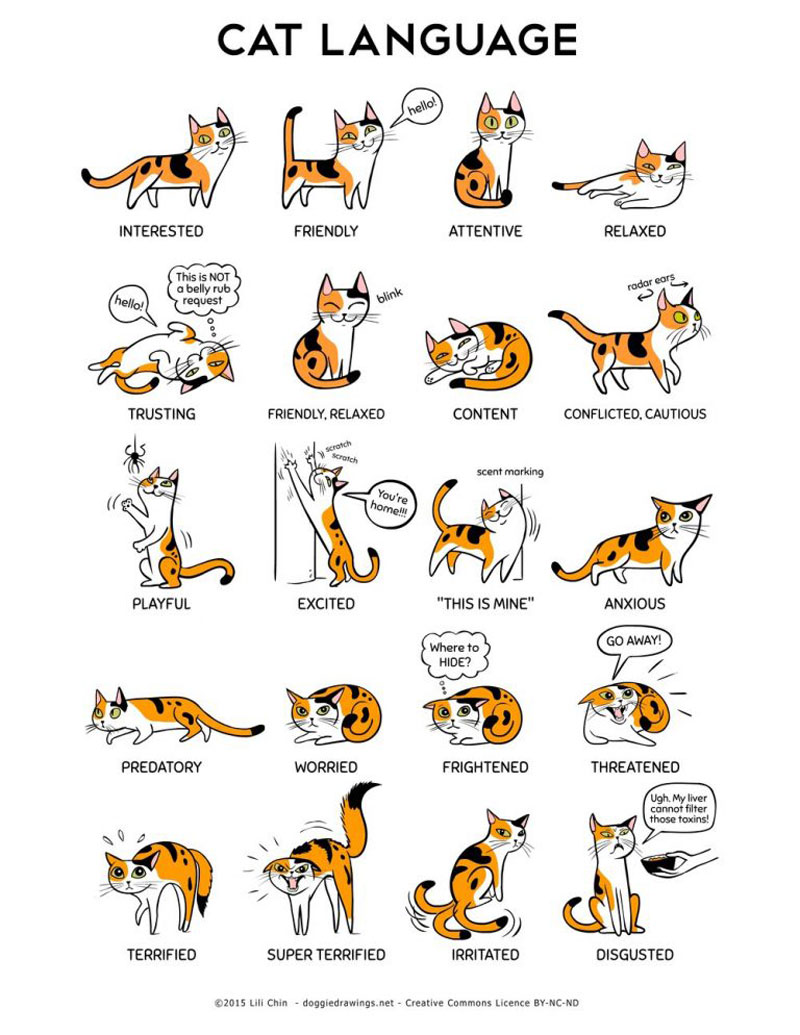
Our team is trained to recognize stress indicators in pets and to take appropriate actions to minimize their distress. We've included a useful reference to help you discern your pet’s different moods.