2955C South Glebe Rd.
Arlington, VA 22206
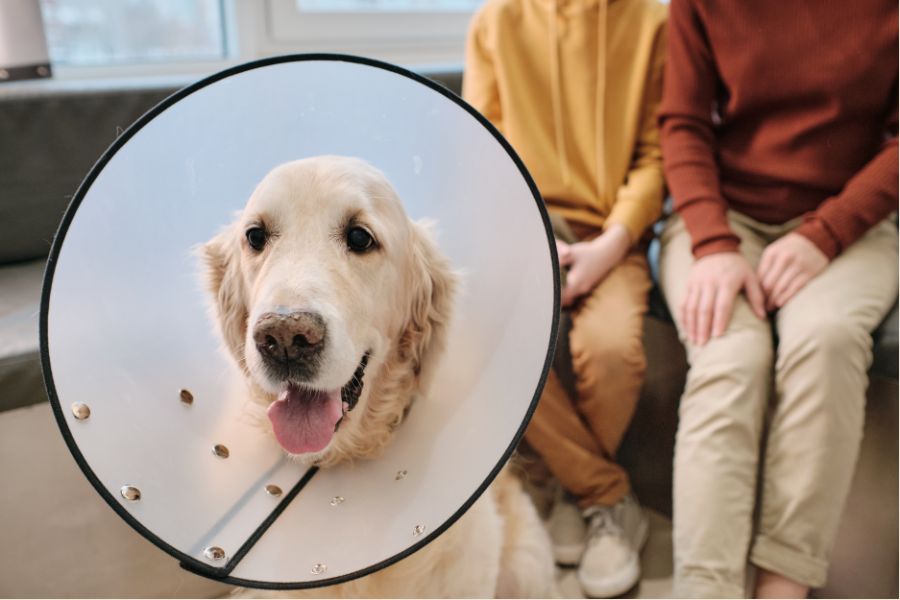
Hearing that your pet needs surgery can feel overwhelming. Whether it’s a routine spay or neuter procedure or a more advanced soft tissue operation, it’s natural to have questions. Is the procedure safe? How long will recovery take? Will my pet be comfortable afterward?
At Caring Hands Animal Hospital – Arlington, we understand that surgery isn’t just about treating a medical condition—it’s about helping both pets and their families feel confident throughout the entire process. Our team believes in providing clear communication, advanced surgical care, and individualized treatment plans so you know exactly what to expect before, during, and after your pet’s procedure.
If you’re looking for experienced veterinarians in Arlington, understanding the surgical process can help you make informed decisions about your pet’s health.
Understanding Pet Surgery
Pet surgery covers a wide range of procedures, from preventive operations like spaying and neutering to treatments that address injuries, illnesses, or unexpected emergencies. While every procedure is different, the goals remain the same:
- Improve your pet’s quality of life
- Relieve pain or discomfort
- Prevent future health complications
- Help your pet return to normal activities as safely and quickly as possible
Before recommending surgery, our team performs a thorough physical examination and discusses all available treatment options. Whenever a non-surgical solution is appropriate, we’ll explain those alternatives so you can make the best decision for your pet.
Surgical Procedures We Commonly Perform
Our modern surgical suite is equipped to perform many routine and advanced soft tissue procedures for both dogs and cats.
Some of the most common surgeries include:
- Spay and neuter procedures
- Mass and lump removals
- Soft tissue surgery
- Foreign body removal
- Bladder stone surgery
- Wound repair and laceration treatment
- Dental extractions are performed under general anesthesia
Certain orthopedic procedures may require advanced equipment or specialized expertise. When necessary, we coordinate referrals with trusted local specialists while remaining involved in your pet’s overall care and recovery.
Prioritizing Safety Before Every Procedure
One of the biggest concerns pet owners have is anesthesia safety. Fortunately, advances in modern medicine have made anesthesia much safer than it was years ago, especially when paired with careful monitoring and individualized planning.
Before surgery, every patient undergoes a comprehensive evaluation that may include:
- A complete physical examination
- Pre-anesthetic bloodwork
- Review of current medications
- Assessment of age, breed, and medical history
This information allows us to develop an anesthesia plan specifically tailored to your pet’s needs rather than using a one-size-fits-all approach.
Throughout surgery, trained medical professionals continuously monitor:
- Heart rate
- Blood pressure
- Oxygen saturation
- Body temperature
- Respiratory function
Constant monitoring allows our team to respond immediately to any changes while keeping your pet as safe and comfortable as possible.
A Calm, Comfortable Recovery
The recovery period begins long before your pet comes home.
After surgery, patients recover in a dedicated, closely supervised area where they are monitored as anesthesia wears off. Pain management begins before your pet wakes up and continues after discharge when appropriate.
Our goal is to make recovery as smooth and stress-free as possible while ensuring your pet is comfortable every step of the way.
Before going home, we’ll review:
- Pain medication instructions
- Feeding recommendations
- Incision care
- Activity restrictions
- Follow-up appointments
- Warning signs that require veterinary attention
You’ll also receive written discharge instructions so you don’t have to remember every detail discussed during pickup.
Recovery at Home
Most routine surgeries, including spay and neuter procedures, require approximately 10 to 14 days of restricted activity. While that may sound simple, it can be challenging for energetic dogs or curious cats.
During recovery, your pet may need to:
- Avoid running or jumping
- Wear an Elizabethan collar or recovery suit
- Take prescribed medications as directed
- Attend scheduled recheck appointments
- Rest in a quiet, comfortable environment
Keeping activity limited gives the incision time to heal properly and reduces the risk of complications.
If you ever notice excessive swelling, discharge, loss of appetite, persistent vomiting, or unusual lethargy, contacting your veterinary team promptly can help address concerns before they become more serious.
Why Communication Makes a Difference
One aspect of our hospital that many pet owners appreciate is our commitment to transparency.
Rather than leaving you wondering what happens once your pet goes behind closed doors, we believe in explaining every step of the surgical process. From your initial consultation through recovery, our team takes time to answer questions, discuss expectations, and explain why a particular procedure is recommended.
Our open treatment areas and viewing windows into the surgical suite reflect that philosophy. We believe trust grows when pet owners understand the care their companions receive.
Every Pet Receives an Individualized Surgical Plan
No two pets are exactly alike.
A young Labrador puppy scheduled for a routine spay has very different needs than a senior cat undergoing mass removal or a dog requiring bladder stone surgery. Age, breed, medical history, body weight, and overall health all influence how surgery and anesthesia should be managed.
That’s why we customize every surgical plan to fit the individual patient. This personalized approach extends beyond the procedure itself and includes pain management, recovery recommendations, and follow-up care designed to support the best possible outcome.
When Is Surgery the Best Option?
Surgery is recommended only when the expected benefits outweigh the risks.
In many cases, an operation can prevent future health problems or significantly improve a pet’s comfort and quality of life. Common examples include:
- Spaying before the first heat cycle reduces the risk of certain reproductive diseases
- Neutering to help prevent reproductive disorders and unwanted litters
- Removing suspicious masses for diagnosis and treatment
- Treating bladder stones that cannot be managed medically
- Removing foreign objects that could otherwise become life-threatening
- Repairing injuries that affect mobility or daily function
Whenever multiple treatment options exist, we’ll discuss each one openly so you can make an informed decision without feeling pressured.
Choosing Compassionate Surgical Care
Entrusting your pet to someone else’s care is never easy, especially when surgery is involved. Choosing a hospital that emphasizes safety, communication, and individualized treatment can make the experience far less stressful for both you and your companion.
Our veterinary care in Arlington combines advanced surgical techniques with compassionate care before, during, and after every procedure. Whether your pet needs a routine spay or neuter, soft tissue surgery, or another surgical service, we’re committed to helping them recover comfortably and return to the happy, active life they enjoy.
Schedule a Surgical Consultation Today
If your pet has been diagnosed with a condition that may require surgery or you’re planning a routine spay or neuter procedure, we’re here to help. Our experienced team will answer your questions, explain every step of the process, and create a treatment plan tailored to your pet’s unique needs.
Contact Caring Hands Animal Hospital – Arlington today to schedule a surgical consultation and learn how our compassionate, modern approach to pet surgery can help keep your dog or cat healthy for years to come.