825-H Rockville Pike Rockville, MD 20852


Adapting to Changing Needs
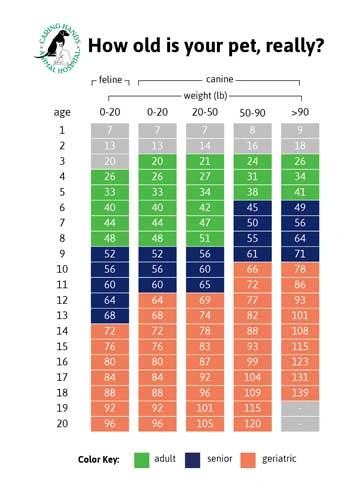
Dogs and cats are typically considered seniors around the age of seven. As pets age, they may develop new habits or show subtle signs of discomfort. While some changes can be attributed to aging, others may indicate underlying health issues.
Have you noticed your pet slowing down on walks? Struggling to rise after a nap or navigate stairs? Experiencing unexpected weight changes? Drinking or urinating more frequently? These signs could point to a medical condition that requires attention. Detecting health problems early increases the chances of successful treatment and a better quality of life for your pet.
Click here to see how old your pet is in human years!
Comprehensive Senior Pet Wellness Exam
It is crucial to schedule regular veterinary check-ups for your elderly pet to ensure they stay healthy. As dogs and cats age, these health examinations become even more important. Both the AAHA and AVMA advise that senior pets should visit the veterinarian every six months for a thorough exam and lab tests. To stay on top of your senior pet's health, bi-annual exams are essential.