
5659 Stone Road Centreville, VA 20120
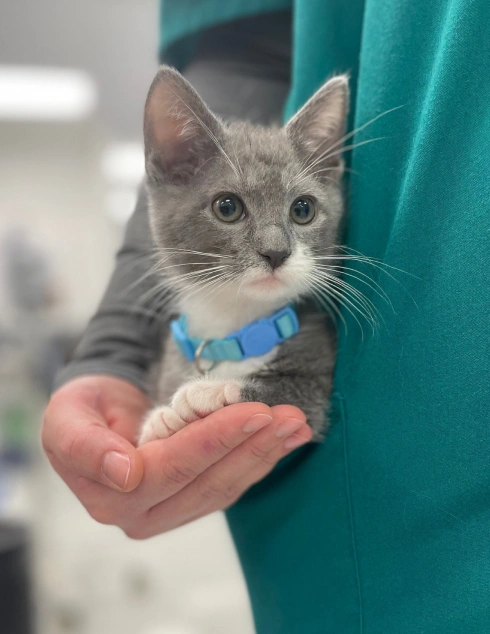

Gentle Beginnings Shape a Kitten’s Lifelong Health
Early months in a kitten’s life influence physical development, immune strength, and behavior. Thoughtful veterinary attention during this stage supports healthy growth and helps prevent common illnesses. Regular wellness visits allow veterinarians to track development, provide vaccinations, and guide families through nutrition, litter training, and socialization.
Growing kittens go through rapid changes, making routine health monitoring especially valuable. Veterinary kitten care service provides an opportunity to detect problems early and help pet owners understand everyday care needs. With the right guidance and preventive care, kittens develop into confident, healthy adult cats.
Helping Young Cats Thrive Through Preventive Care
At Caring Hands Animal Hospital, kitten visits focus on growth monitoring, preventive health care, and owner education. Veterinary teams work closely with families to support healthy development while addressing common questions about feeding, behavior, and safety.
Young cats require several visits during their first months of life. Each appointment provides an opportunity to observe development and update vaccinations as immunity builds. Preventive care allows potential concerns to be identified before they affect long-term health.
Typical kitten visits may include:
- Gentle physical examinations
- Growth and weight monitoring
- Vaccination updates based on age
- Parasite screening and prevention guidance
- Nutrition and feeding discussions
- Advice on behavior and socialization
Regular visits also help kittens become comfortable with veterinary care, reducing anxiety during future appointments.
Early Wellness Visits Track Growth and Development
Kittens grow rapidly during their first year. Veterinary visits help monitor physical development while supporting strong immune health.
During routine wellness visits, veterinarians carefully observe several areas of health and development. Observations enable early detection of potential concerns and help families understand their kitten's progress.
Common areas evaluated include:
- Body weight and overall growth
- Eye and ear health
- Heart and respiratory function
- Skin and coat condition
- Teeth development
Routine visits also allow time to discuss litter box habits, scratching behavior, and social interaction with people or other pets. Early guidance encourages healthy routines and positive behaviors.
Vaccinations Protect Kittens From Serious Diseases
Vaccinations play an important role in protecting young cats from contagious illnesses. Kittens begin receiving vaccines early since their immune systems are still developing.
A vaccination schedule may protect cats against several common diseases. Timely protection helps kittens build strong immunity during their most vulnerable months.
Common vaccinations for kittens may include protection against:
- Feline viral rhinotracheitis
- Calicivirus infections
- Panleukopenia virus
- Rabies, which may be required by law
Vaccination timing depends on age, lifestyle, and potential exposure risks. Indoor cats may still require protection since viruses can sometimes enter the home through clothing or contact with other animals. Families seeking kitten care in Centreville often begin vaccinations with our vets soon after bringing their kitten home.
Nutrition Habits That Support Healthy Kitten Growth
Balanced nutrition supports energy, bone development, and immune strength. Young cats require diets specifically designed for kittens that provide the nutrients needed for growth.
Veterinary guidance helps owners understand feeding routines and portion control during early development.
Helpful feeding practices often include:
- Offering kitten-specific food designed for growth
- Providing small meals several times daily
- Avoiding excessive treats or table scraps
- Ensuring access to fresh drinking water
Some kittens may benefit from wet food in addition to dry diets. Balanced nutrition supports steady growth and helps kittens maintain a healthy weight.
Parasite Prevention for Curious Young Cats
Kittens naturally explore their surroundings, which can expose them to parasites. Preventive care helps protect them from infections that may affect their digestion or overall health.
Veterinarians often recommend screening and prevention for several common parasites.
Examples include:
- Fleas that cause itching and skin irritation
- Intestinal parasites that affect digestion
- Ear mites that cause discomfort
- Heartworm prevention when appropriate
Routine parasite prevention helps maintain a kitten’s comfort while reducing health risks for pets and people within the household.
Safe Play and Mental Enrichment for Kittens
Play supports both physical activity and mental development. Active play encourages coordination while helping kittens release energy in healthy ways.
Healthy play routines may include:
- Interactive toys that encourage chasing and pouncing
- Scratching posts for natural claw behavior
- Puzzle toys that stimulate curiosity
- Gentle social play with family members
Playtime also strengthens the bond between kittens and their owners. Regular enrichment helps reduce boredom and unwanted behaviors.
Creating a Safe Home Environment for Kittens
Curious kittens explore their environment by climbing, chewing, and investigating unfamiliar objects. Safe living spaces protect them from injury while encouraging healthy exploration.
Simple home safety measures help prevent accidents.
Important precautions may include:
- Storing cleaning products and chemicals safely
- Securing electrical cords or small objects
- Removing toxic houseplants
- Providing stable climbing areas or cat trees
Windows should remain securely screened, as kittens may attempt to climb or jump toward outdoor sights. Safe environments allow kittens to explore while staying protected.
Travel Safety for Young Cats During Car Rides
Many kittens travel to veterinary visits or new homes during their early months. Safe transportation helps reduce stress and prevent injury.
Veterinarians often recommend using secure carriers for travel. Carriers help kittens stay calm and prevent sudden movement during driving.
Safe travel tips include:
- Using a well-ventilated cat carrier
- Securing the carrier in the vehicle
- Avoiding loose travel inside the car
Carriers also create a familiar space that kittens can associate with safety.
Lifestyle Information Helps Guide Preventive Care
Veterinarians often ask about a kitten’s living environment and lifestyle. Information about daily habits helps determine the most appropriate preventive care plan.
Factors that may influence care recommendations include:
- Indoor or outdoor living arrangements
- Interaction with other pets
- Activity levels and play habits
- Diet and feeding schedule
Kittens living in multi-pet homes or spending time outdoors may require additional preventive measures. Clear communication helps veterinarians tailor recommendations that support each kitten’s unique needs.
Preventive Care Supports Long-term Feline Wellness
Regular health visits, vaccinations, and parasite prevention play an important role in feline wellness. Early care reduces the risk of illness while supporting healthy development.
Veterinary guidance also helps families address behavioral habits such as scratching, litter box training, and socialization. Consistent care during early life often results in healthier adult cats.
Growing Toward a Healthy Life Together
Early veterinary kitten care service lays the groundwork for a kitten’s long-term well-being. Routine exams, vaccinations, and balanced nutrition support healthy development during critical growth stages. Guidance from Caring Hands Animal Hospital helps families navigate the responsibilities of raising a young cat while encouraging habits that support lifelong health and comfort.
Begin Your Kitten’s Healthy Journey Today
Welcoming a kitten into your home brings joy, curiosity, and new responsibilities. Regular veterinary visits allow families to stay informed about health, nutrition, and behavior as their kitten grows. Caring Hands Animal Hospital supports pet owners throughout the early stages of feline development, with kitten care in Centreville helping young cats grow into happy companions.