5659 Stone Road Centreville, VA 20120
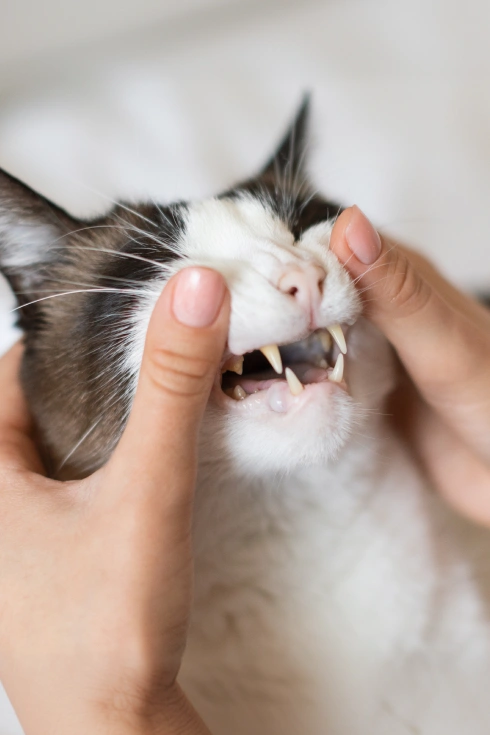

Protecting Your Cat’s Smile With Preventive Dentistry
Oral health plays an important role in your cat’s overall well-being. Comfortable teeth and healthy gums allow cats to chew their food, groom their fur, and remain active throughout the day. Dental problems often begin quietly and may remain unnoticed until discomfort develops.
Dental health also influences the rest of the body. Bacteria from oral infections may travel through the bloodstream and affect organs if left untreated. Early dental care protects both the mouth and overall wellness.
At Caring Hands Animal Hospital, dental services for cats focus on preventive care and maintaining long-term oral health. Our veterinarians carefully examine teeth and gums, taking into account each cat’s age, diet, and lifestyle. Pet owners in Centreville searching for veterinary dental care for cats often want attentive care that prioritizes comfort and gentle handling. Caring Hands Animal Hospital offers dental services designed to maintain healthy teeth while helping cats stay calm during their visit.
Signs Your Cat May Be Experiencing Dental Discomfort
Cats rarely show obvious signs of dental pain. Subtle behavioral changes often reveal oral problems.
Possible signs of dental concerns include:
- Strong or unpleasant breath
- Red or inflamed gums
- Visible tartar on teeth
- Difficulty chewing dry food
- Reduced appetite
- Drooling more than usual
- Pawing at the mouth
- Sudden changes in grooming habits
- Weight loss due to eating discomfort
Veterinary attention at the first signs of trouble can prevent more severe dental disease.
What a Cat Dental Appointment May Include
A professional dental appointment evaluates oral health and removes plaque that contributes to gum disease.
Dental care may involve:
- Full examination of teeth and gums
- Identifying plaque or tartar buildup
- Checking for loose or damaged teeth
- Professional dental cleaning
- Polishing teeth to slow future buildup
- Identifying hidden oral infections
- Advice on home dental care routines
Dental plans are customized according to each cat’s needs and health history.
Daily Care Habits That Support Feline Oral Health
Simple routines at home can make a significant difference in your cat’s dental health. Consistent care helps reduce plaque accumulation and supports healthier gums.
Helpful habits include:
- Brushing your cat’s teeth using pet-safe toothpaste
- Offering dental treats designed for cats
- Providing toys that encourage gentle chewing
- Feeding a balanced diet appropriate for dental health
- Scheduling regular veterinary dental visits
- Consistent habits help prevent dental problems from developing.
How Nutrition Influences Dental Wellness
Diet choices can influence plaque formation on teeth. Certain foods and chewing habits may help support oral hygiene.
Dental-friendly feeding habits may include:
- Dry kibble formulated for oral care
- Veterinary-approved dental treats
- Safe chew toys that encourage chewing activity
- Avoid extremely hard objects that may damage teeth.
Detecting Hidden Dental Disease With Modern Imaging
Many dental conditions develop beneath the gum line, where they cannot be seen during a standard visual exam. Tooth root damage or bone loss may remain hidden without imaging technology.
At Caring Hands Animal Hospital, advanced dental imaging enables our veterinarians to examine structures beneath the gum surface. Digital imaging provides detailed views of tooth roots and jawbone areas, helping us to improve cat dental care in Centreville.
Imaging helps detect concerns such as:
- Tooth root infections
- Bone loss surrounding teeth
- Hidden fractures
- Retained tooth fragments
- Impacted teeth
- Early stages of periodontal disease
Early identification allows veterinarians to recommend appropriate treatment and prevent future complications.
Dental Care for Cats at Every Life Stage
Veterinary dental care for cats should begin in kittenhood and continue throughout adulthood. Young cats develop baby teeth followed by adult teeth, and routine checks help monitor proper development.
Adult cats require regular dental monitoring to prevent plaque buildup. Older cats may develop gum recession or tooth loss. Continued dental care keeps senior cats comfortable and able to eat normally. Preventive care helps maintain oral health during every stage of life.
Common Dental Conditions in Cats
Several oral health issues commonly affect cats when dental care is neglected. Preventive care helps reduce the risk of these problems and protects your cat’s comfort.
Some of the most common conditions include:
- Plaque and tartar accumulation
- Gingivitis (inflamed gums)
- Periodontal disease
- Tooth resorption
- Broken or damaged teeth
- Oral infections
Advantages of Routine Dental Checkups
Routine dental exams help veterinarians detect problems early before they lead to serious discomfort.
Benefits of regular dental care include:
- Improved breath
- Healthier gums
- Better chewing ability
- Reduced risk of infections
- Increased comfort while eating
- Early detection of dental disease
- Cats often show improved appetite and behavior once oral discomfort is resolved.
Healthy Teeth Help Cats Feel Their Best
Healthy teeth allow cats to eat comfortably, groom properly, and maintain their natural energy. Regular dental visits help prevent plaque buildup, gum irritation, and infections that may impact overall health.
Caring Hands Animal Hospital offers dental care focused on protecting oral health and keeping cats comfortable during every visit.
Give Your Cat’s Teeth the Attention Needed
Healthy teeth support a cat’s ability to eat, groom, and stay active. Routine dental examinations help identify plaque buildup and gum irritation early, before they become serious concerns.
Contact us today for cat dental care in Centreville to keep your cat's teeth healthy and ensure comfortable eating habits. Don't wait to protect your pet from painful infections and long-term dental issues.