Pet owners want honest communication, professionalism, and confidence during every clinic visit. Open treatment areas support these expectations by creating a more transparent experience for pets and families. Instead of keeping treatment spaces hidden behind closed doors, many clinics now use open layouts with connected exam rooms.
These spaces encourage communication, reduce stress, and help owners feel included in the treatment process. Pets also benefit from calmer surroundings and shorter periods of separation from familiar people. This article explains how open treatment areas work, why they are becoming more popular, and how transparency is changing modern pet healthcare.
What Are Open Treatment Areas?
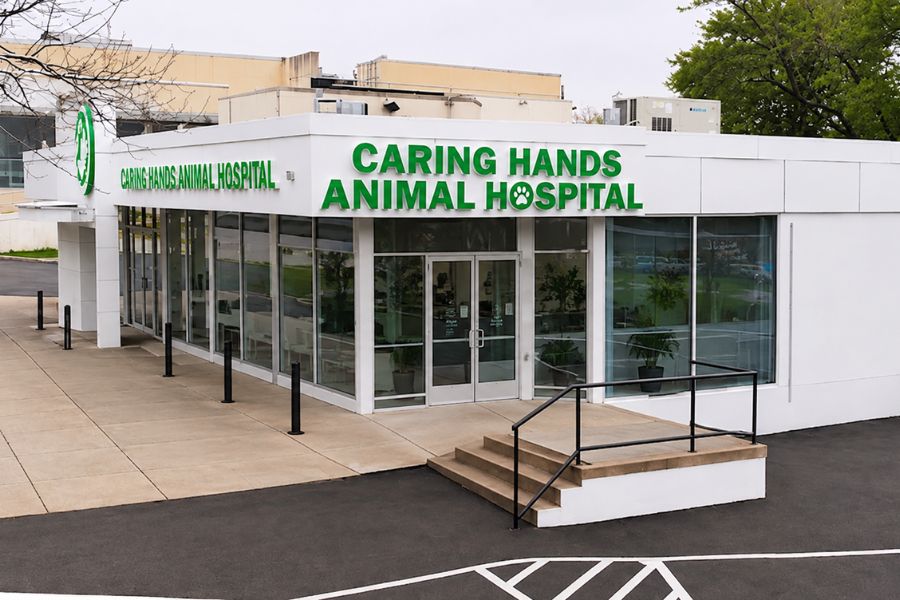
Open treatment areas are clinic spaces designed to improve visibility and communication during appointments. These layouts may include glass walls, connected examination spaces, or treatment stations visible from waiting or exam rooms. The goal is to create a welcoming environment where pet owners feel informed and involved during each important stage of treatment.
Staff members still follow strict medical, sanitation, and safety standards. The difference is that the care process feels more open and approachable. Many clinics use these layouts to strengthen trust.
Why Traditional Layouts Create Anxiety
Traditional clinics often move pets into private treatment rooms while owners wait separately. Limited communication during this process can increase stress for families. Some owners feel uncertain when they cannot see how their pets are being handled or monitored.
Open treatment areas reduce this uncertainty. Families receive clearer updates, and pets spend less time away from familiar faces.
How Transparency Improves Clinic Visits
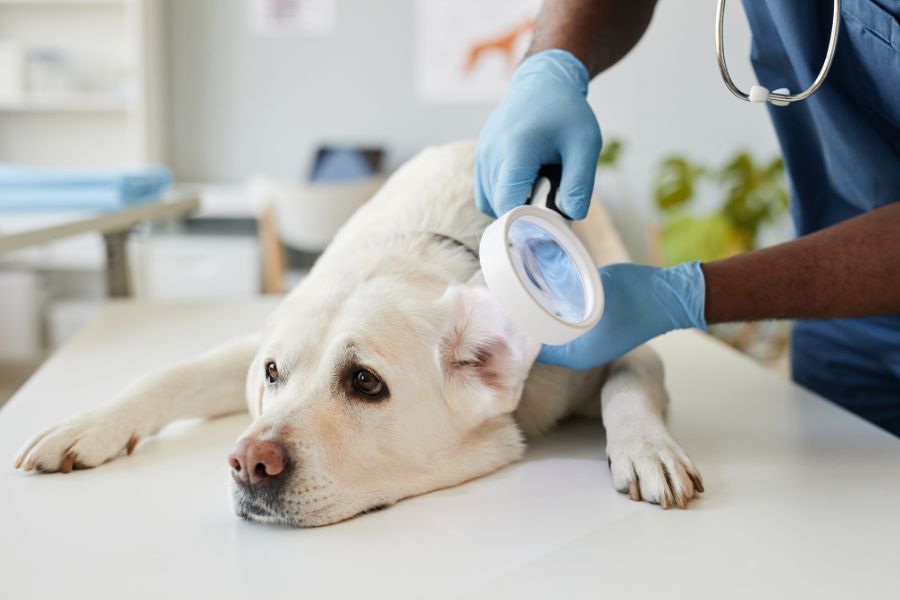
Transparency changes how owners experience appointments. People feel more comfortable when they understand what is happening during examinations and treatments. Staff members can explain procedures clearly while answering questions in real time.
This approach also creates educational opportunities. Owners can learn about preventive services, handling techniques, and wellness recommendations. Clear explanations often help families make more confident decisions about their pets.
Better Communication Creates Trust
Trust grows when communication feels open and direct. Open treatment areas encourage natural conversations between staff and families. Questions are addressed quickly, and treatment plans become easier to understand.
Many clinics notice stronger client relationships after adopting transparent designs. Pet owners appreciate seeing compassion, organization, and professionalism. This connection encourages long term confidence in the clinic team.
Benefits for Pets
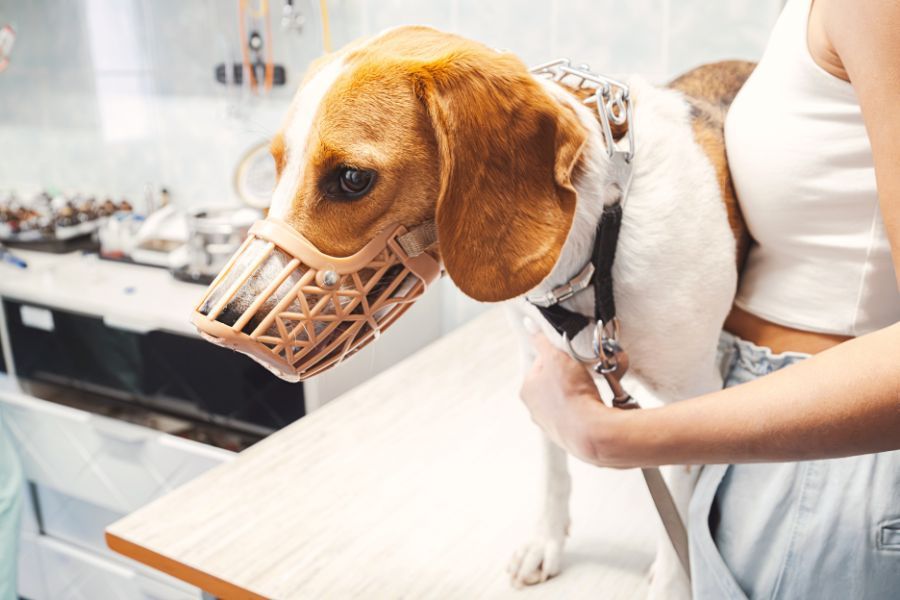
Pets respond to their surroundings during appointments. Loud noises, unfamiliar handling, and long separations can increase fear. Open treatment areas may help reduce stress by creating a calmer atmosphere with greater owner involvement.
Lower stress levels can support smoother examinations and safer handling. Many pets appear more relaxed when they maintain visual contact with familiar people.
A More Comfortable Experience for Families
Families are emotionally connected to every stage of their pet’s health journey. Transparent clinic layouts acknowledge this connection instead of limiting communication. Owners often feel reassured when they can observe organized workspaces and attentive staff interactions.
People searching for a veterinarian near you often value trust, communication, and compassion before choosing a clinic. Open treatment areas help clinics stand out because they reflect accountability and care.
Modern Design and Technology
Modern clinics combine thoughtful design with updated technology to support transparency. Digital records, visible monitoring equipment, and educational displays improve communication during visits.
Many clinics now focus on creating experiences that feel supportive instead of intimidating. Open spaces encourage stronger relationships and help families feel respected throughout the appointment process.
Conclusion
Open treatment areas represent a meaningful shift toward transparency and stronger client relationships in modern pet healthcare. These spaces improve communication, reduce stress, and create a more welcoming experience for pets and families.
Clinics that embrace openness often build trust while helping owners feel informed throughout every appointment. If you are located in Centreville and looking for a trusted veterinarian near you, then feel free to contact us for compassionate support and personalized veterinary care for your beloved pet.
Frequently Asked Questions(FAQs):
1. Are open treatment areas safe for pets?
A: Yes. Clinics using open treatment areas still follow strict sanitation, safety, and medical standards. Staff members maintain controlled environments while improving communication and visibility for pet owners. The goal is to create transparency without reducing the quality or safety of patient care.
2. Do open layouts help reduce pet anxiety?
A: Many pets become stressed when separated from familiar people for long periods. Open layouts may reduce fear by allowing pets to remain closer to their owners during parts of the visit. Calmer environments often support smoother examinations and more comfortable handling experiences.
3. Can owners observe treatments or examinations?
A: Some clinics allow owners to observe routine procedures or examinations when appropriate. Observation policies depend on clinic guidelines, patient safety, and the type of treatment involved. Staff members explain what owners can safely watch while maintaining a calm and organized treatment environment.
4. Why do transparent clinics build stronger trust?
A: Transparent clinics encourage honest communication and visible professionalism. Pet owners feel more informed when they can see parts of the treatment process and speak directly with staff members. This openness often creates stronger confidence in the clinic team and its recommendations.
5. How do open treatment areas improve communication?
A: Open layouts support faster conversations between healthcare teams and families. Questions can be answered immediately, and treatment explanations become easier to understand. Better communication helps owners feel included in decisions involving their pets while supporting stronger long-term relationships with the clinic.
6. What makes transparent clinics different from traditional clinics?
A: Transparent clinics focus on visibility, communication, and owner involvement throughout appointments. Traditional layouts often separate pets from families for longer periods with limited updates. Open treatment areas create a more welcoming experience that helps owners feel connected, informed, and reassured during visits.