Healthy teeth and gums play a major role in a pet’s comfort, appetite, and long-term wellness. Many dogs and cats hide oral pain, which allows small dental problems to grow into larger health concerns. This guide explains why routine dental care matters, what warning signs owners should notice, and how simple habits at home support professional care.
Readers will learn practical steps for protecting their companion’s smile, reducing bad breath, and preventing infections that can affect internal organs. The goal is simple: help families understand how daily care, routine exams, and early attention keep pets active and happy for years.
When owners pay attention to pet dental health, they protect far more than teeth. Pet owners searching for helpful guidance in Centreville will also find practical insights in this article.
Why Dental Care Matters for Pets
Dogs and cats rely on their mouths for eating, playing, grooming, and exploring their environment. Healthy teeth allow them to chew comfortably and maintain proper nutrition. Poor dental hygiene can lead to plaque buildup, gum irritation, loose teeth, and painful infections.
Many owners believe bad breath is normal in pets. In reality, a strong odor often signals bacterial buildup along the gum line. If ignored, bacteria may travel through the bloodstream and affect organs such as the heart or kidneys. A pet that once enjoyed chewing toys or treats may begin avoiding them because of mouth discomfort.
Regular dental care protects pets from these problems. Routine exams allow professionals to check the mouth, identify early plaque, and address concerns before they develop into painful disease.
Common Signs of Dental Problems
1. Changes in Breath and Eating Habits
Bad breath remains one of the earliest indicators of dental trouble. A dog or cat that suddenly develops a strong odor from the mouth may have plaque or gum irritation. Pets with oral pain may also chew on one side, drop food, or eat slowly.
2. Visible Changes in Teeth and Gums
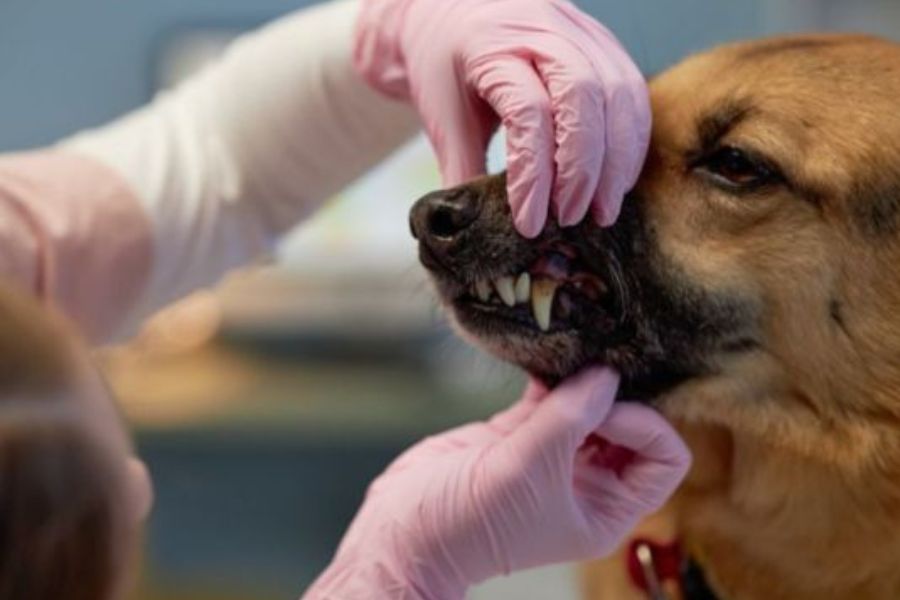
Pet owners sometimes notice yellow or brown buildup along the teeth. Red or swollen gums can also appear during the early stages of gum disease. Loose teeth, drooling, or pawing at the mouth may indicate advanced problems that need prompt attention.
3. Behavior and Mood Changes
Pain affects behavior. A normally playful dog may become quiet. A friendly cat may avoid interaction or resist face touching. Subtle changes like these can reveal discomfort long before a pet shows obvious symptoms.
Daily Habits That Support Oral Health
Consistent home care plays a strong role in preventing dental disease. Small daily actions can make a large difference in long-term oral health.
1. Brushing Your Pet’s Teeth
Brushing remains the most effective way to remove plaque before it hardens. Pet-safe toothbrushes and toothpaste are designed to be gentle and appealing to animals. Starting slowly helps pets become comfortable with the routine.
A short brushing session several times a week reduces buildup and keeps gums healthier. Many pets learn to accept the process once it becomes part of their routine.
2. Dental Chews and Toys
Specially designed dental chews help reduce plaque through gentle abrasion during chewing. Rubber toys with textured surfaces also support gum stimulation and plaque removal. Choosing safe products designed for pets helps prevent damage to teeth.
3. Healthy Diet Choices
Nutrition affects oral health. Balanced pet diets support strong teeth and healthy gums. Some dental-focused foods are designed to reduce plaque as pets chew. Clean drinking water also helps rinse the mouth throughout the day.
Professional Dental Care
Home care alone cannot remove hardened tartar that develops over time. Professional dental evaluations allow trained teams to examine the mouth closely and clean areas that brushing cannot reach.
During a dental visit, professionals may assess the teeth, gums, and surrounding tissues. They look for signs of infection, damage, or hidden disease. Cleaning procedures remove plaque and tartar while polishing the teeth to slow future buildup.
Many pet owners delay dental visits because their pet seems comfortable. Dental disease often progresses silently. Regular checkups protect pets from pain that might otherwise remain unnoticed for months.
Pet owners interested in learning about preventive care, wellness services, and other treatment options can explore the full range of offerings directly through the clinic’s website. This allows families to better understand how comprehensive care supports their pet’s overall health.
The Long-Term Benefits of Preventive Dental Care
Preventive dental care improves quality of life. Pets with healthy mouths enjoy food, toys, and interaction without discomfort. Clean teeth also help prevent infections that may spread to other parts of the body.
Routine care also reduces unexpected health expenses. Addressing plaque early often prevents the need for complex procedures later. Owners gain peace of mind knowing their pets remain comfortable and healthy.
Another benefit involves longevity. Pets receiving consistent dental care often maintain better overall health as they age. Simple habits at home, combined with routine professional exams, create a strong defense against dental disease.
When owners stay consistent with care routines and professional checkups, they build a solid foundation for lifelong pet dental health.
Conclusion
Dental care plays an essential role in a pet’s comfort and long-term health. Clean teeth support proper eating, reduce infection risks, and improve quality of life. Consistent home care and professional dental evaluations create strong protection against disease.
We are conveniently located in Centreville, VA, and welcome you to our facility at 5659 Stone Rd, Centreville, VA 20120—where compassionate care and community come together for your pet’s well-being. Schedule an appointment with Caring Hands Animal Hospital- Centreville. Apart from our business location, we proudly serve families and pets throughout Chantilly, Fairfax, South Riding, Manassas, Herndon, Clifton, and Aldie. 🐾
Frequently Asked Questions(FAQs):
1. How often should my dog or cat have a dental checkup?
A: Most pets benefit from a dental evaluation once a year. Some pets with existing dental concerns may require more frequent visits. Regular exams help identify plaque buildup, gum irritation, or hidden problems before they develop into serious health issues.
2. Is bad breath normal in dogs and cats?
A: Persistent bad breath usually signals bacteria or plaque buildup rather than normal odor. Healthy pets should not have a strong mouth odor. A dental exam can help determine whether plaque, gum irritation, or infection is causing the smell.
3. Can I brush my pet’s teeth at home?
A: Yes. Many pets tolerate brushing when introduced gradually. Using pet-specific toothbrushes and toothpaste helps keep the process safe and comfortable. Even brushing a few times each week can reduce plaque buildup and support better oral health.
4. Are dental chews safe for pets?
A: Dental chews designed for pets are generally safe when used correctly. Choosing products recommended for your pet’s size and chewing strength reduces risk. These chews help reduce plaque while also providing enrichment and entertainment.
5. What happens if dental disease goes untreated?
A: Untreated dental disease can cause painful gums, loose teeth, and infections. Bacteria may spread through the bloodstream and affect organs. Early care helps prevent discomfort and protects long-term health.
6. When should I schedule a dental visit for my pet?
A: Schedule a dental evaluation if you notice bad breath, swollen gums, drooling, or changes in eating habits. Early assessment helps address concerns quickly and prevents more serious dental problems from developing.