8100B Arlington Boulevard
Falls Church, VA 22042
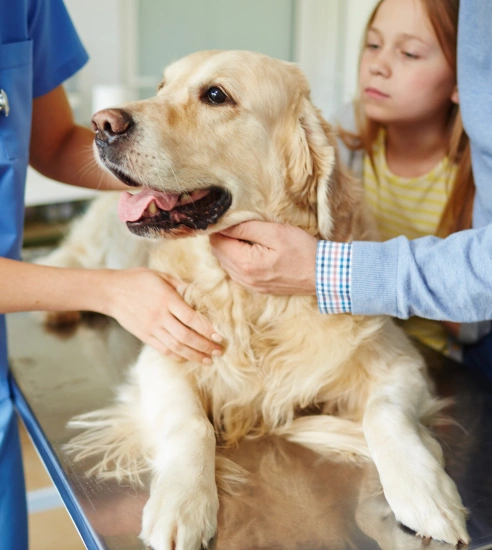
Dedicated Pain Management for Your Pet's Optimal Well-Being
If you've noticed any of these changes in your pet, they might be experiencing pain. Please schedule an appointment with one of our veterinarians to discuss our pain management options.
- Unusual behavior patterns
- Altered eating or drinking habits
- Decreased or excessive grooming
- Changes in posture or movement
Service Availability Across Caring Hands Animal Hospital Locations
At select locations, Caring Hands provides specialized treatments like advanced pain management, physical therapies, and holistic care to enhance your pet's comfort and mobility. These services promote healing and improve your pet's overall well-being.
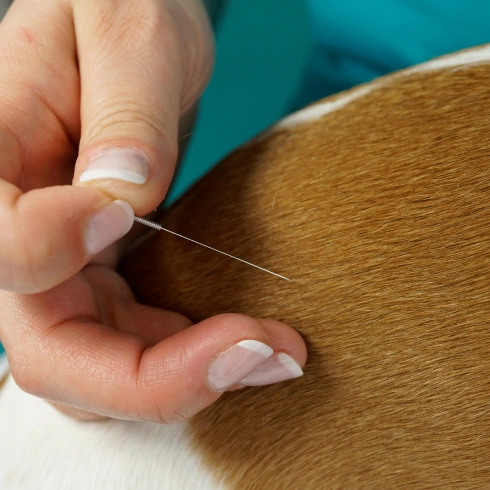
Acupuncture
Originating from ancient Chinese medicine, acupuncture involves inserting thin needles into specific points to trigger natural healing in pets. This method enhances blood flow and releases endorphins, offering relief for a wide range of pets. Effective for conditions like respiratory problems and joint pain, acupuncture balances energy (Qi) to aid recovery. It's a versatile, non-invasive, and drug-free option, especially suitable for pets with medication sensitivities.
Laser Therapy
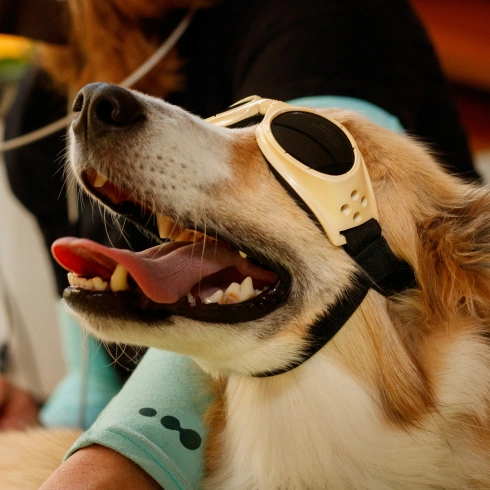
Laser therapy promotes healing and pain relief by boosting endorphin release, reducing inflammation, and improving cellular function. This leads to faster recovery, fewer post-surgical complications, and enhanced comfort for your pet. Effective for conditions like arthritis, hip dysplasia, and infections, laser therapy is a safe, non-invasive, drug-free treatment that requires no sedation or hair clipping. It can be used alongside other therapies, helping your pet regain mobility and enjoy a better quality of life.
Cold Laser Therapy
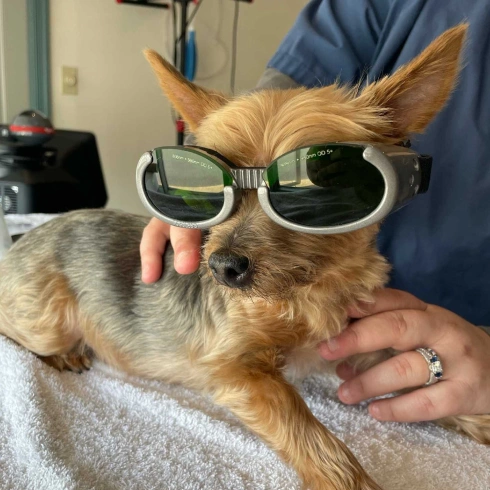
Cold laser therapy, also known as veterinary photobiomodulation (VPBM), employs low-level lasers or LEDs to stimulate cellular function and accelerate healing in pets. This non-invasive and heat-free treatment, safe and painless for your furry friends, has been adapted from human medicine and is increasingly used in veterinary practice. It addresses a range of conditions, from musculoskeletal injuries and skin issues to chronic pain, while also reducing inflammation and improving nerve function. Operating the device requires protective eyewear.
Cryotherapy
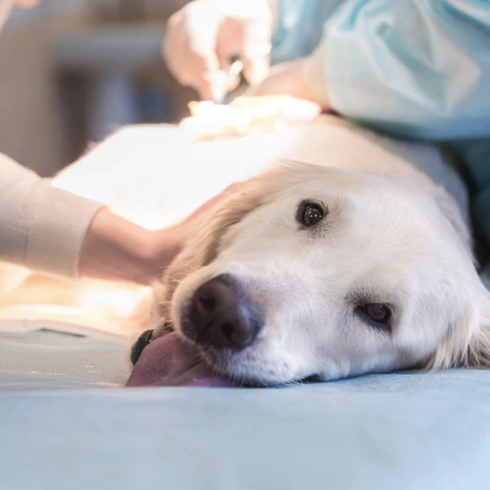
Veterinary cryotherapy, or cold therapy, employs very low temperatures to address a range of pet health issues. This treatment may involve ice packs, cold compresses, or specialized equipment that delivers precise cold to targeted areas. The aim is to decrease inflammation, alleviate discomfort, and encourage tissue repair. It is frequently applied following recent injuries, three days after surgery, after physical activity, before cold laser therapy, and when dealing with acute inflammation, pain, or muscle spasms.
Heat Therapy
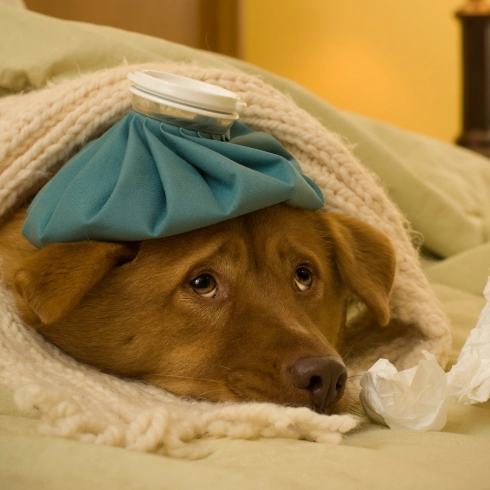
To alleviate pain and aid recovery in pets, veterinary heat therapy applies warmth to targeted areas. This can be achieved through techniques like hot water bottles, heating pads, heat lamps, or warm compresses. The heat works by penetrating deep into tissues, enhancing blood circulation, and relaxing muscles, which helps to lessen both pain and inflammation. It's often used for ongoing injuries, three days after surgery, joint stiffness or arthritis, general pain, muscle spasms, before passive range-of-motion exercises, and for relaxation purposes.
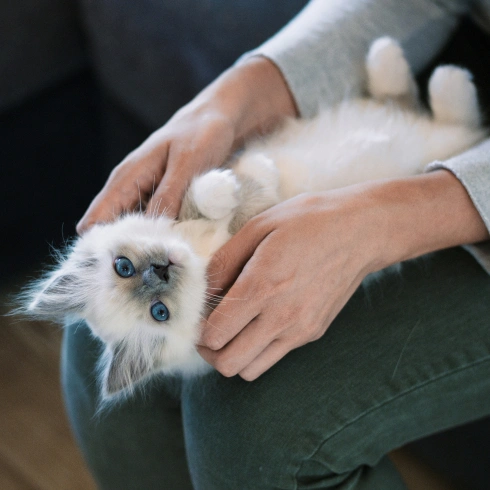
Massage
Various massage techniques are used in veterinary care, with common methods including gentle stroking (effleurage, sometimes with a spoon), moderate kneading (petrissage), focused, cross-fiber movements (frictional), and intense, deep tissue work. These massages enhance blood circulation and lymphatic flow to targeted areas, manage pain, minimize scar tissue development, and alleviate muscle spasms.
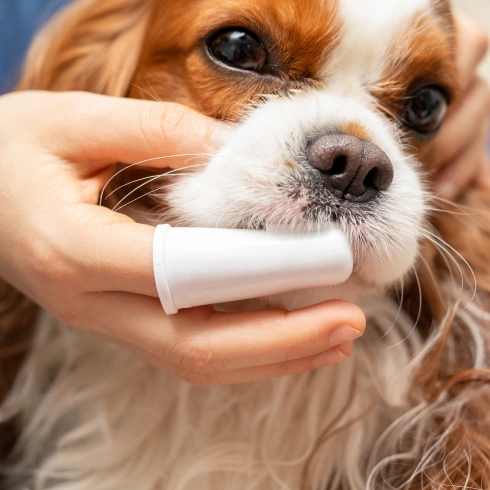
Fascial Therapy
Veterinary fascial therapy centers on the fascia, the connective tissue that supports the pet's musculoskeletal system. This specialized physical therapy uses gentle manipulation and stretching to improve flexibility, reduce pain, and facilitate recovery. It's often combined with other rehabilitative approaches, such as hydrotherapy and acupuncture.
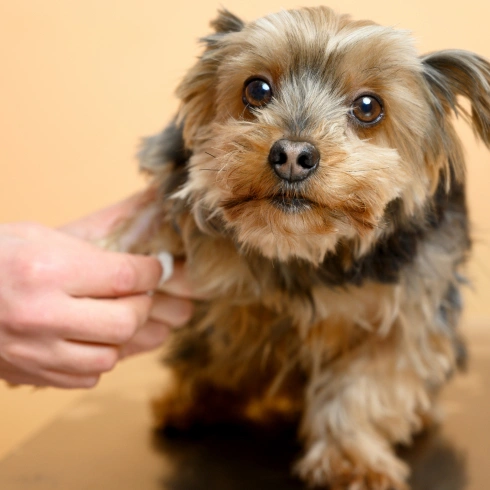
Trigger Point Therapy
Specialized muscle therapy, known as veterinary trigger point therapy, involves locating and addressing specific points of tension in pet muscles. A trained professional, either a veterinarian or pet therapist, uses manual pressure and massage to release muscle tightness. By focusing on these trigger points, they can effectively reduce pain and enhance your pet's movement.
Spinal Manipulation
Animal chiropractic, or veterinary spinal manipulation, is an alternative therapy that addresses the spine's alignment and movement in pets. Skilled practitioners use manual techniques to adjust the spine, joints, and soft tissues, aiming to enhance mobility and reduce pain. This approach is rooted in the idea that spinal health is crucial for overall well-being, and that misalignments can contribute to various health problems.
During a session, a certified animal chiropractor applies gentle pressure to specific spinal areas, realigning vertebrae and releasing muscle tension. This can improve nerve function, circulation, and general mobility.
Passive Range of Motion
Veterinary passive range of motion, or PROM, involves moving a pet's joints without their active participation. This technique, performed by veterinarians, technicians, or even pet owners, aims to enhance joint flexibility and prevent stiffness, similar to its use in human therapy. It's particularly beneficial for pets recovering from injuries or surgery, as well as older pets with restricted movement, by reducing inflammation and joint stiffness.
Stretching
Stretching exercises can be tailored to either decrease or increase muscle tension. The 'stretch and hold' method, where a position is maintained for a period, enhances flexibility and range of motion. Conversely, the 'stretch and release' approach, involving a gradual increase and then release of the stretch, also improves flexibility and mobility, while also reducing pain.
Exercise
Targeted exercise programs are designed to enhance your pet's posture, balance, strength, and movement (walking or trotting), while also minimizing the potential for future injuries.