4810 Wisconsin Ave. NW Washington, D.C.
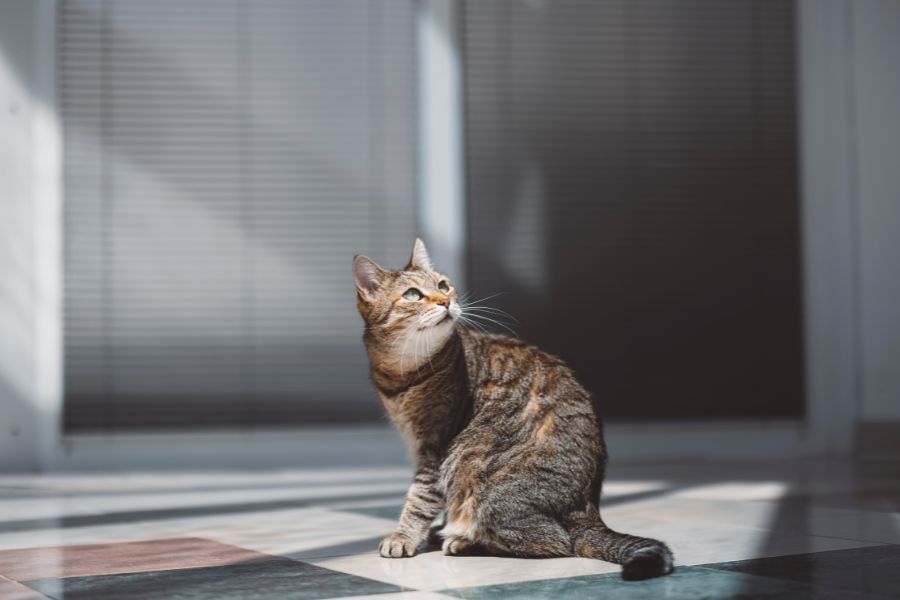
A cat that vomits once in a while is something most owners accept as part of life with a feline companion. But cat vomiting every day is a different story entirely. Daily vomiting is not normal, and it is not something to watch and wait on indefinitely. It tells you that something in your cat’s body is not working the way it should. The causes range from manageable dietary issues to serious conditions like kidney disease, hyperthyroidism, or intestinal cancer.
The challenge is that from the outside, a vomiting cat looks roughly the same whether the cause is minor or severe. Knowing the difference requires understanding what the pattern of vomiting means, what other signs should raise your concern, and at what point your cat needs professional evaluation rather than home monitoring. This guide gives you that framework clearly and directly.
Why Cats Vomit: Understanding the Full Picture
Vomiting in cats happens when the body forces stomach contents upward and out. It is a protective reflex, but it is not a normal daily occurrence for a healthy cat.
The most common reason owners ask why my cat is throwing up is dietary indiscretion or eating too fast. Cats that bolt their food regurgitate it almost immediately, often within a minute of eating. This type of vomiting looks different from true vomiting: the food comes up in a tube-like shape, barely digested, with almost no retching.
True vomiting involves visible abdominal effort and usually produces bile, foam, or partially digested food. A cat that vomits this way once every few weeks may simply have a sensitive stomach. A cat doing this every day has a pattern that needs investigation.
Cats also have a specific physiological vulnerability that makes daily vomiting more dangerous than it looks. When a cat stops absorbing nutrients properly, whether from chronic vomiting or the food avoidance that accompanies nausea, the liver begins mobilizing fat stores for energy. In cats, this process is inefficient and can cause hepatic lipidosis, a form of liver disease, to develop within days.
When Does Daily Cat Vomiting Become a Warning Sign?
Daily vomiting is already a warning sign. The question is how urgent the concern is based on what accompanies it.
Contact your veterinarian promptly if your cat is vomiting every day alongside any of the following:
- Weight loss despite eating normally: This combination strongly suggests a systemic condition like hyperthyroidism or intestinal lymphoma that is preventing nutrient absorption.
- Blood in the vomit: Bright red blood indicates active bleeding in the esophagus or stomach. Dark brown material resembling coffee grounds points to older blood from the upper gastrointestinal tract.
- Vomiting that occurs regardless of eating: A cat that vomits on an empty stomach, producing only bile or foam, has persistent nausea from an internal source, not just a reaction to food.
- Progressive increase in frequency: Vomiting that started once a week and has escalated to daily or multiple times daily is showing a worsening trend. That trajectory matters as much as the current frequency.
- Yellow or green bile in every episode: Bilious vomiting on a consistent basis reflects ongoing stomach irritation or a motility problem pushing bile backward from the small intestine.
If you notice any of these signs, contact your veterinarian promptly. Dr. Asia Campfield, DVM and feline medicine specialist at Caring Hands Animal Hospital, notes that cat owners frequently underestimate how long the vomiting has been happening. “By the time a cat comes in for daily vomiting,” she explains, “the pattern has often been building for several weeks. Earlier evaluation almost always leads to more treatment options.” When vomiting is paired with any of the signs above, seeking pet urgent care the same day is the appropriate response rather than waiting for a routine appointment.
Common Causes of Daily Vomiting in Cats
Understanding cat upset stomach causes helps you have a more productive conversation with your vet and understand why specific diagnostics are recommended.
Food-related causes are the most straightforward. Cats who eat too fast, who are fed a diet that doesn’t agree with their digestive system, or who have developed a sensitivity to a specific protein source will vomit regularly. Switching to a single-protein hydrolyzed diet under veterinary guidance often resolves vomiting in food-sensitive cats.
Hairballs are a common cause of periodic vomiting in medium and long-haired cats. When hairball-related vomiting becomes daily, it often indicates a motility problem rather than just excess hair intake. The hair accumulates because the gut is moving too slowly to pass it through.
Inflammatory bowel disease (IBD) is one of the most common causes of chronic daily vomiting in cats. IBD involves persistent inflammation of the gastrointestinal tract lining that disrupts normal digestion. It is most common in middle-aged to older cats and often causes gradual weight loss alongside the vomiting.
Hyperthyroidism is extremely common in cats over eight years old. The excess thyroid hormone increases gut motility, causing food to move through the stomach too quickly. Hyperthyroid cats often vomit despite having a ravenous appetite and continue losing weight.
Intestinal lymphoma is the most common gastrointestinal tumor in cats and frequently mimics IBD in presentation. Distinguishing between the two requires intestinal biopsies. In Tenleytown, D.C., where many households include indoor-only adult cats with long lifespans, these chronic vomiting conditions in senior cats are among the most common presentations we see in feline medicine.
Kidney disease causes uremic toxins to build up in the bloodstream when the kidneys cannot filter them effectively. Nausea and daily vomiting are early signs of declining kidney function, often appearing before a cat shows obvious lethargy or reduced appetite.
How Vets Diagnose the Cause of Daily Cat Vomiting
When a cat vomiting every day is brought in, the diagnostic process is structured to identify the underlying cause rather than just treat the symptom.
Your vet will begin with a complete physical examination. This includes palpating the abdomen for organ size, intestinal wall thickness, and any masses. In cats with IBD or lymphoma, the intestines can sometimes be felt as a firm, rope-like structure during this exam.
Blood work is almost always the next step. A complete blood count and comprehensive chemistry panel assess kidney and liver function, blood sugar, and systemic inflammation. A thyroid level test is added for any cat over six years old. These results frequently point directly toward the most likely cause.
Urinalysis adds an additional layer of kidney function data that blood work alone does not fully capture. X-rays screen for foreign bodies and gas patterns. Ultrasound gives a detailed view of the intestinal wall thickness and lymph node size and allows guided sampling of suspicious areas.
Treatment steps depend on the diagnosis:
- Food-sensitive vomiting is addressed with dietary elimination trials.
- IBD is managed with corticosteroids and dietary modification.
- Hyperthyroidism is treated with oral medication, radioactive iodine therapy, or dietary iodine restriction.
- Kidney disease is managed with fluid support, dietary changes, and medications targeting specific complications.
- Intestinal lymphoma, depending on type, responds to chemotherapy protocols in many cases.
In our experience, cats that come in after only two to three weeks of daily vomiting have better diagnostic clarity and more treatment options than those seen after months of the same pattern.
How to Tell If Your Cat’s Vomiting Needs Same-Day Attention
Some cat vomiting warning signs mean your cat should be seen today without scheduling a standard appointment.
Seek same-day veterinary care if your cat is vomiting and any of the following are also true: your cat has not eaten in more than 24 hours, the vomit contains visible blood, your cat is lethargic and cannot rise normally, your cat is showing abdominal pain when touched, or the vomiting frequency has escalated dramatically in the last 24 to 48 hours.
Caring Hands Animal Hospital in Tenleytown provides same-day appointments for cats with concerning vomiting patterns. Our team includes Dr. Asia Campfield, whose focus on feline medicine and internal medicine means your cat receives specialized evaluation from a vet with deep expertise in exactly these conditions. Call us at (202) 921-2540 when your cat’s vomiting is worrying you. We are located at 4810 Wisconsin Ave. NW, Washington, D.C., and offer both walk-in urgent appointments and next-day scheduled visits. Our team will help you determine the right level of care based on exactly what you are seeing.
Supporting Your Cat Between Appointments
While you are awaiting your appointment or monitoring a cat with mild vomiting, a few practical steps can reduce discomfort and help your vet gather useful information.
Use a slow feeder bowl if your cat eats too fast. Divide daily food into three or four small portions rather than one or two large meals. Note the time of each vomiting episode, what the vomit contained, and whether it occurred before or after eating. This log takes less than a minute to maintain and significantly shortens the diagnostic conversation at the vet.
Avoid switching foods suddenly. Food changes should happen gradually over seven to ten days to avoid adding a dietary variable to an already irritated gastrointestinal tract.
Conclusion
Cat vomiting every day is a consistent signal that the body is struggling with something that warrants professional attention. Whether the cause is a food sensitivity, inflammatory bowel disease, hyperthyroidism, or early kidney changes, early evaluation leads to earlier treatment and better outcomes. Dr. Asia Campfield and our vet team at Caring Hands Animal Hospital in Tenleytown are experienced in finding the cause behind chronic feline vomiting and creating individualized care plans for each patient. Do not let a daily pattern of when cat vomiting is serious become a months-long wait. The sooner the cause is identified, the sooner your cat can feel better. Book an appointment today.
Frequently Asked Questions
Q: Is it normal for cats to vomit once a day?
Ans: No. Vomiting once a day is not a normal baseline for a healthy cat. A cat that vomits daily has a pattern that requires veterinary evaluation to identify the underlying cause and prevent nutritional deficiency or progressive organ damage.
Q: How do I tell the difference between vomiting and regurgitation in cats?
Ans: Vomiting involves visible abdominal heaving and produces bile, foam, or digested food. Regurgitation happens passively, usually within minutes of eating, and produces tubular, minimally digested food with no retching. Both warrant evaluation if they occur daily.
Q: Can stress cause a cat to vomit every day?
Ans: Stress can trigger vomiting episodes, but daily vomiting attributed entirely to stress is often a missed medical diagnosis. Stress-related vomiting usually correlates with specific events and resolves when the trigger passes. Persistent daily vomiting should always be evaluated medically before stress is accepted as the sole cause.
Q: Should I withhold food from a vomiting cat?
Ans: A brief fast of four to six hours can reduce stomach irritation, but cats should not be withheld food for extended periods. Cats are vulnerable to hepatic lipidosis when they go without food, even for 24 to 48 hours. Always consult your vet before implementing a longer fast.
Q: What does it mean if my cat vomits bile every morning?
Ans: Morning bile vomiting in cats often indicates that the stomach is empty overnight and gastric acid is causing irritation. It can also reflect a motility disorder. This is a consistent, addressable pattern that your vet can evaluate and treat rather than something to monitor indefinitely at home.