4810 Wisconsin Ave. NW Washington, D.C.
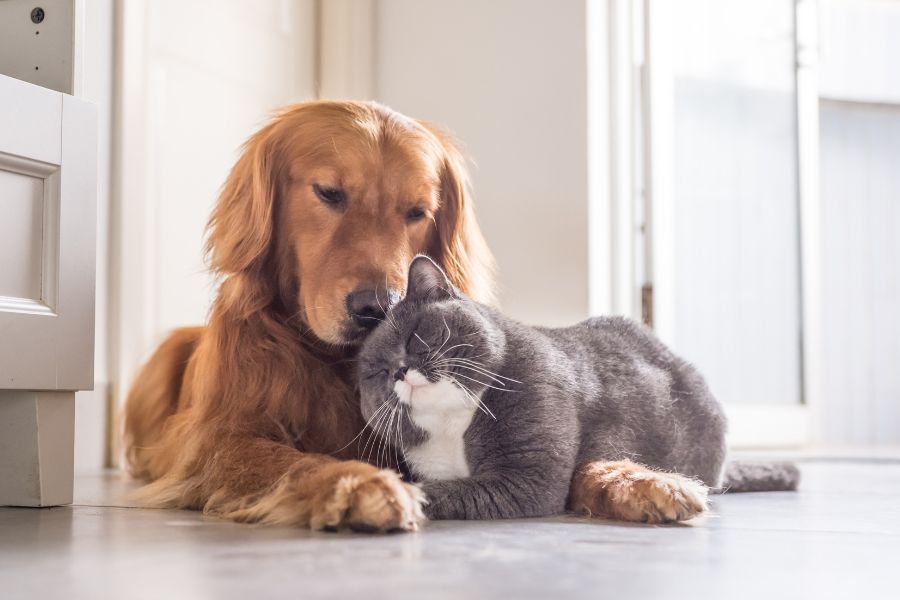
Your dog seems fine. Your cat is eating well, sleeping soundly, and acting completely normal. So why does a vet visit matter right now? Because pets are experts at hiding illness, and by the time visible symptoms appear, many conditions have already been developing for months.
Regular vet care for pets is one of the most powerful things you can do to protect your companion’s health and add years to their life. This article walks through exactly how routine veterinary care works, what it catches, and why waiting until something looks wrong is often the most expensive approach of all.
What Routine Veterinary Care Actually Does for Your Pet
Most pet owners think of a vet visit as something you schedule when a problem shows up. The reality is that routine care is designed to find problems before they become problems. A standard wellness exam covers far more than a quick once-over. Your veterinarian evaluates your pet’s weight, coat condition, dental health, heart function, joint mobility, vision, and organ health. Bloodwork and urinalysis can reveal early signs of kidney disease, liver changes, thyroid dysfunction, and diabetes long before any behavioral changes appear.
Studies suggest that pets who receive annual wellness exams live an average of two to three years longer than those who only see a vet when visibly ill. That gap comes from early intervention. A condition caught in its early stages is nearly always less expensive to treat, more responsive to treatment, and less painful for your pet than one caught in its advanced stages.
Dr. Jeffery Newman, co-owner and DVM at Caring Hands Animal Hospital, puts it plainly: “Most of the serious conditions we catch, including organ disease, dental infection, and early tumors, show no obvious symptoms in the early stages. By the time a pet owner notices something is wrong, the condition has often been progressing for months.” His background in emergency medicine gives him a unique perspective on how often preventable situations escalate simply because routine care was skipped.
Signs Your Pet May Be Overdue for a Wellness Visit
Pets do not behave the way humans do when they feel unwell. A sick dog may still greet you at the door. A cat with chronic pain may continue to eat and groom normally. This is an instinct rooted in survival biology, not a sign that everything is fine. Here are signs that your pet is due for a check-in, even without a dramatic symptom:
- Increased thirst or urination — can signal diabetes, kidney disease, or hormonal changes, often with no other visible signs
- Gradual weight change — slow gain or loss over weeks is easy to miss at home but is measurable and meaningful at a wellness visit
- Subtle behavior shifts — sleeping more, playing less, being slightly less social than usual can indicate pain or early illness
- Bad breath — dental disease affects an estimated 80% of dogs and 70% of cats by age three, and most owners assume some odor is normal
- Stiffness after rest — particularly in older dogs, this is often the first sign of arthritis, not just “slowing down with age”
If any of these sound familiar, contact your veterinarian. Prompt attention to subtle changes can prevent a manageable condition from becoming a serious one.
What to Expect at a Routine Wellness Appointment
Many pet owners, especially first-timers, are not sure what a routine visit actually involves. Here is what a standard wellness appointment typically looks like:
- Check-in and intake — staff documents your pet’s current weight, recent behavioral notes, and any changes you have observed at home
- Physical examination — a nose-to-tail assessment covering teeth, eyes, ears, coat, lymph nodes, abdomen, heart, and lungs
- Parasite screening — testing for heartworm, intestinal parasites, and flea or tick activity, particularly important in urban environments like Tenleytown, D.C., where parks and green spaces bring consistent exposure
- Bloodwork and diagnostics — recommended annually for adult pets and more frequently for seniors; catches internal changes before symptoms appear
- Vaccination review — your vet will assess which vaccines are current and which are due, based on your pet’s age, lifestyle, and risk profile
- Discussion and plan — your vet walks you through findings and any recommendations, giving you a clear picture of your pet’s current health status
The full visit typically takes 30 to 45 minutes and leaves you with a concrete picture of where your pet stands, not just a general sense that everything looks fine.
Why Age Changes Everything in Veterinary Care
One of the most common misconceptions among pet owners is that young, active pets do not need frequent vet visits. In reality, the frequency and focus of veterinary care should shift as your pet ages, because the health risks shift too.
Puppies and kittens require a series of early exams to establish a baseline, complete a vaccination schedule, and address developmental concerns before they become behavioral or physical problems. Adult dogs and cats benefit from annual wellness visits that track weight, dental health, and organ function over time. Senior pets, generally those seven years and older for dogs and ten and older for cats, benefit most from twice-yearly visits, since their risk for organ disease, cancer, and joint conditions climbs steadily with age.
Dr. Newman notes that many pet owners are surprised to hear their seven-year-old dog is already considered a senior. Age-related changes in organ function can begin well before any visible signs appear. Annual bloodwork at this stage is not a precaution; it is the most direct way to stay ahead of conditions that are highly manageable when caught early.
Understanding how long cats and dogs typically live in good health is also useful context. Keeping dogs healthy longer and improving how long cats live both come down to the same core strategy: consistent, proactive veterinary care across every life stage, not just when something goes wrong.
Building a Lifelong Health Partnership for Your Pet
The most effective veterinary care is not reactive; it is relational. When you bring your pet in regularly, our veterinarians build a longitudinal picture of what is normal for that specific animal. That baseline is what makes early disease detection in pets possible. A slight change in kidney values that would be meaningless without context becomes significant when your vet can compare it to results from two years ago.
At Caring Hands Animal Hospital in Tenleytown, the team provides all types of veterinary care for dogs and cats of every age, from first puppy and kitten exams through senior wellness programs. Pet owners in Tenleytown, D.C. have access to a full range of services under one roof, including wellness care, dental care, imaging, surgery, urgent pet care, and pain management, so your pet’s care is coordinated and continuous rather than fragmented.
Choosing a consistent veterinarian near you also means your pet is seen by an experienced veterinarian who already knows their history, temperament, and health trends. At Caring Hands Animal Hospital in Tenleytown, that relationship starts from day one and grows stronger with every visit. Give your dog or cat the consistent, compassionate care they deserve. Regular vet care for pets is the single best investment you can make in their long-term health. Book an appointment today.
Frequently Asked Questions
Q: How often should I take my dog or cat to the vet if they seem healthy?
Ans: Healthy adult dogs and cats should see a veterinarian at least once a year for a wellness exam. Senior pets, generally those seven years and older for dogs and ten and older for cats, benefit from visits every six months. Even when your pet appears healthy, annual exams allow your vet to catch internal changes that show no outward symptoms.
Q: What is included in a routine pet wellness exam?
Ans: A routine wellness exam typically includes a full physical assessment, weight check, dental evaluation, parasite screening, and a review of vaccination status. Your vet may also recommend bloodwork and urinalysis, especially for adult and senior pets, to screen for early signs of organ disease, diabetes, or hormonal changes.
Q: Can regular vet visits actually help my pet live longer?
Ans: Yes. Pets who receive consistent annual care have been shown to live an average of two to three years longer than those who only see a vet when visibly ill. Early detection of conditions like kidney disease, dental infection, and cancer dramatically improves treatment outcomes and quality of life.
Q: My pet seems perfectly fine. Do they still need a vet visit?
Ans: Absolutely. Pets instinctively mask discomfort and illness, which means a pet that appears normal can still be managing a condition that is progressing internally. Routine exams give your veterinarian a chance to detect what outward behavior cannot reveal.
Q: At what age should I start bringing my puppy or kitten to the vet?
Ans: Puppies and kittens should begin veterinary visits as early as six to eight weeks of age. Early exams establish a health baseline, allow for a proper vaccination schedule, and help identify any developmental concerns before they become more serious issues.