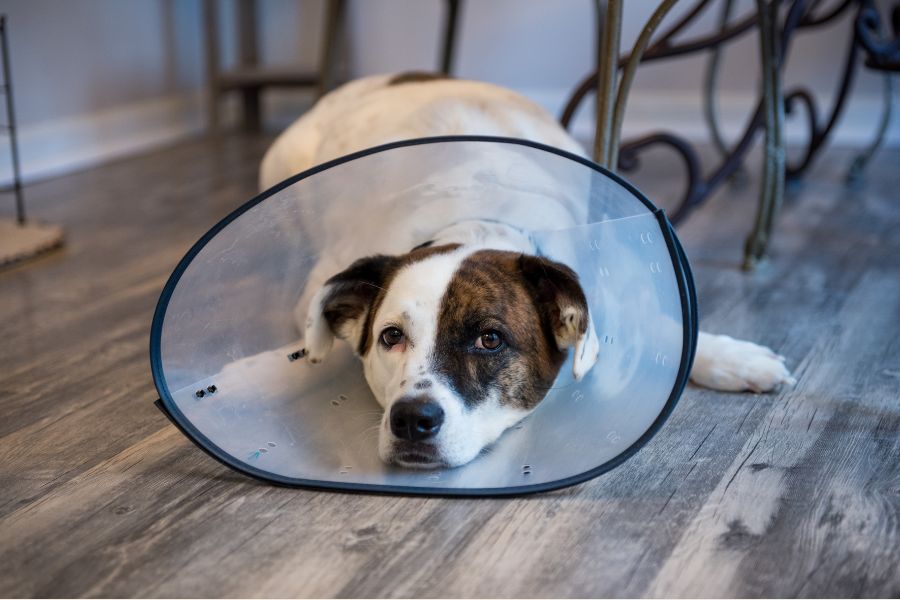
Finding out that your pet needs surgery can bring up a lot of emotions. Whether it’s a planned spay or neuter procedure or an unexpected operation to remove a foreign object or suspicious mass, it’s completely normal to feel anxious. Many pet owners have questions about anesthesia, pain management, recovery, and how soon their companion can return to everyday activities.
Learning that your dog or cat needs surgery can bring a mix of emotions. You may feel worried about anaesthesia, wonder how long recovery will take, or question whether surgery is truly the best option. These concerns are completely understandable, especially if it’s your pet’s first procedure.
Modern pet surgery is safer and more advanced than ever before, thanks to improved anaesthesia protocols, continuous patient monitoring, and effective pain management. Understanding what happens before, during, and after a procedure can help you feel more prepared and confident in the decisions you make for your pet’s health.
Whether your companion is scheduled for a routine spay or neuter or requires a more advanced soft tissue procedure, knowing what to expect can make the entire experience less stressful for both you and your pet.
If you’re searching for experienced veterinarians in Suffolk, understanding what happens before, during, and after surgery can help you make the best decisions for your pet’s long-term health.
Understanding When Surgery Is Recommended
Surgery isn’t always the first option for treating a medical condition. Before recommending any procedure, our team carefully evaluates your pet’s overall health, performs a complete physical examination, and discusses all available treatment options.
In many cases, medications, dietary changes, or ongoing monitoring may successfully manage a condition without surgery. However, there are situations where an operation provides the safest and most effective solution, helping relieve pain, prevent complications, or improve your pet’s overall quality of life.
Every recommendation is based on your pet’s unique needs, and we’ll always explain why a procedure is advised before moving forward.
Surgical Procedures We Commonly Perform
Our surgical suite is equipped to perform a wide variety of routine and soft tissue procedures for dogs and cats.
Some of our most frequently performed surgeries include:
- Spay and neuter procedures
- Mass and tumor removal
- Soft tissue surgery
- Foreign body removal
- Bladder stone surgery
- Wound and laceration repair
- Surgical dental extractions are performed under general anesthesia
If your pet requires a specialized orthopedic procedure or another advanced surgery beyond our hospital’s scope, we coordinate care with trusted referral specialists while remaining involved in your pet’s treatment and recovery.
Anesthesia Safety Is Always a Priority
For many pet owners, anesthesia is the most concerning part of surgery. Fortunately, advances in veterinary medicine have made modern anesthesia significantly safer through individualized planning and continuous monitoring.
Before surgery, every patient undergoes a thorough pre-anesthetic evaluation that may include:
- A complete physical examination
- Pre-anesthetic bloodwork
- Review of current medications
- Assessment of age, breed, and medical history
These steps help identify potential health concerns and allow us to develop a customized anesthesia protocol specifically for your pet.
Some breeds, including brachycephalic dogs such as French Bulldogs, Pugs, and Bulldogs, require additional airway precautions during anesthesia. Our team carefully adjusts anesthetic protocols to accommodate these unique needs and minimize potential risks.
Throughout every procedure, a dedicated team member continuously monitors your pet’s:
- Heart rate
- Blood pressure
- Oxygen saturation
- Respiratory rate
- Body temperature
Because these vital signs are monitored throughout the procedure, our medical team can respond immediately if any adjustments are needed.
Compassionate Care During Recovery
Recovery begins as soon as the procedure is complete.
After surgery, pets are moved to a quiet recovery area where they continue to be closely observed as they wake from anesthesia. Our team monitors their comfort, breathing, temperature, and overall condition before they’re ready to return home.
Pain management is an essential part of every surgical plan. Depending on the procedure, your pet may receive pain medication before surgery, during recovery, and after discharge to keep them as comfortable as possible.
Before your pet leaves the hospital, we’ll review everything you need to know about home care and answer any questions you may have.
Helping Your Pet Recover at Home
Most routine soft tissue surgeries, including spay and neuter procedures, require approximately 10 to 14 days of restricted activity.
While many pets feel much better after just a few days, their incision still needs time to heal properly. During recovery, your pet should avoid:
- Running
- Jumping on furniture
- Rough play
- Swimming
- Long walks or strenuous exercise
Families with active dogs often need creative ways to keep their companions mentally stimulated while limiting physical activity. Food puzzles, gentle enrichment games, and supervised quiet time can help reduce boredom without putting unnecessary strain on the healing incision.
Every surgical patient goes home with detailed written discharge instructions covering:
- Medication schedules
- Incision care
- Feeding recommendations
- Activity restrictions
- Follow-up appointments
- Signs that require immediate attention
If you notice swelling, discharge, excessive redness, persistent vomiting, loss of appetite, or unusual lethargy, contacting your veterinary team promptly can help prevent more serious complications.
Why Transparency Matters
One of the things pet owners appreciate most about our hospital is our commitment to open communication.
We understand that surgery can feel intimidating, especially if it’s your pet’s first procedure. That’s why we believe trust is built through transparency rather than uncertainty.
Our open treatment areas and viewing windows into the surgical suite reflect this philosophy. Instead of wondering what happens once your pet is taken to the back, you’ll receive clear explanations about the procedure, expected recovery, potential risks, and postoperative care.
We encourage questions because informed pet owners make confident decisions, and confident decisions contribute to smoother recoveries.
Every Surgical Plan Is Personalized
No two pets have the same medical needs.
A healthy young kitten scheduled for a routine spay requires a different surgical and anesthetic approach than an older dog undergoing bladder stone removal or a cat having a mass removed.
Factors we consider when developing each surgical plan include:
- Age
- Breed
- Weight
- Medical history
- Current medications
- Lifestyle
- Overall health
By tailoring every procedure to the individual patient, we’re able to provide safer care and support a smoother recovery process.
Choosing the Right Surgical Team
Entrusting your pet to a surgical team is an important decision. Beyond medical expertise, it’s equally important to choose a hospital that prioritizes communication, safety, compassion, and personalized care.
At Caring Hands Animal Hospital – Suffolk, we focus on making every stage of the surgical experience as comfortable as possible for both pets and their families. Whether your companion needs a routine preventive procedure or surgery to address a more complex medical condition, our experienced team is dedicated to delivering high-quality care while keeping you informed from beginning to end.
Schedule a Surgical Consultation Today
If your pet has been diagnosed with a condition that may require surgery or you’re planning a routine spay or neuter procedure, our team is here to help. We’ll take the time to explain your options, answer your questions, and create a personalized treatment plan that supports your pet’s health and well-being.
Contact Caring Hands Animal Hospital – Suffolk today to schedule a consultation. Together, we’ll help your dog or cat receive safe, compassionate surgical care and a smooth recovery every step of the way.