Choosing what to feed your pet can feel like a major responsibility. After all, food affects energy, growth, digestion, weight, and overall health. Raw diets have gained attention among pet owners seeking less processed feeding options. However, raw feeding involves important nutritional and food safety considerations.
Before adjusting the pet diet, it is essential to understand both the potential benefits and risks involved. A veterinarian can help you make an informed decision based on your pet’s individual needs.
At Caring Hands Animal Hospital in Rockville, we understand how deeply families care about their pets. Our veterinary team can discuss feeding choices while considering age, lifestyle, medical history, and overall health.
What Is a Raw Diet for Pets?
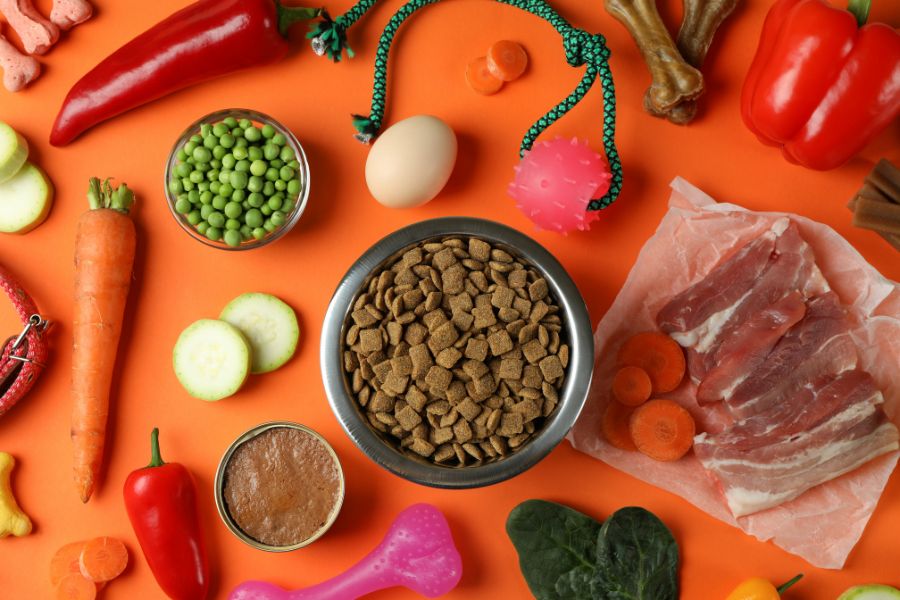
A raw diet generally contains uncooked animal ingredients. Common ingredients include muscle meat, organs, eggs, and sometimes raw bones. Some diets also contain fruits, vegetables, oils, vitamins, and mineral supplements. Raw products may be homemade or purchased commercially.
Commercial options can include frozen, freeze-dried, or dehydrated foods. However, these processing methods do not necessarily eliminate harmful germs. Pet owners sometimes choose raw feeding because they want food that seems closer to an animal’s ancestral diet. Others may seek changes in digestion, coat appearance, or food preferences.
However, these perceived advantages should be considered alongside documented nutritional and food safety concerns.
Are Raw Diets Healthier for Dogs and Cats?
There is not enough scientific evidence to establish raw feeding as healthier than properly balanced cooked diets. A food being raw does not automatically make it nutritionally superior. Ingredient quality and nutritional balance remain essential regardless of processing method.
Every animal requires appropriate amounts of protein, fats, vitamins, minerals, and other nutrients. Those requirements also change according to life stage and health status. A growing puppy has different requirements from an adult dog. Likewise, a senior cat may need nutritional adjustments based on changing health needs.
That is why proper pet nutrition involves much more than selecting ingredients that appear wholesome.
What Are the Main Risks of Feeding Raw Food?
Raw feeding requires careful consideration because several risks can affect pets and people.
1. Bacterial Contamination
Raw animal proteins can carry disease-causing bacteria, including Salmonella and Listeria. These organisms can cause illness in pets and humans. The FDA has found raw pet foods more likely to contain disease-causing bacteria than other tested pet foods.
Contaminated food can also spread bacteria to bowls, countertops, utensils, floors, hands, and other household surfaces. Some pets may carry harmful bacteria without obvious illness. They can potentially spread those organisms through their saliva or feces.
2. Nutritional Imbalances
Creating a balanced homemade diet is more complicated than combining meat, organs, vegetables, and supplements. Too little or too much of certain nutrients can create health problems over time. Calcium and phosphorus balance is particularly important during growth.
Vitamins and trace minerals must also be supplied in appropriate amounts. A diet that looks varied can still contain significant nutritional gaps. This concern becomes especially important when homemade food becomes the pet’s primary diet.
3. Risks Associated With Raw Bones
Some raw feeding plans include bones for chewing or as a source of nutrients. However, bones can create physical hazards.
They may cause broken teeth, choking, gastrointestinal injuries, or intestinal obstruction. An obstruction can become a serious medical problem and may require urgent veterinary treatment.
Which Pets May Face Greater Risks?
Raw feeding deserves additional caution for animals that may be more vulnerable to illness. Puppies and kittens are still developing and require carefully balanced nutrition. Nutritional deficiencies during growth can have lasting consequences.
Senior pets may also have underlying medical conditions affecting digestion or nutritional requirements. Pets with weakened immune systems or chronic health problems may face greater consequences from foodborne pathogens.
Your veterinarian can assess these factors before recommending changes to the pet diet.
Can Raw Pet Food Affect People in the Household?
Raw feeding is also a household food safety issue. Bacteria from uncooked animal products can spread during preparation, feeding, cleaning, and waste disposal. This creates potential exposure for people living with the pet.
Certain household members face greater risks from foodborne illness. These include young children, older adults, pregnant people, and immunocompromised individuals. Pet owners should consider everyone who regularly interacts with the animal before choosing raw feeding.
Careful hygiene reduces exposure, but it cannot guarantee that raw food will be free from harmful microorganisms.
What Should You Discuss With Your Veterinarian First?
Before changing foods, schedule a veterinary consultation and discuss your reasons for considering a raw diet. Tell your veterinarian about your pet’s current food, treats, supplements, and feeding schedule. Mention any digestive problems, allergies, weight changes, or chronic medical conditions.
Your veterinarian may consider several important questions:
- Is the proposed food complete and balanced?
- Is it appropriate for your pet’s age and life stage?
- Does your pet have medical conditions affecting nutritional needs?
- Are there safer ways to achieve your feeding goals?
- Does anyone in your household have increased infection risks?
- How should your pet’s weight and health be monitored?
These conversations can help separate appealing feeding trends from choices supported by your pet’s actual needs.
How Can You Evaluate a Commercial Pet Food?
Labels can provide useful information when comparing feeding options. Look for a nutritional adequacy statement showing the food is complete and balanced for the appropriate life stage.
Do not rely only on marketing phrases such as “natural,” “ancestral,” or similar descriptions. These terms do not automatically demonstrate nutritional completeness. You can also ask manufacturers about quality control and pathogen testing.
The CDC recommends asking raw-food companies about testing for Salmonella, E. coli, and Listeria. Nutrition decisions should focus on safety, nutritional adequacy, and your animal’s individual requirements.
What If You Still Decide to Feed Raw Food?
Some owners may still choose raw feeding after discussing the risks with their veterinarian. Careful food handling then becomes especially important.
Wash your hands thoroughly before and after handling raw ingredients. Clean bowls, utensils, countertops, and preparation surfaces after every feeding.
Keep raw pet food separated from human food. Frozen products should be thawed safely inside the refrigerator. Discard uneaten portions rather than leaving raw food at room temperature.
Avoid allowing your pet to lick faces immediately after eating. Clean areas that may become contaminated during feeding.
These precautions can reduce exposure risks, although they cannot remove every risk associated with raw food.
Are There Alternatives to a Raw Diet?
Yes. Pet owners have several feeding options beyond traditional dry food and completely raw diets. A veterinarian can help you evaluate complete and balanced commercial foods based on your pet’s needs.
Some owners may also consider properly formulated cooked diets. Cooking reduces exposure to many pathogens associated with raw animal products. Homemade cooked diets still require careful formulation. Simply cooking meat with vegetables does not ensure complete nutrition.
If you want to change foods, your veterinarian can help identify an option matching your goals without unnecessary nutritional risks.
Make Your Pet’s Nutrition a Health Decision
Feeding choices can have long-term effects on your pet’s well-being. That makes nutrition a health decision rather than simply a lifestyle preference.
At Caring Hands Animal Hospital, we believe informed pet owners can make stronger decisions for their companions. Our Rockville veterinary team takes time to understand each pet’s history, needs, and lifestyle.
If you have questions about pet nutrition or are considering changing your pet’s food, speak with our veterinary team. We can help you evaluate your options and prioritize your pet’s long-term health.
Schedule a visit with Caring Hands Animal Hospital in Rockville, MD, to discuss your pet’s nutritional needs.
Frequently Asked Questions(FAQs):
1. Is a raw diet safe for every dog or cat?
A: No. Raw diets carry foodborne illness and nutritional risks that should be considered before feeding. Some animals may face greater risks because of age or health conditions.
2. Can puppies and kittens eat raw food?
A: Growing animals have precise nutritional requirements. An improperly balanced diet can interfere with healthy development. Consult your veterinarian before making significant dietary changes.
3. Does freezing raw meat kill harmful bacteria?
A: Not necessarily. Freezing can reduce some microorganisms but does not reliably eliminate every harmful germ. Frozen raw products still require careful handling.
4. Can raw food improve my pet’s coat and digestion?
A: Some owners report improvements, but individual experiences do not prove that raw feeding provides superior health benefits. Diet changes should address your pet’s specific needs.
5. Are commercial raw diets safer than homemade raw diets?
A: Commercial products may provide more consistent formulation, but raw products can still contain pathogens. Check nutritional adequacy, manufacturing standards, and pathogen testing before choosing one.
6. Should raw diets include bones?
A: Raw bones can create risks, including dental fractures, choking, gastrointestinal injury, and intestinal blockage. Discuss safer nutritional and chewing options with your veterinarian.
7. How should I change my pet’s food safely?
A: Speak with your veterinarian before making a major dietary change. Your veterinarian can recommend an appropriate transition based on health, age, and nutritional requirements.