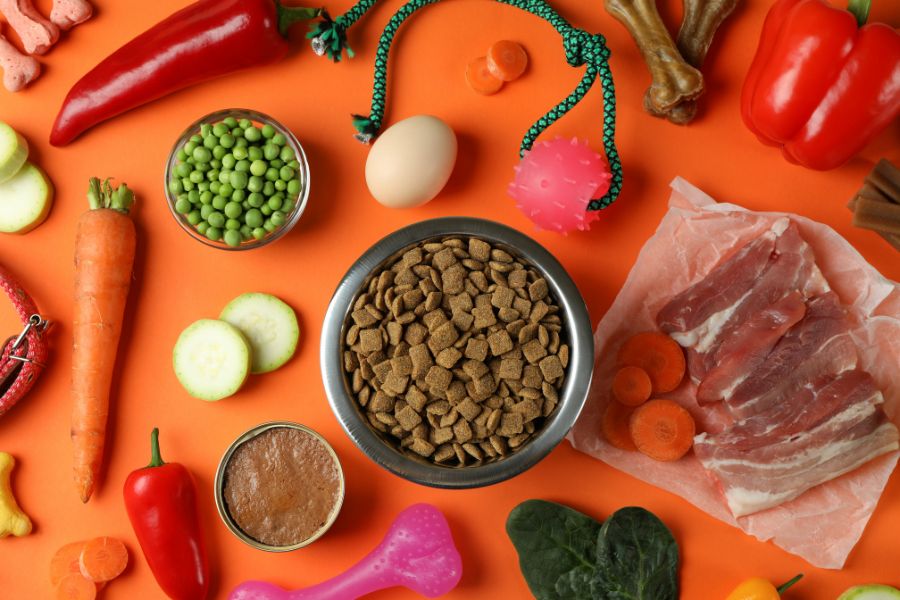

Diabetes in dogs is becoming increasingly common, but managing it doesn’t have to be overwhelming. A carefully planned diabetic dog diet can make a world of difference in maintaining your dog’s blood sugar levels and overall health. Choosing the right foods helps regulate energy, supports weight management, and keeps your furry friend active and happy.
Below, we’ve curated the top 10 foods that help manage canine diabetes, highlighting the differences between good and harmful food choices, so you can make informed decisions for your pet.
1. Lean Proteins: The Building Blocks of Energy
Lean proteins, such as chicken, turkey, and lean cuts of beef, are essential for diabetic dogs. They provide energy without spiking blood sugar. Unlike high-fat meats, which can lead to weight gain and insulin resistance, lean proteins support muscle maintenance and overall vitality.
Tip: Cook proteins thoroughly and avoid added seasonings or sauces.
2. Pumpkin: Nature’s Blood Sugar Regulator
Pumpkin is a fiber-rich vegetable that helps slow glucose absorption. Its soluble fiber aids digestion and prevents sudden spikes in blood sugar. In contrast to starchy carbs like white rice, pumpkin stabilizes energy levels throughout the day.
Fun fact: You can add a spoonful of pure pumpkin to your dog’s meals to boost fiber intake naturally.
3. Sweet Potatoes: The Slow Carb Superstar
Sweet potatoes are packed with complex carbohydrates that digest slowly, providing steady energy. Unlike regular potatoes, which can cause rapid glucose spikes, sweet potatoes are ideal for a diabetic dog’s diet. Their vitamin-rich content also supports skin, coat, and immune health.
4. Green Beans: Low-Calorie Crunch
Green beans are low in calories but high in fiber, making them perfect for weight control. They fill your dog up without overloading their system with sugars or starches. Unlike peas or corn, which contain more carbohydrates, green beans are gentle on diabetic dogs.
Tip: Steam or lightly cook them to retain nutrients without adding unhealthy fats.
5. Quinoa: Protein-Packed Supergrain
Quinoa is an excellent grain alternative for diabetic dogs. It’s high in protein and fiber but low on the glycemic index, which means it won’t cause drastic blood sugar fluctuations. Compared to white rice or pasta, quinoa promotes satiety and supports muscle health.
6. Fish: Omega-3 Power for Diabetic Dogs
Fatty fish like salmon and sardines provide omega-3 fatty acids that reduce inflammation and promote heart and joint health. While many meats are suitable, fish stands out because it combines lean protein with healthy fats that benefit diabetic dogs.
Pro tip: Ensure all fish is boneless and cooked to avoid harmful bacteria.
7. Broccoli: Tiny Trees, Big Benefits
Broccoli is rich in antioxidants and fiber, helping regulate blood sugar and boost immunity. Unlike starchy vegetables like corn or carrots, broccoli contributes to slower glucose absorption and adds essential nutrients without excess calories.
8. Carrots: Sweet Treat in Moderation
Carrots are naturally sweet but low in calories and glycemic load, making them suitable as an occasional snack. The key difference lies in portion size: too many carrots can spike blood sugar, while small, measured servings provide vitamins A and K for overall health.
9. Cottage Cheese: A Low-Fat Dairy Option
Cottage cheese is a protein-rich, low-fat dairy choice that fits well into a diabetic dog diet. Unlike full-fat cheeses, cottage cheese provides calcium and protein without contributing to weight gain or insulin imbalance. It’s perfect for mixing into meals or giving as a treat.
10. Oatmeal: Gentle on Glucose Levels
Oatmeal is a fiber-rich carbohydrate that digests slowly, helping maintain steady blood sugar. Unlike sugary cereals or processed grains, oatmeal offers long-lasting energy and supports digestive health. Make sure to serve plain, cooked oatmeal without added sugar or flavorings.
Spot the Difference: Healthy vs. Harmful Choices
Understanding the difference between beneficial and harmful foods is critical for managing canine diabetes. For instance:
- Good: Sweet potatoes, lean meats, fish, green beans, quinoa.
- Avoid: White bread, rice, high-sugar treats, fatty meats.
Choosing wisely ensures your dog’s blood sugar remains stable, weight is controlled, and overall health is optimized.
Managing diabetes in dogs may seem challenging, but with the right diet, your furry friend can enjoy a healthy, happy life. If you need advice or want to learn more about diabetic diets from a veterinarian near you, then schedule a consultation with Caring Hands Animal Hospital- Suffolk today.