
Your pet may seem perfectly healthy, but many health concerns begin quietly without obvious signs. Regular wellness exams help detect changes before they become serious, support preventive care, and keep your dog or cat on track with recommended vaccinations, parasite prevention, nutrition, and overall health.
This guide explains how often pets should have wellness exams, what happens during these visits, how age affects exam frequency, and the warning signs that mean your pet should be seen sooner. You will also find answers to common questions that help pet owners make informed decisions about routine care.
Why Are Wellness Exams Important?
A wellness exam is a routine health check designed to evaluate your pet’s physical condition before illness develops. Dogs and cats often hide discomfort, making it difficult to recognize problems at home. Regular visits give your pet’s doctor the opportunity to compare changes over time and identify concerns early.
These appointments also provide time to discuss nutrition, weight management, dental health, parasite prevention, vaccinations, and lifestyle changes. Each visit builds a more complete picture of your pet’s long-term health.
Routine pet wellness care helps support healthy growth in young pets, maintains adult health, and allows earlier management of age-related conditions. Preventive care often reduces the risk of complicated treatments later.
How Often Should Dogs Get Wellness Exams?
Healthy adult dogs generally benefit from a wellness exam once every year. Annual visits allow consistent monitoring of body condition, heart and lung function, skin health, joints, and overall wellness.
Some dogs need more frequent exams based on factors such as:
- Puppy growth and vaccination schedules
- Senior age
- Chronic medical conditions
- Breed-related health risks
- Changes in behavior or appetite
Large breeds and giant breeds may experience age-related changes sooner than smaller dogs. More frequent checkups help monitor mobility, weight, and organ function as they grow older.
How Often Should Cats Get Wellness Exams?
Cats often hide illness remarkably well, making routine exams especially valuable. Healthy adult cats should usually receive a wellness exam every year, even if they remain indoors.
Senior cats, kittens, and cats with ongoing medical conditions often benefit from visits every six months. These appointments allow earlier detection of kidney disease, arthritis, thyroid disorders, diabetes, and dental problems that may not show noticeable symptoms initially.
Indoor cats still require preventive care because weight gain, dental disease, and chronic illnesses can develop without outdoor exposure.
Wellness Exam Schedule by Life Stage
1. Kittens and Puppies
Young pets require several wellness visits during their first year. These appointments monitor growth, administer vaccinations, discuss nutrition, check for congenital concerns, and begin parasite prevention.
Regular visits also help puppies and kittens become comfortable with handling and routine examinations.
2. Adult Pets
Most healthy adult dogs and cats should receive one wellness exam each year. These visits help maintain preventive healthcare while establishing normal health trends over time.
3. Senior Pets
Senior pets benefit from wellness exams every six months. Aging brings gradual physical changes that are easier to manage when detected early. Regular monitoring allows timely recommendations that support comfort and quality of life.
What Happens During a Wellness Exam?
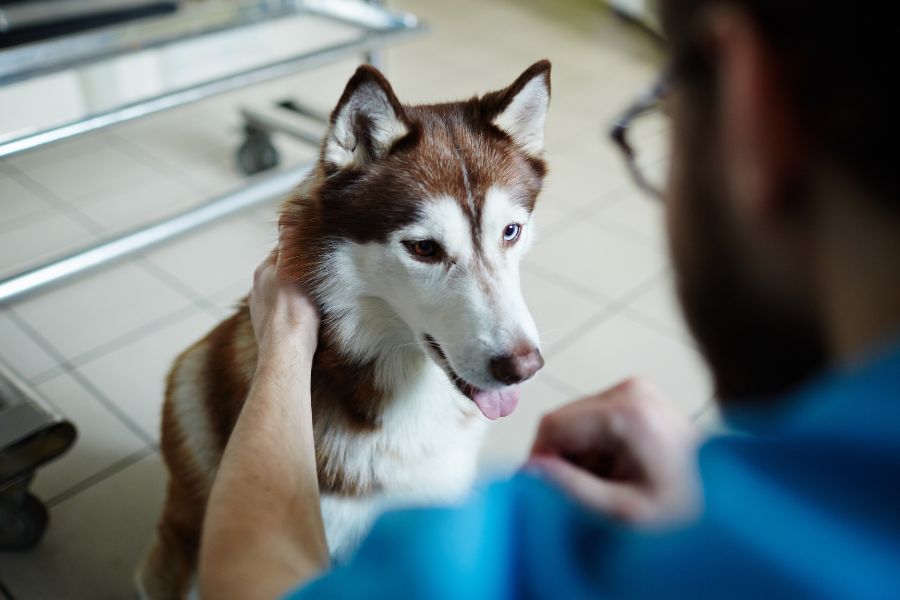
A routine wellness exam includes a complete physical assessment from nose to tail. Your pet’s doctor may evaluate:
1. Physical Health
- Weight and body condition
- Eyes, ears, nose, and mouth
- Skin and coat quality
- Heart and lung function
- Abdomen and internal organs
- Muscles and joints
- Mobility and posture
2. Preventive Care Review
The visit may also include discussions about:
- Vaccination recommendations
- Parasite prevention
- Nutrition
- Exercise
- Dental care
- Behavioral concerns
- Lifestyle changes
Laboratory testing may be recommended depending on your pet’s age, health history, or current findings.
Signs Your Pet Should Be Examined Sooner
Annual wellness visits are important, but some situations require prompt medical attention instead of waiting for the next scheduled appointment.
Contact your clinic if your pet experiences:
- Reduced appetite
- Weight loss
- Vomiting or diarrhea
- Increased thirst
- Difficulty walking
- Persistent coughing
- Changes in urination
- Sudden behavior changes
- Bad breath with eating difficulty
- Unusual lumps or swelling
If your dog or cat shows any of these symptoms, contact a veterinarian near you for timely evaluation before the condition progresses.
How Wellness Exams Support Long-Term Health
Routine wellness exams create an ongoing health record that becomes more valuable every year. Small changes in weight, mobility, dental condition, or bloodwork may seem insignificant individually, yet together they help identify developing problems much earlier.
Preventive healthcare also allows personalized recommendations based on breed, age, lifestyle, and medical history. This individualized approach helps many pets enjoy healthier, more comfortable lives throughout every stage.
Conclusion
Regular wellness exams remain one of the simplest ways to protect your dog’s or cat’s long-term health. Consistent preventive visits support early disease detection, monitor physical changes, answer your questions, and provide guidance tailored to your pet’s needs. Building a routine schedule today can make a meaningful difference in your companion’s future well-being.
If you’re located in Merrifield, Caring Hands Animal Hospital- Merrifield welcomes you with personalized support, where compassionate care and a strong sense of community come together to promote your pet’s lifelong health and well-being.
Frequently Asked Questions(FAQs):
1. How often should healthy dogs have wellness exams?
Most healthy adult dogs should have a wellness exam once every year. Puppies, senior dogs, and those with ongoing medical conditions usually need more frequent visits to monitor health, adjust preventive care, and address changes before they become larger concerns.
2. Should indoor cats still receive annual wellness exams?
Yes. Indoor cats remain at risk for dental disease, obesity, arthritis, kidney disease, and other chronic conditions. Annual wellness exams help detect these problems early while keeping vaccinations, nutrition, and preventive care recommendations up to date.
3. What is included in a pet wellness exam?
A wellness exam typically includes a physical examination, weight assessment, heart and lung evaluation, dental check, skin and coat inspection, mobility assessment, parasite prevention review, vaccination discussion, nutrition guidance, and recommendations for additional testing when appropriate.
4. Why do senior pets need exams every six months?
Senior pets experience age-related health changes more rapidly than younger animals. Semiannual wellness exams help monitor chronic conditions, evaluate mobility, detect organ changes early, and adjust care plans to maintain comfort and quality of life.
5. Can wellness exams help prevent serious illnesses?
Wellness exams cannot prevent every disease, but they improve the chances of finding health concerns before symptoms become severe. Early detection often allows simpler treatment options and better long-term outcomes for many common conditions.
6. How should I prepare for my pet’s wellness appointment?
Bring your pet’s medical records, medication list, diet information, and notes about any recent behavioral or physical changes. Preparing questions beforehand helps ensure every concern is discussed during the visit and supports a productive wellness examination.