
As the temperatures drop and snow begins to blanket the ground, pet owners must adapt their routines to ensure their furry companions stay healthy and happy. Winter brings unique challenges for dogs and cats, from frosty paws to dry skin.
In this guide, we’ll explore essential cold-weather pet care strategies to promote winter wellness for your beloved animals. Whether you have an adventurous pup or a cozy feline, these tips will help you navigate the season safely.
Preparing Your Home for Winter Comfort
First and foremost, creating a warm indoor environment is crucial for pets during colder months. Dogs and cats can suffer from hypothermia if exposed to drafts or cold floors. Therefore, consider adding extra bedding, such as heated pet mats or blankets, to their sleeping areas. Additionally, seal any gaps around windows and doors to prevent chilly air from seeping in.
For cats, who often seek high perches, provide elevated spots away from cold surfaces. Meanwhile, dogs might appreciate a designated warm corner with toys to keep them occupied indoors. Moreover, humidifiers can combat dry air from heating systems, which might otherwise lead to respiratory issues or itchy skin in both species.
Outdoor Safety Measures for Pets
When venturing outside, safety should be your top priority. For instance, shorter walks during extreme cold can prevent frostbite on paws, ears, and tails. Always check the weather forecast before heading out, and limit exposure if temperatures fall below freezing.
Furthermore, invest in protective gear like booties for dogs to shield against ice and salt, which can irritate paw pads. Cats, being more indoor-oriented, may not need as much outdoor time, but if they do go out, ensure they have a safe, insulated shelter. However, never leave pets unattended in vehicles during winter, as cars can quickly become refrigerators.
In addition, be mindful of antifreeze spills, a common winter hazard that’s toxic to animals. Wipe paws clean after walks to remove any residues. By taking these precautions, you can enjoy outdoor activities without compromising your pet’s well-being.
Nutrition and Hydration Adjustments
As winter sets in, pets’ metabolic needs may change. For example, active dogs might require more calories to maintain body heat, while indoor cats could need portion control to avoid weight gain from reduced activity. Consequently, consult your vet about adjusting food portions or switching to formulas rich in omega-3s for coat health.
Hydration is equally important, yet often overlooked. Heated water bowls prevent freezing, ensuring fresh water is always available. Moreover, adding wet food to diets can boost moisture intake, especially for cats prone to urinary issues in dry conditions.
Addressing Common Winter Health Concerns
Cold weather can exacerbate certain health problems, so vigilance is key. Joint stiffness, for instance, affects older dogs more in winter; thus, supplements like glucosamine might help, but only under professional guidance. Cats may experience increased asthma flare-ups due to dry air, so monitor breathing patterns closely.
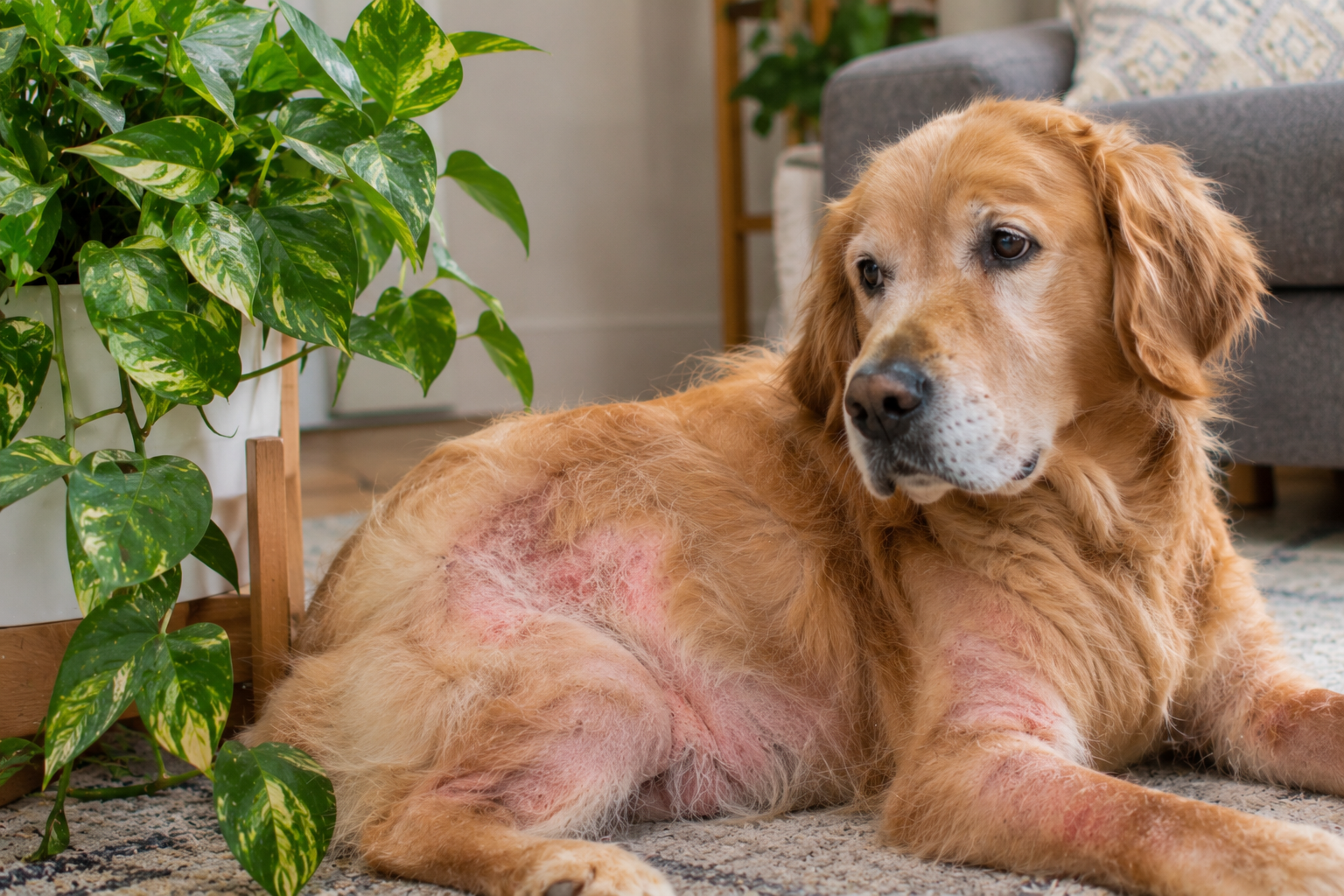
Additionally, watch for signs of hypothermia, such as shivering, lethargy, or pale gums. If symptoms appear, warm your pet gradually and seek immediate care. Skin dryness is another issue—regular checks for flakes or cracks can prevent infections. In this regard, if you’re in the area, a veterinarian in Alexandria can offer tailored advice for local climate challenges.
Preventive measures, like up-to-date vaccinations, are vital too. Flu and other respiratory illnesses spike in winter, making routine check-ups essential for early detection.
Grooming and Coat Maintenance Tips
Proper grooming plays a significant role in winter wellness. Contrary to popular belief, shaving coats isn’t always beneficial; natural fur provides insulation. Instead, brush regularly to distribute oils and remove mats that trap cold.
For dogs with short coats, sweaters or jackets add an extra layer during outings. Cats typically self-groom, but older cats may need help brushing to prevent furballs. Furthermore, paw care involves trimming fur between the toes to prevent ice buildup, followed by applying moisturizing balms.
Bathing should be infrequent to preserve natural oils, but when necessary, use pet-safe shampoos and dry thoroughly to avoid chills.
Keeping Pets Active and Mentally Stimulated
Exercise routines often suffer in winter, leading to boredom or anxiety. Therefore, incorporate indoor games like puzzle toys for mental engagement. For dogs, short training sessions or hide-and-seek can burn energy without braving the cold.
Cats benefit from interactive wands or laser pointers to mimic hunting. Moreover, setting up window perches allows them to watch outdoor activity safely. If the weather permits, supervised play in enclosed yards keeps things fun.
By maintaining activity levels, you reduce the risk of obesity and behavioral issues, ensuring a balanced lifestyle year-round.
Special Considerations for Breeds and Ages
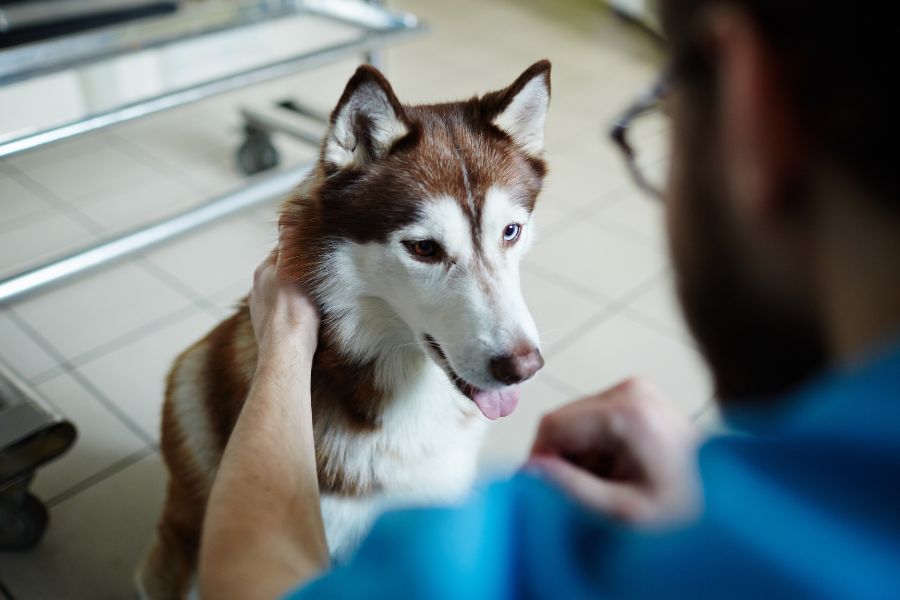
Not all pets face winter the same way. Breeds like Huskies thrive in cold, while Chihuahuas need more protection. Similarly, puppies and seniors are more vulnerable to temperature extremes.
For kittens, provide warm nesting spots to support growth. Older pets might require ramps for easier movement on slippery surfaces. Tailoring care to individual needs enhances overall wellness.
Conclusion: Embracing Winter with Your Pets
In summary, cold-weather pet care involves a mix of preparation, vigilance, and adaptation. From cozy homes to nutritious diets and safe outings, these winter wellness tips for dogs and cats ensure they remain healthy and content.
Remember, every pet is unique, so observe their behavior and adjust accordingly. With these strategies, you and your furry friends can enjoy the season together. If concerns arise, don’t hesitate to reach out to a professional for guidance.