
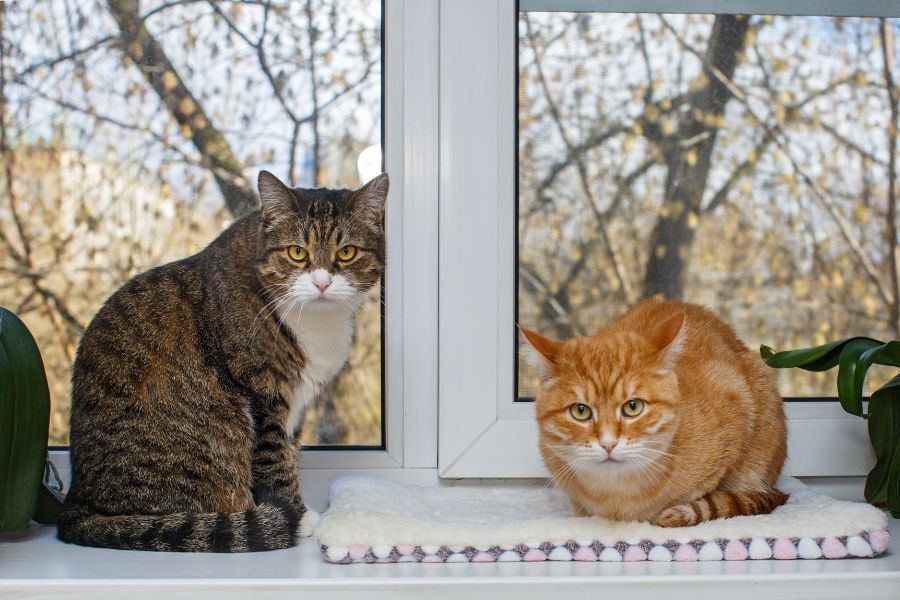
Cats age differently from people, which makes it difficult for pet owners to understand changing needs during each phase of life. This guide explains cat age in human years, feline age stages, nutrition needs, and common signs of aging.
You will also learn why regular wellness visits matter. Families searching for dependable support for aging cats can benefit from personalized care in Centreville.
Why Cat Years Matter
Many people believe one cat year equals seven human years. Cats mature much faster during their first two years of life. After that, the aging process becomes more gradual. Understanding cat years helps owners choose proper nutrition and wellness plans.
A one-year-old cat reaches the developmental stage of a teenager. By age two, most cats are considered young adults. Senior changes often appear around age ten, though some cats age earlier.
Knowing your cat’s age stage also helps you prepare for shifts in mobility, sleeping habits, grooming, appetite, and energy levels.
Cat Age Stages Explained
1. Kitten Stage: Birth to 1 Year
Kittens grow rapidly during their first year. They learn social skills, coordination, and litter habits while developing muscles. This stage requires quality nutrition, mental stimulation, and routine wellness visits.
Young kittens often sleep for long periods, followed by short bursts of play. Safe toys and climbing spaces support healthy development.
2. Young Adult Stage: 1 to 6 Years
Young adult cats usually maintain steady energy levels. Many owners notice consistent routines during these years. Cats often become more confident and independent.
Weight management becomes important during this stage. Indoor cats may gain weight easily without exercise or portion control. Interactive play sessions encourage movement.
Routine exams remain valuable even when cats appear healthy.
3. Mature Adult Stage: 7 to 10 Years
Cats entering mature adulthood may begin showing changes in behavior and mobility. Jumping onto furniture might become slower. Sleep patterns may increase.
This stage benefits from closer observation at home. Monitoring appetite, grooming habits, and litter box behavior can reveal important clues about health.
Owners should also review the importance of genuine cat wellness care to support long-term comfort and wellness.
4. Senior Cat Stage: 11 Years and Older
Senior cats often experience age-related changes. Joint stiffness, hearing decline, and cloudy eyes are common concerns.
Comfort becomes a priority during this phase. Soft bedding, accessible litter boxes, and quiet resting areas help older cats feel secure. Short play sessions still provide emotional enrichment.
Senior cats may hide discomfort well. Small changes in grooming, appetite, or social behavior should never be ignored.
Signs Your Cat May Be Aging Faster
Every cat ages differently. Some remain active deep into their senior years, while others show early aging signs sooner than expected. Several factors influence feline aging, including diet, genetics, stress levels, and body condition.
Common signs of aging include reduced jumping ability, weight changes, sleeping more often, irritability, coat thinning, and lower interest in play.
Keeping a journal of changes can help owners notice patterns early.
Supporting Your Cat Through Every Life Stage
Age-appropriate care supports comfort. Nutrition should match your cat’s activity level and age stage. Younger cats often need calorie-rich food, while mature cats may benefit from balanced diets.
Hydration also matters. Many cats naturally drink little water. Fresh water stations and moisture-rich meals can encourage better hydration habits.
Mental enrichment remains important at every age. Puzzle feeders, scratching posts, climbing shelves, and interactive toys keep cats mentally active indoors.
At Caring Hands Animal Hospital, we provide compassionate guidance, wellness support, and personalized care plans that help cats stay healthy and comfortable through every stage of life.
Conclusion
Understanding feline age stages gives pet owners a clearer picture of how cats grow and change over time. Recognizing physical and behavioral shifts early allows families to make informed choices that improve comfort and quality of life.
Consistent wellness visits, balanced nutrition, enrichment, and home care contribute to healthy aging. If you are located in Centreville, connect with our team for support where compassionate care and community come together for your pet’s well-being.
Frequently Asked Questions(FAQs):
1. How can I tell my cat’s age if I adopted them?
A: A care professional may estimate age by examining teeth, eyes, coat condition, muscle tone, and behavior. Exact age can be difficult to confirm, though physical clues often provide a reasonable estimate for adult and senior cats.
2. At what age is a cat considered a senior?
A: Most cats are considered seniors around eleven years old. Some cats may show age-related changes earlier depending on breed, lifestyle, body condition, and medical history. Regular wellness visits help monitor aging changes more accurately throughout life.
3. Do indoor cats live longer than outdoor cats?
A: Indoor cats often live longer because they face fewer dangers, including traffic, predators, harsh weather, and infectious diseases. Safe indoor environments with enrichment activities also support emotional well-being and reduce stress-related health concerns during different life stages.
4. Why does my older cat sleep so much?
A: Senior cats usually sleep more because aging affects energy levels, mobility, and metabolism. Increased rest can be normal, though sudden changes in sleep patterns, appetite, or social behavior may signal discomfort that deserves attention and evaluation.
5. Should senior cats still play with toys?
A: Yes, senior cats still benefit from play and mental stimulation. Gentle interactive games, puzzle feeders, and low-impact toys encourage movement, reduce boredom, and support emotional health while respecting changing mobility and comfort needs during the aging process.
6. How often should my cat have wellness checkups?
A: Cats benefit from routine wellness visits throughout life, though mature and senior cats require more frequent evaluations. Regular checkups help monitor weight, behavior, mobility, and health changes before problems become more difficult to manage.