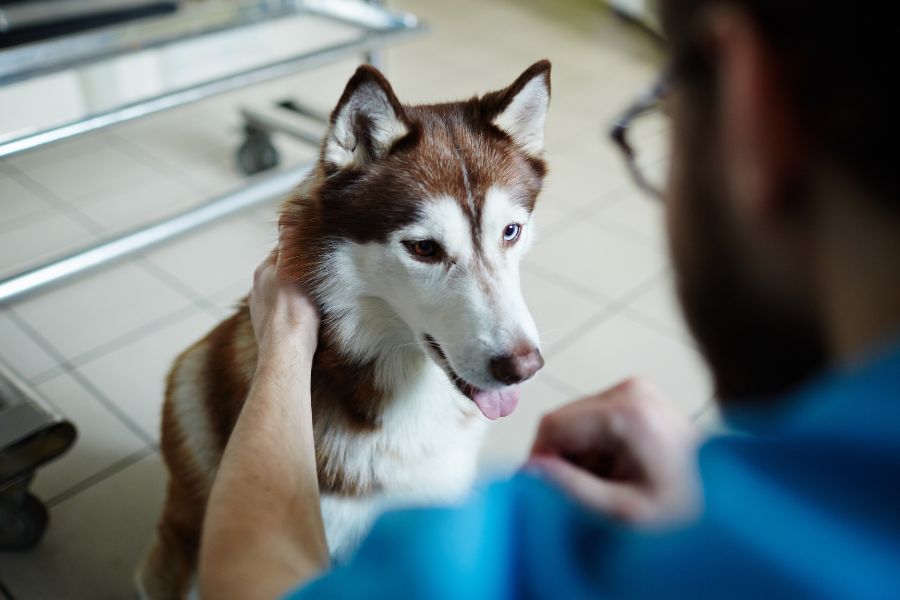
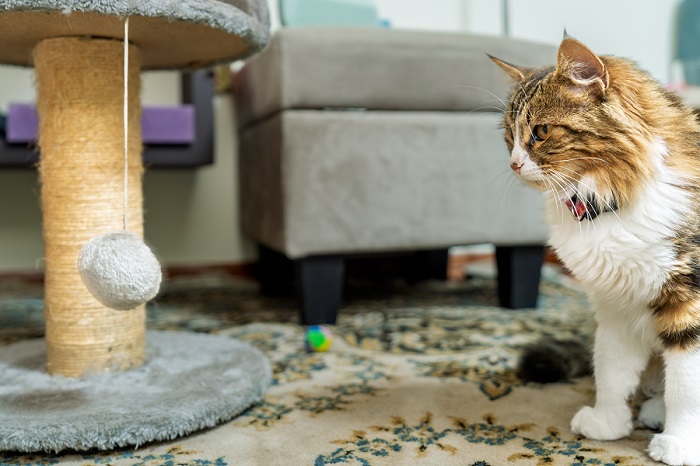
Living in an apartment doesn’t mean you have to compromise on your desire to have a pet. Whether you’re sharing your space with a playful cat, a curious rabbit, or an energetic dog, small-space living can support a fulfilling and comfortable life for pets, with the right strategies in place. The key lies in thoughtful adjustments and understanding your pet’s behavioral and physical needs.
Understand Your Pet’s Needs First
Every pet has a unique personality and set of needs. For instance, cats require vertical space and privacy, while dogs often need a place to stretch out and regular outdoor access. Small mammals and birds also have specific housing and activity requirements.
Before arranging your space, take time to observe your pet’s habits—where they like to rest, how they play, and what stimulates or stresses them. This information will help you structure your apartment in a way that works for both of you.
Maximize Vertical and Hidden Spaces
Small apartments often lack expansive floor areas, but there’s usually untapped vertical space. Tall cat trees, floating shelves, or wall-mounted perches can give cats opportunities to climb and observe their surroundings, which helps them feel more secure.
For dogs, especially smaller breeds, vertical space isn’t as essential, but creative use of corners and under-bed storage can help organize toys, grooming supplies, or pet beds. Choose multi-functional furniture—like ottomans with hidden compartments or elevated beds with storage underneath—to reduce clutter.
Create a Defined Pet Zone
Designating a specific area for your pet offers routine and helps contain messes. This zone can include their bed, food and water bowls, and a small collection of toys. If you live with multiple pets, try to separate their zones to reduce territorial behavior.
For litter-trained pets, such as cats or rabbits, litter box placement is critical. Keep it away from feeding areas and in a spot that’s quiet yet accessible. Regular cleaning is vital in apartments, as odors can quickly become noticeable in tight quarters.
Maintain Consistent Exercise and Mental Stimulation
One of the biggest challenges of apartment living is managing energy levels, especially for active pets like terriers, retrievers, or parakeets. Even in a compact space, regular play sessions can help burn off energy. Use interactive toys, tunnels, or treat puzzles to encourage mental engagement.
Dogs will also need daily outdoor walks. If your apartment lacks a yard, plan structured walks or trips to local parks. For cats, window perches can entertain bird-watching, and leash training might be an option for some.
Keep Noise and Neighbors in Mind
Apartments often mean thin walls and close neighbors. Pets may bark, chirp, or scurry—sometimes at inopportune times. To manage this, create a quiet routine, provide calming enrichment, and consider sound-dampening materials like rugs or wall hangings.
If your pet tends to get anxious when left alone, try leaving on background noise like a TV or soft music. Enrichment tools such as frozen treats or food-dispensing toys can reduce restlessness and noise.
Safety Is a Priority
Apartments often come with hidden risks: balconies, open windows, exposed cords, or small items on the floor. Ensure that all windows have secure screens. If you have a balcony, never leave pets unattended, and use pet-safe barriers if needed.
Keep harmful foods, medications, or plants out of reach. Even items like trash bins should be pet-proofed, especially in kitchens or bathrooms where hazards are more common.
Respect the Lease and Community Rules
Before bringing a pet home, confirm your building’s pet policy. Some apartments have restrictions on species, breed, or size. Others may require deposits or written agreements.
Even if pets are allowed, being a courteous neighbor helps everyone. Clean up after your pet in shared spaces, avoid leaving them alone for long periods if they bark or cry, and always leash dogs in common areas.
Small Changes, Big Impact
Apartment living with pets can be both manageable and enriching with some creativity and consistency. By prioritizing your pet’s emotional and physical well-being, using space efficiently, having preparations to manage disaster, and maintaining cleanliness and routine, you can create a home where both you and your pet thrive.
No matter how small your square footage, your pet’s personality can still shine bright.