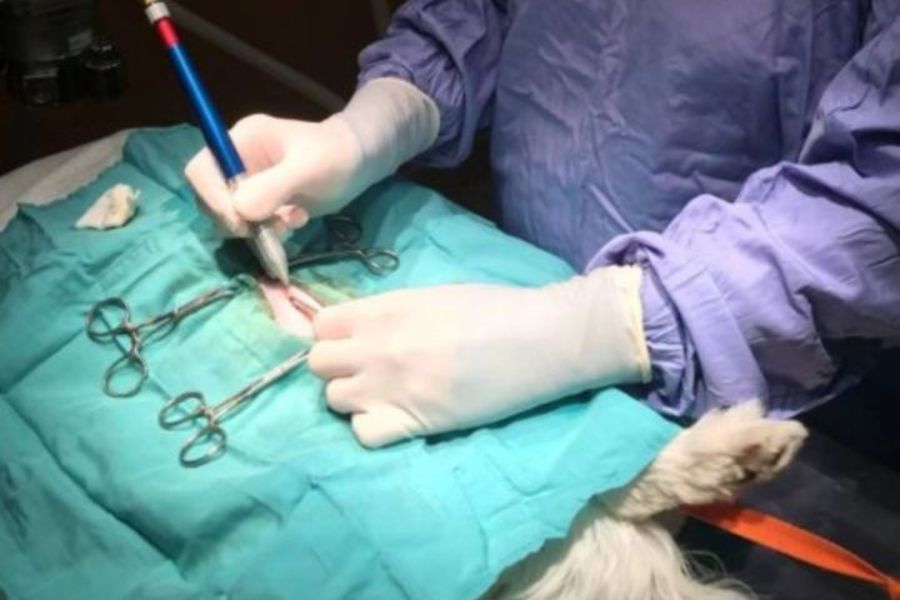

Spaying and neutering are among the most important decisions you will make for your furry companion’s lifelong health and well-being. Many pet owners often wonder about the right time to schedule the procedure.
Too early may not always be ideal, and waiting too long can lead to avoidable health and behavioral issues. This blog will guide you through what spay and neuter mean, how they differ, the best age for cats and dogs, and where to find trusted veterinary services.
What Does Spay & Neuter Mean?
Before diving into the best age, let’s clarify what spay and neuter actually mean.
- Spay: This procedure refers to the surgical removal of a female animal’s ovaries and uterus. By doing so, it prevents unwanted pregnancies and eliminates heat cycles.
- Neuter: Also called castration, neutering involves the removal of a male animal’s testicles. This stops reproduction and can reduce behaviors linked to mating instincts, like roaming or marking territory.
Both procedures fall under the umbrella term “sterilization.” They are safe, routine surgeries performed by licensed veterinarians to improve pets’ quality of life while helping reduce the number of homeless animals.
Spot the Difference: Spay vs. Neuter
It’s easy to confuse the two terms, so let’s make the distinction clear:
| Aspect | Spay (Females) | Neuter (Males) |
| Surgery Focus | Removes ovaries and uterus | Removes testicles |
| Prevents Heat Cycle | Yes | Not applicable |
| Reduces Roaming | To some extent | Significantly |
| Cancer Prevention | Prevents uterine infections and reduces mammary cancer risk | Prevents testicular cancer and lowers prostate problems |
By spotting the difference, you can better understand which procedure your pet needs. Both serve the same purpose of preventing unplanned litter and supporting better health outcomes.
Why Timing Matters for Spay and Neuter
Choosing the right age to spay or neuter your pet is not just about convenience—it directly affects their growth, development, and long-term health. Timing influences everything from bone structure to the likelihood of developing certain diseases. Acting at the recommended stage ensures your cat or dog benefits from the procedure while minimizing risks.
When Can You Spay and Neuter Cats?
Cats are prolific breeders, often becoming sexually mature as early as five months old. Because of this, veterinarians typically recommend spaying or neutering your kitten around five to six months of age.
- Females (Spaying): Spaying before the first heat cycle greatly reduces the risk of mammary tumors and uterine infections later in life.
- Males (Neutering): Neutering male cats at an early age can prevent spraying, roaming, and territorial aggression.
Early-age spaying and neutering (as young as 8 weeks) is possible and often done in shelters to prevent overpopulation. However, your veterinarian will guide you based on your cat’s overall health and weight.
When Can You Spay and Neuter Dogs?
Dogs are a little more complex than cats when it comes to timing, since breed size and development rate play important roles.
- Small Breeds: Small dogs generally reach maturity earlier, so spaying or neutering around 6 months is usually recommended.
- Large Breeds: Larger breeds mature more slowly, so veterinarians may advise waiting until 12 to 18 months. This allows bones and joints to develop properly before altering hormone levels.
Benefits of Spaying Female Dogs Early
- Eliminates the messy heat cycle
- Reduces the risk of mammary cancer and uterine infections
- Helps control overpopulation
Benefits of Neutering Male Dogs Early
- Minimizes aggression and roaming behaviors
- Prevents testicular cancer
- Reduces territorial marking in the house
In every case, your vet will consider your dog’s breed, size, and overall health before suggesting the best timeline.
Health and Behavioral Benefits of Spaying and Neutering
Beyond population control, these procedures bring significant health and behavioral advantages:
- Longer lifespan: Studies show spayed and neutered pets often live longer.
- Disease prevention: Prevents serious reproductive diseases and cancers.
- Better temperament: Reduces aggression, roaming, and destructive behaviors.
- Peace of mind for owners: No surprise litters or stressful heat cycles.
Where to Spay or Neuter Your Pets
Finding a trusted veterinary hospital is just as important as knowing the right age. You want your pet in capable, compassionate hands.
Suppose you are conveniently located in Alexandria, VA, and searching for the best spay & neuter service near me. In that case, Caring Hands Animal Hospital–Alexandria is the right choice for compassionate, advanced, and reliable pet care. Their experienced veterinary team uses state-of-the-art techniques, ensuring a safe and stress-free experience for your beloved cat or dog.
Additionally, many local shelters and rescue organizations provide affordable spay/neuter services, making it easier for every pet owner to do their part in controlling overpopulation.
Preparing Your Pet for Surgery
Before the procedure, your veterinarian will guide you on preparation:
- Fasting instructions: Most pets should not eat for 8–12 hours prior.
Pre-surgery checkup: Ensures your pet is healthy enough for anesthesia. - Comfort items: Bringing a blanket or toy can ease your pet’s anxiety.
Post-surgery, follow all aftercare instructions closely. Rest, limited activity, and monitoring the incision site are key to smooth healing.
Myths vs. Facts About Spaying and Neutering
It’s natural to hear conflicting opinions, but many myths are easily debunked:
- Myth: My pet will gain weight after surgery.
Fact: Weight gain is linked to diet and exercise, not sterilization. - Myth: A female pet should have one litter first.
Fact: Medical research shows no health benefits from having a litter before spaying. - Myth: The surgery is risky.
Fact: Spay/neuter procedures are routine, safe, and performed under anesthesia by licensed veterinarians.
Deciding when to spay or neuter your pet is one of the most responsible choices you can make as a pet parent. Cats typically benefit from being spayed or neutered by 5–6 months, while dogs’ ideal timing depends on their breed and size. By consulting with your veterinarian, you can choose the right moment that ensures your furry friend’s health, happiness, and longevity.
Whether you’re raising a playful kitten or a curious puppy, spaying and neutering at the right age supports a healthier, calmer, and longer life.