Pets can’t tell us when something’s wrong—but their bodies often can. Whether your dog swallows a toy or your cat struggles with dental disease, there may come a point when surgery becomes not just an option but a necessity. But how do you know when that time has arrived? As a pet parent, recognizing the signs and understanding the reasons behind surgical decisions is essential.
Let’s explore the critical moments when veterinary surgery becomes the best route to health, healing, and happiness, from a vet’s professional point of view.
Routine vs. Emergency: Understanding the Types of Pet Surgeries
Not all surgeries are emergencies. Many are planned, preventive, or corrective. Surgeries for pets typically fall into two categories:
1. Elective Surgeries
These include spaying, neutering, and dental cleanings. While not always urgent, these procedures offer long-term benefits like cancer prevention, behavioral improvements, and better quality of life.
2. Emergency Surgeries
These are time-sensitive and potentially life-saving. Examples include surgery for internal bleeding, intestinal blockages, or traumatic injuries. In these situations, swift decisions and fast action are vital.
Understanding which type your pet might need helps reduce fear and ensures you’re prepared when the time comes.
Common Conditions That May Require Surgery
Foreign Body Ingestion
Has your dog eaten socks, rocks, or toys? If yes, you’re not alone. Foreign object ingestion is one of the most frequent surgical cases veterinarians handle. Symptoms may include vomiting, loss of appetite, or abdominal pain. X-rays and ultrasounds confirm the blockage, and surgery is often the only remedy.
Tumors and Lumps
Not all lumps are cancerous, but they should never be ignored. If your vet recommends removal and biopsy, surgery is the best route for diagnosis and treatment. Removing masses early can prevent more serious health issues down the road.
Orthopedic Injuries
Pets with torn ligaments, fractures, or dislocated joints often need orthopedic surgeries. These procedures restore mobility and reduce long-term pain. In some cases, minimally invasive techniques can speed up healing.
Dental Disease
Severe gum infections or decayed teeth can lead to major health problems. Advanced dental disease often requires tooth extractions under anesthesia. Don’t underestimate the power of oral health—it affects your pet’s entire system.
Warning Signs That Surgery May Be Needed
Surgery isn’t always obvious. However, certain signs should prompt you to schedule a veterinary visit immediately:
- Sudden limping or inability to walk
- Vomiting or diarrhea that persists for more than a day
- Difficulty breathing or coughing
- Abdominal bloating or pain
- Visible wounds or bleeding
- Seizures or fainting spells
If your pet shows any of these symptoms, don’t wait. A thorough veterinary exam could reveal an issue that only surgery can fix.
What to Expect Before, During, and After Surgery
Before Surgery
Your vet will conduct blood tests, imaging, and a physical exam to determine if surgery is safe and necessary. For example, the animal hospital Centreville uses advanced diagnostic tools to minimize risk and maximize recovery outcomes.
During Surgery
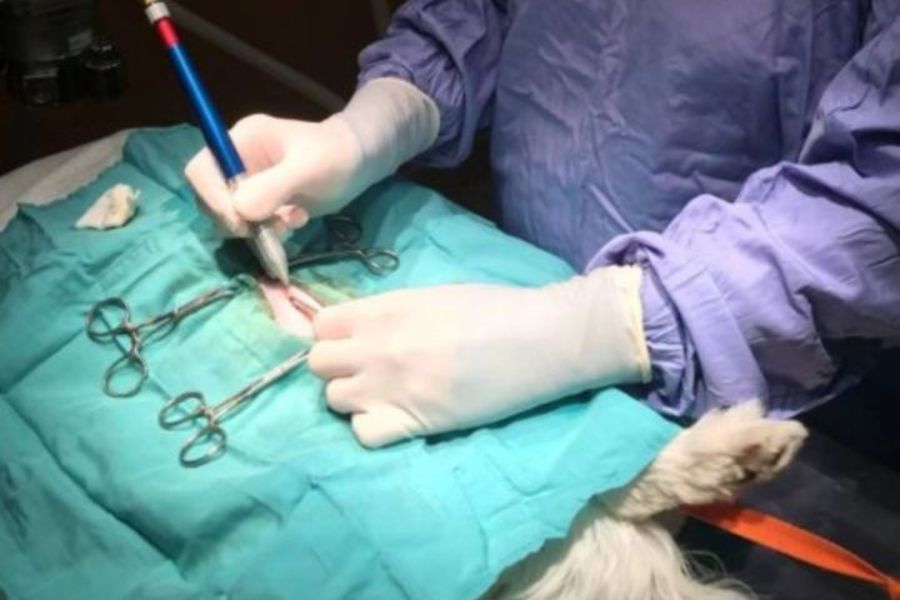
Modern veterinary clinics use anesthesia protocols similar to human medicine. Monitoring tools track heart rate, oxygen levels, and more. An experienced surgical team ensures the highest standards of care.
After Surgery
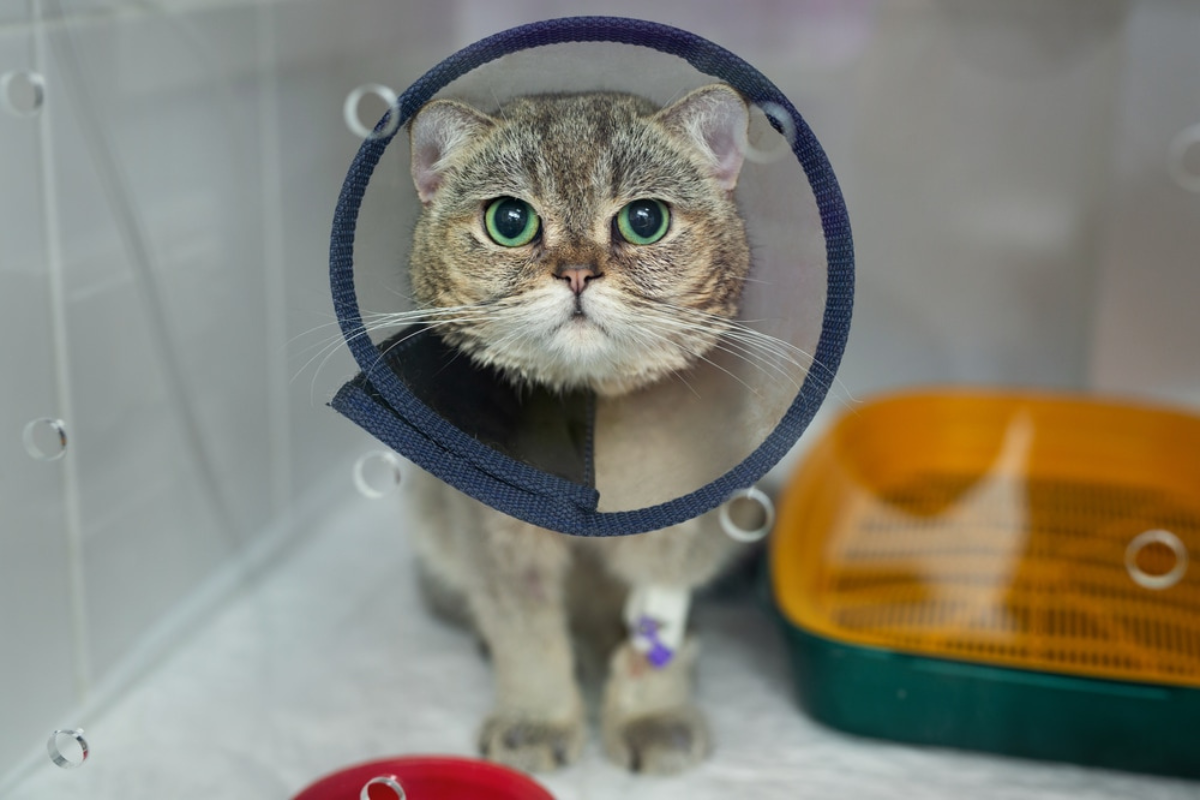
Post-operative care includes rest, medications, and follow-up visits. Your role is vital—keeping your pet calm, limiting activity, and following home-care instructions speeds up healing. Most pets bounce back quickly, especially with proper pain management and nutritional support.
How Vets Decide If Surgery Is the Right Choice
Vets don’t recommend surgery lightly. The decision balances your pet’s age, condition, lifestyle, and overall prognosis. In Centreville, for example, vets in Centreville assess each case using a combination of medical data, experience, and compassion. They also consider less invasive alternatives, such as medication or physical therapy, when appropriate.
Ultimately, the goal is not just to treat a symptom but to improve your pet’s long-term health and quality of life.
Alternatives to Surgery: Are They Effective?
In some cases, surgery isn’t the only route. Depending on the diagnosis, treatments like laser therapy, joint supplements, prescription diets, or rehabilitation exercises can reduce symptoms. However, these are often supportive or temporary.
For example, while arthritis might be managed with pain meds for a while, chronic ligament damage may still require surgical intervention later. That’s why regular checkups and open communication with your vet are crucial.
Being faced with the possibility of surgery for your pet can be stressful. But knowledge empowers you to make the best decisions. When symptoms appear or your vet recommends surgery, don’t delay. Early intervention can save your pet’s life, reduce suffering, and improve their future.
Remember: your pet relies on you to speak up when they can’t. Partnering with a trusted veterinary team ensures they get the care they deserve—whether that’s stitches, scans, or simply support.