When a beloved pet needs surgery, the hardest part for most owners isn’t the drive to the clinic—it’s the silence after drop-off. This guide walks through what a modern surgical suite actually looks like, how open-door animal hospitals communicate with families throughout every stage, and what questions to ask before, during, and after your pet’s procedure.
From pre-operative preparation to post-surgical recovery, transparency at every turn means better outcomes and far less anxiety for everyone.
The Shift Toward Transparent Pet Care
Over the past decade, expectations around animal healthcare have changed dramatically. Pet owners today aren’t simply dropping off an animal and waiting for a phone call—they want to understand the process, ask questions, and stay connected. Open-door veterinary practices have answered that demand by building communication into every step of a surgical visit.
This movement mirrors what happened in human healthcare years earlier: when patients became partners in their own treatment, outcomes improved. The same principle holds for companion animals. A well-informed owner can spot early signs of post-surgical complications, administer medications correctly, and manage recovery with confidence rather than guesswork.
Finding a veterinarian near you who embraces this level of openness is one of the most valuable decisions you can make for your pet’s long-term health.
What a Modern Veterinary Surgical Suite Contains
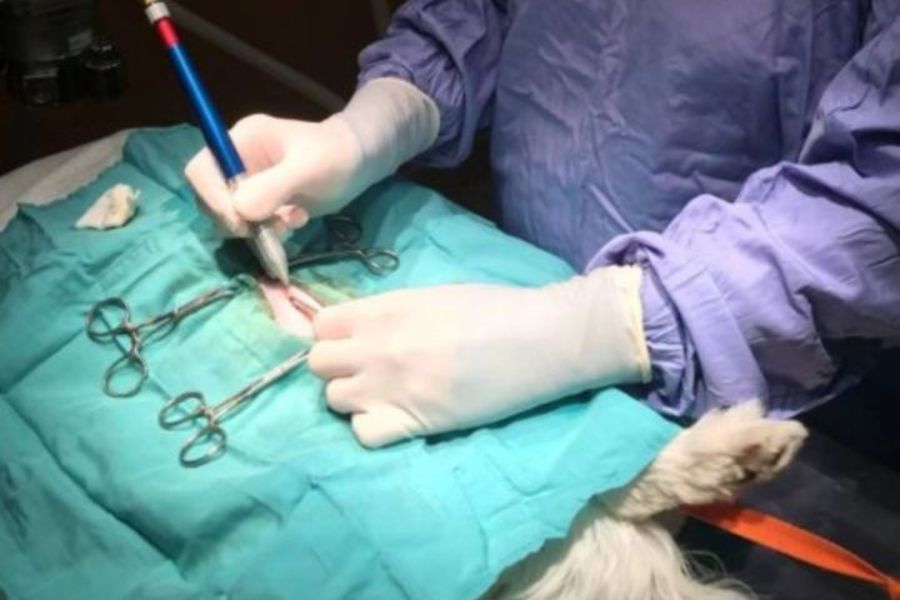
Most people picture a surgical suite as a sterile, mysterious room sealed off from the rest of the building. In reality, contemporary veterinary surgical services are organized, well-equipped spaces designed for safety, precision, and the comfort of both patient and care team.
Standard Equipment
- Anesthesia delivery systems with real-time monitoring of oxygen, heart rate, and breathing
- Electrosurgical units that minimize bleeding during soft-tissue procedures
- Heated surgical tables to maintain safe body temperature throughout
- Pulse oximeters, capnographs, and blood pressure monitors are operating continuously
- Sterile instrument packs are replaced or re-sterilized between every patient
- Emergency crash carts are stocked for rapid response if complications arise
The level of monitoring in a well-run surgical suite rivals what you’d find in many human outpatient facilities. Anesthesia is the most carefully managed phase—a dedicated technician stays at the patient’s side throughout the entire procedure, watching readings and adjusting as needed.
Informed owners aren’t a distraction—they’re the most reliable member of the post-surgical care team.
The Surgical Journey: From Check-In to Recovery
1. Pre-Operative Preparation
Surgery day begins well before the first incision. Most practices require fasting instructions the night before to reduce anesthetic risk. On arrival, a nurse or technician reviews the pet’s medical history, confirms the procedure, and takes baseline vitals. This is also when owners receive the chance to ask any remaining questions—a conversation that transparent practices actively encourage rather than rush through.
Blood work completed before anesthesia helps the care team identify any hidden organ concerns or clotting issues that could influence how they proceed. For older animals or those with existing conditions, this pre-surgical screening is especially important.
2. Intraoperative Monitoring
Once the patient is under anesthesia, the surgical team works with clear role assignments: a surgeon focused entirely on the procedure, and at least one technician dedicated to monitoring vitals. Every data point—blood pressure, end-tidal CO₂, temperature—is logged continuously. Any deviation from safe ranges triggers immediate adjustment.
Open-door practices distinguish themselves here by keeping owners updated in real time. A brief text message confirming anesthesia has gone smoothly, or a quick call once the procedure is complete, costs the team minutes but gives families immeasurable reassurance during an otherwise tense wait.
3. Post-Operative Care and Discharge
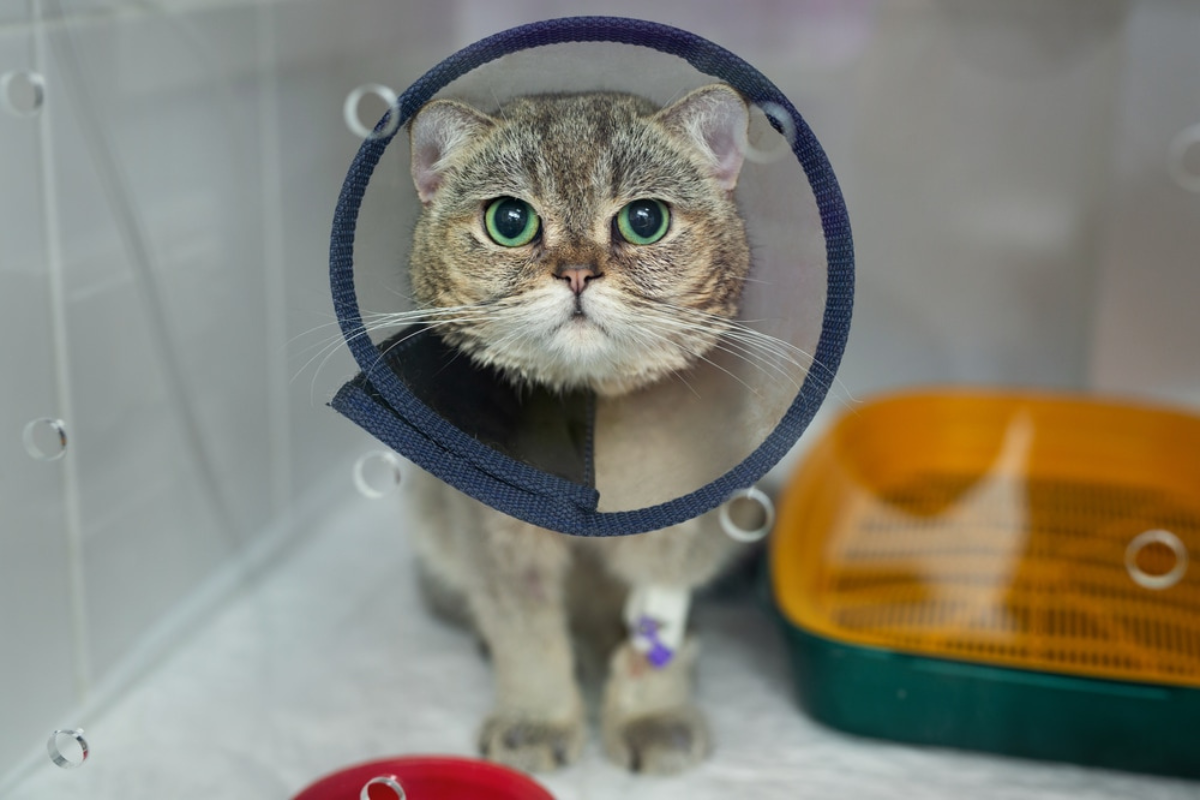
Recovery begins in a dedicated warm, quiet space away from the noise of the main hospital. Staff monitors the animal as anesthesia wears off, managing pain and ensuring stable breathing before any movement back to a recovery ward. Discharge isn’t simply handing over a pet and a bag of medications—it’s a structured conversation.
Good discharge communication covers wound care, activity restrictions, feeding schedules, warning signs to watch for, and a clear timeline for the follow-up visit. Written instructions matter as much as verbal ones; pet owners are processing a lot of information under emotional pressure, and having something to reference at home prevents dangerous misunderstandings.
Why Communication Makes Surgery Safer
Research across both human and animal medicine consistently shows that when caregivers are well-briefed, complication rates drop. Missed medications, premature activity, and ignored wound changes are among the most preventable causes of post-surgical setbacks—and all three trace back to communication gaps at discharge.
Open-door practices invest in that gap by treating the owner as a care partner. Some offer post-operative check-in calls the following morning. Others use client portals where discharge summaries, photos of the wound site, and medication reminders are all accessible in one place. The technology varies, but the principle is consistent: keep the family connected.
Questions to Ask Before Any Pet Surgery
Preparation starts before the day of the procedure. The following questions help owners assess whether a practice’s standards match the level of care their pet deserves:
- Will a dedicated technician monitor anesthesia throughout the entire procedure?
- What monitoring equipment is used, and how are readings documented?
- How will you communicate with me while my pet is in surgery?
- What does your pain management protocol look like post-procedure?
- When and how is the follow-up appointment scheduled?
- What should prompt me to call the clinic after I take my pet home?
A practice comfortable answering all of these without hesitation is a practice invested in your pet’s outcome—not just the procedure itself.
Choosing the Right Practice for Your Pet
Not every animal hospital operates with the same commitment to transparency. When evaluating options, look for a veterinarian near you who actively invites questions, provides written discharge summaries, and makes it easy to reach a team member after hours if something doesn’t look right.
Accreditations from organizations like the American Animal Hospital Association (AAHA) signal that a practice meets rigorous standards across facilities, staffing, and protocols. These evaluations aren’t mandatory, so clinics that pursue them voluntarily are signaling something about their values.
Location matters for routine care, but for surgical procedures, it’s worth extending your search radius to find a team whose communication standards and equipment match the seriousness of the procedure.
Conclusion
Surgery is never a casual decision for a pet owner, and the best animal hospitals understand that the emotional experience matters as much as the clinical outcome. Open-door practices—those that communicate proactively, explain every stage clearly, and treat owners as partners in recovery—don’t just reduce anxiety. They produce healthier animals, fewer complications, and families who feel genuinely supported through one of the hardest moments of pet ownership.
If you’re located in Centreville, Virginia, and looking for that standard of care, Caring Hands Animal Hospital – Centreville brings together compassionate, experienced surgeons and a team that believes transparency is part of the treatment—right where your community needs it most.
Frequently Asked Questions(FAQs):
1. How do I prepare my pet for surgery the night before?
A: Most practices require fasting from food after midnight to reduce the risk of aspiration under anesthesia. Water is usually allowed until a few hours before arrival. Your care team will provide specific instructions based on the procedure and your pet’s health history.
2. Will my pet feel pain during or after the procedure?
A: Modern anesthetic protocols are designed to prevent pain during surgery entirely. Post-operative pain management typically includes injectable medications given at the clinic plus oral pain relief sent home, tailored to your pet’s size, age, and the complexity of the procedure.
3. How long does recovery from pet surgery typically take?
A: Recovery varies widely depending on the procedure. Soft-tissue surgeries like spays or neuters often allow a return to normal activity within 10–14 days. Orthopedic surgeries may require 6–8 weeks of restricted movement. Your discharge paperwork will include a specific timeline for your pet.
4. What warning signs after surgery should prompt an immediate call to the vet?
A: Contact your care team right away if you notice excessive swelling or redness at the incision site, discharge with an unusual odor, prolonged lethargy beyond 24 hours, refusal to eat for more than a day post-surgery, or any labored breathing or pale gums.
5. Is it safe to leave my pet alone during surgical recovery?
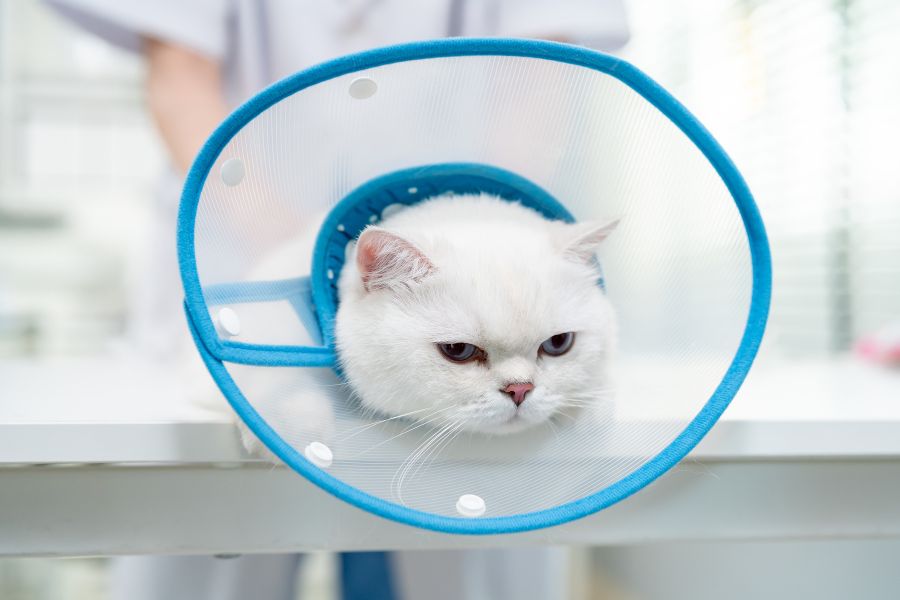
A: For the first 12–24 hours, constant supervision is ideal. After that, most pets can be left for a few hours as long as they are confined to a safe, quiet space that prevents jumping or running. An e-collar should remain in place whenever you can’t directly observe them.
6. Can I be present in the surgical suite with my pet?
A: Most practices do not allow owners in the surgical suite during a procedure due to sterility requirements, but open-door hospitals find other ways to maintain connection—real-time text updates, pre-surgery consultations, and detailed post-procedure debriefs are common alternatives that keep you fully informed.