Many pets become nervous during clinic visits, yet the warning signs are often misunderstood as normal behavior. Anxiety can appear through physical reactions, unusual habits, or changes in personality before, during, and after appointments. Some pets become withdrawn, while others act restless or overly alert.
Recognizing these signals helps improve comfort, trust, and long-term health outcomes. This guide explains five common signs of overlooked pet anxiety, how stress affects future appointments, and what pet owners can do to create calmer experiences. Supportive routines and familiar environments can make a difference for pets and their families in Centreville.
Why Pet Anxiety Deserves Attention
Fear during medical visits can influence your pet’s emotional and physical health. Dogs and cats may associate carriers, examination rooms, or unfamiliar smells with discomfort. Repeated stress can lead to shaking, digestive upset, or defensive reactions.
Awareness encourages better communication between pet owners and care teams. Calm appointments allow more accurate examinations and reduce emotional strain. Many families also benefit from consistent pet wellness care that focuses on prevention, comfort, and behavioral understanding.
1. Sudden Changes in Body Language
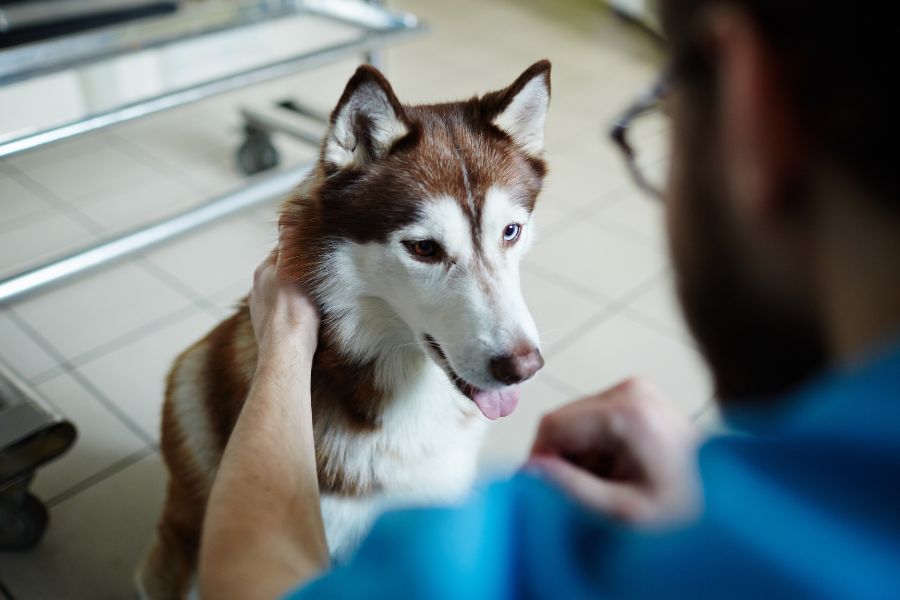
Body language often reveals anxiety before obvious symptoms appear. A tucked tail, flattened ears, lip licking, or stiff posture may signal discomfort. Some pets avoid eye contact or freeze during simple interactions. Owners sometimes mistake these reactions for calm behavior.
Cats may crouch low inside carriers or press against corners in waiting areas. Dogs may pace constantly or lean heavily against their owners. These reactions can intensify if fear continues during future visits.
How to Help
Bring familiar blankets or toys during appointments. Calm praise and quieter scheduling may help pets feel more secure.
2. Excessive Vocalization or Silence
Anxious pets often express distress through unusual sounds. Whining, barking, growling, meowing, or yowling may increase during travel or examinations. Some animals react differently and become unusually silent.
Silence can indicate fear instead of relaxation. A normally energetic dog that suddenly stops responding or a social cat that hides quietly may feel overwhelmed. Emotional shutdown is commonly overlooked because owners assume the pet is finally calm.
Signs Owners Miss
Heavy panting, drooling, trembling, and refusal to accept treats may appear alongside vocal changes.
3. Refusing Car Rides or Carriers
Many pets begin showing anxiety long before arriving at the clinic. Resistance to entering the car or carrier often develops after stressful experiences. Some dogs hide when they hear car keys. Cats may scratch or refuse to enter carriers completely.
Avoid forcing pets into stressful situations whenever possible. Leaving carriers open at home with soft bedding and treats can reduce fear responses over time.
Creating Better Associations
Short practice drives without appointments may help reduce travel anxiety.
4. Aggression That Appears Out of Character
Fear-based aggression is frequently misunderstood. A friendly pet may snap, hiss, growl, or resist touch when feeling trapped or overstimulated. Pain, unfamiliar surroundings, and loud noises can intensify defensive reactions.
Punishment usually increases fear and damages trust. Calm handling and slower introductions help reduce emotional pressure. Pets need space to process unfamiliar situations without feeling cornered.
Building Trust During Visits
Consistent handling techniques and gentle interactions can improve cooperation.
5. Changes After Returning Home
Post-visit behavior can reveal overlooked anxiety. Some pets sleep excessively, avoid interaction, hide, or refuse food after appointments. Others become clingy or restless.
Long-lasting anxiety can affect sleep patterns, appetite, and social behavior. Pets that repeatedly experience fear may become harder to examine during future visits.
Owners should monitor recovery after every appointment.
Helping Pets Feel Safer
Preparation plays an important role in reducing stress. Familiar scents, reward-based handling, and calm transportation routines support positive experiences.
At Caring Hands Animal Hospital, we focus on compassionate support, handling, and personalized attention designed to reduce stress during every stage of your pet’s visit. Booking an appointment early allows our team to understand your pet’s comfort needs before concerns become more serious.
Conclusion
Recognizing anxiety can improve your pet’s comfort, behavior, and health experience. Small behavioral changes often reveal emotional stress before severe reactions appear. Supportive care and positive routines help pets feel safer during future visits. If you are located in Centreville, reach out to our caring team, where compassionate service and community-focused support come together to protect your pet’s well-being.
Frequently Asked Questions(FAQs):
1. Can pets develop anxiety from repeated clinic visits?
A: Yes. Negative experiences, loud environments, unfamiliar smells, and rough handling may create fear over time. Positive reinforcement, calm transportation, and supportive interactions can help reduce stress connected to future appointments.
2. Why does my dog shake before appointments?
A: Shaking may indicate fear, overstimulation, or anticipation linked to previous experiences. Dogs often recognize travel routines connected to clinic visits. Gentle reassurance and practice trips can improve comfort levels gradually.
3. Is hiding after a visit normal for cats?
A: Some cats hide temporarily after stressful events because they feel overwhelmed or overstimulated. Extended hiding, appetite loss, or aggressive behavior may suggest unresolved anxiety that deserves additional attention and support.
4. Can anxiety affect my pet’s physical health?
A: Yes. Ongoing stress may influence appetite, digestion, sleep, heart rate, and behavior. Anxiety can also make examinations more difficult, limiting accurate observations during appointments and delaying early detection of health concerns.
5. What helps pets stay calmer during travel?
A: Soft bedding, familiar scents, secure carriers, quiet music, and reward-based training often improve travel experiences. Short practice drives without appointments can also help reduce fear associated with transportation routines.
6. When should I discuss anxiety with my pet care team?
A: Speak with your care provider if your pet shows trembling, hiding, aggression, excessive vocalization, refusal to travel, or behavioral changes after appointments. Early conversations help create safer and more comfortable experiences.