A yearly wellness exam is one of the simplest ways to keep a dog or cat healthy for years longer. Dogs who spend afternoons along the waterfront and cats perched on a favorite windowsill live full, active lives, and small shifts in weight, energy, or behavior are easy for an owner to miss day to day.
This guide covers what a wellness exam actually includes, why annual visits catch problems while they’re still small, how a pet’s neighborhood and daily routine shape its risk factors, and how often puppies, kittens, and senior pets should be seen.
What a Wellness Exam Actually Covers
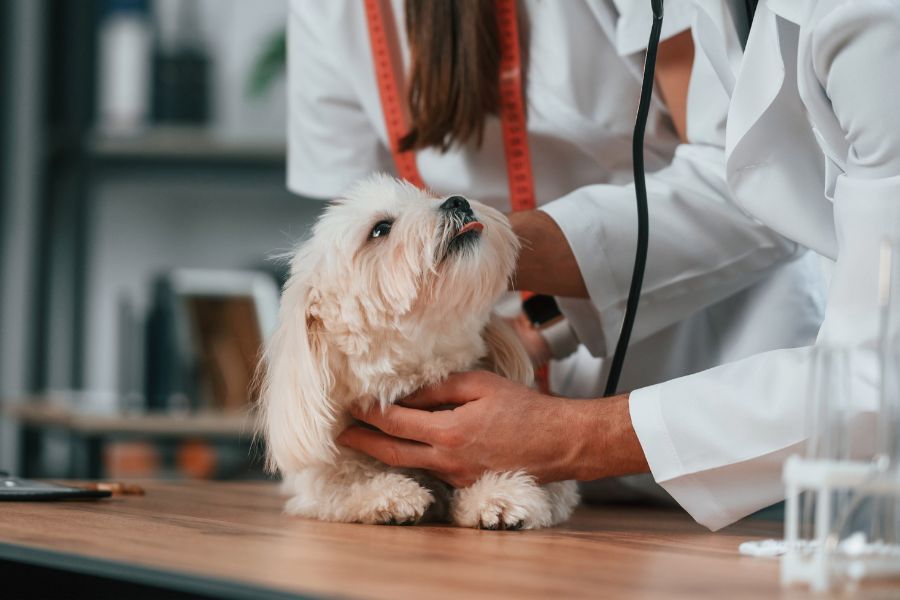
At Caring Hands Animal Hospital- Alexandria, a wellness visit starts with a full history: how a pet is eating, sleeping, playing, and behaving at home. From there, our team performs a nose-to-tail physical exam, checking heart and lung sounds, joint mobility, skin and coat condition, ears, eyes, and abdomen.
That hands-on exam is paired with age-appropriate bloodwork, parasite screening, and a vaccination review tailored to a pet’s actual lifestyle. A dog that visits off-leash parks has different exposure risks than an indoor-only cat, so the plan is built around the individual pet rather than a generic checklist.
A typical wellness exam includes:
- A complete physical examination from nose to tail
- Weight and body condition scoring
- Heartworm, flea, and tick screening
- Bloodwork and urinalysis for pets over age seven, or sooner for certain breeds
- Nutrition and weight management guidance
- A conversation about behavior and daily routine
Why Yearly Visits Matter More Than People Think
Dogs and cats age faster than people, and a lot can change in twelve months. A wellness exam functions as an early-detection system rather than a routine formality. Catching a heart murmur, a thyroid change, or the first signs of arthritis early almost always means simpler, less expensive treatment and more comfortable years for the pet.
Many of the conditions that become serious later in life, like kidney disease or dental disease, show few obvious signs at home until they’ve already progressed. A veterinarian who examines the same pet every year is positioned to notice the difference between “a little older” and “something worth investigating.”
Local Considerations for Pets Near the Potomac
Alexandria’s mix of urban density and green space, from Founders Park to the Mount Vernon Trail to Ben Brenman Park, means local patients see a wide range of exposure: other dogs at nearby dog parks, wildlife along the trails, and everyday wear on paws and joints from city sidewalks. A wellness plan built around that reality accounts for parasite exposure near the water, socialization risks at busy dog parks, and the joint strain that comes with an active, walkable neighborhood.
Puppies, Kittens, and Seniors Need Different Schedules
Younger pets need more frequent visits while their immune systems and vaccination series are still developing, typically every three to four weeks until they reach four months old. Adult dogs and cats generally do well with one wellness visit a year.
Senior pets, usually seven and up for dogs and ten and up for cats, benefit from twice-yearly visits, since health changes tend to progress faster later in life. A senior wellness plan often adds bloodwork, blood pressure checks, and a closer look at joint health and cognitive changes.
What Happens When a Visit Gets Skipped
Missing a year rarely causes an immediate problem, but it removes the baseline a veterinarian relies on to spot change. Weight gain, a new heart murmur, or a slow decline in mobility are much easier to catch against last year’s numbers than to diagnose cold. Pets are also skilled at masking discomfort, since hiding weakness is an instinct left over from life in the wild.
By the time a limp or appetite change is obvious at home, the underlying issue has often been developing for months. Our team’s pet wellness plans are built specifically to close that gap for older pets who need closer monitoring.
Scheduling a Wellness Visit
New patients are welcome, and our team makes it easy to stay on schedule with appointment reminders and easy communication by phone or picture message. If it’s been more than a year since a checkup, now is a good time to get back on track. Contact our team or use online scheduling to reserve a wellness exam that fits your calendar.
Frequently Asked Questions
1. How long does a wellness exam take?
A: Most wellness visits run 30 to 45 minutes, depending on whether bloodwork or additional screening is needed. Puppy and kitten visits sometimes take a bit longer to cover vaccination schedules and early behavior questions.
2. At what age should a puppy or kitten have their first exam?
A: A first wellness visit should happen around six to eight weeks old, when the vaccination series typically begins. Follow-up visits every three to four weeks continue until around sixteen weeks.
3. Do indoor-only cats still need annual exams?
A: Yes. Indoor cats are still at risk for dental disease, obesity, kidney issues, and age-related changes that don’t show obvious symptoms until they’ve progressed. Annual exams catch these early.
4. Is bloodwork necessary every year?
A: Bloodwork isn’t required at every visit for young, healthy pets, but it becomes more valuable starting around age seven, when organ function and hormone levels can shift gradually.
5. What if my pet seems perfectly healthy?
A: Many conditions develop with no visible symptoms in the early stages. A wellness exam is designed to catch those changes before they become noticeable at home, not just to confirm a pet is fine.
How often should senior pets be seen?
Twice a year is generally recommended for dogs seven and older and cats ten and older, since health changes can progress more quickly in the second half of a pet’s life.