Pets often leave us puzzled with their behaviors, and drooling is one of those moments that makes many owners stop and wonder. While occasional drooling may not be alarming, sudden or excessive drooling can raise red flags. The challenge lies in knowing whether the culprit is heat, stress, or sickness. By understanding the potential triggers, you can act quickly to keep your pet safe and healthy.
When Heat Waves Lead to Wet Whiskers
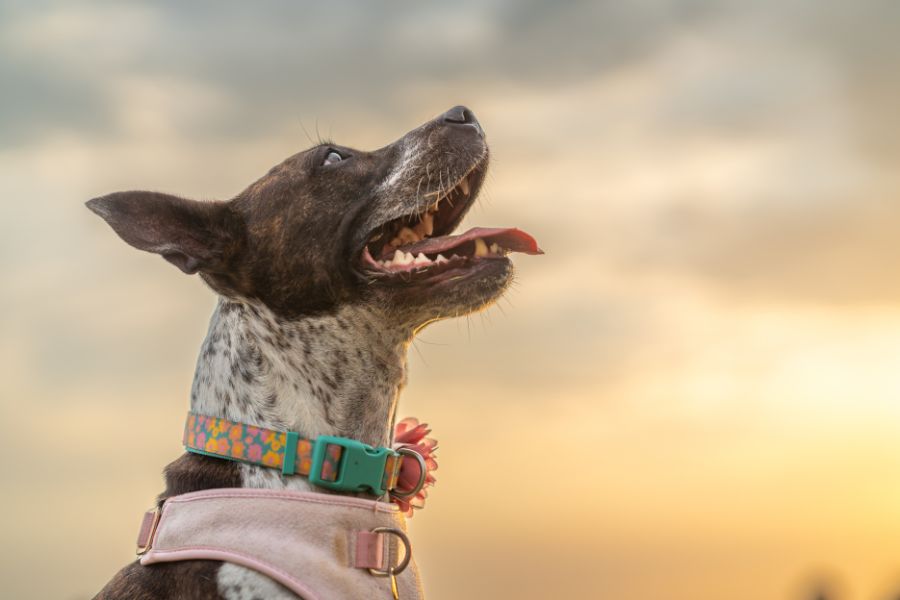
One of the most common causes of sudden drooling in pets is overheating. Just like humans, pets can struggle in high temperatures. Dogs, in particular, use panting and drooling to regulate their body temperature. On sweltering days, you may notice strings of saliva forming more often than usual.
However, excessive drooling can signal the early stages of heat exhaustion or even heatstroke. If your pet is restless, panting heavily, or appears lethargic, drooling may be their body’s cry for help. Cooling them down immediately and providing water are essential steps. If their condition worsens, contacting a vet without delay is crucial.
Stress Can Turn Calm Pets into Drooling Machines
Drooling is not always linked to the weather. Emotional triggers, especially stress and anxiety, can cause a pet’s salivary glands to go into overdrive. Imagine a thunderstorm booming outside, fireworks rattling the windows, or a car ride that brings uncertainty. In these moments, your pet may drool excessively due to nervous anticipation.
Transitioning them into a calmer environment, playing soft music, or using calming sprays may help reduce stress-induced drooling. If the drooling continues even after the stressful event ends, this could be a clue that something deeper is happening within their body.
Sickness Hiding Behind the Saliva
Sometimes, sudden drooling is not about heat or stress but about sickness lurking beneath the surface. Pets can suffer from oral injuries, dental disease, or ingestion of harmful substances. Something as small as a lodged splinter in the gum or as serious as poisoning from toxic plants can lead to streams of saliva.
Drooling linked to sickness often comes with other telltale signs. Watch for vomiting, refusal to eat, pawing at the mouth, or changes in behavior. These signals usually mean it’s time to schedule a checkup. A professional evaluation can reveal whether the issue is minor or requires urgent care. For instance, pet owners searching for a vet in Alexandria may find immediate support to diagnose and treat such conditions.
Hidden Triggers: Allergies, Nausea, and More
While heat, stress, and illness are major culprits, there are additional triggers worth noting. Allergic reactions, whether from food or insect bites, can stimulate extra drool. Nausea, caused by motion sickness during car rides or gastrointestinal upset, is another frequent reason.
Sometimes, even medication side effects can result in unusual drooling. Paying attention to recent changes in your pet’s environment or routine can help you connect the dots. If uncertainty lingers, reaching out to a trusted veterinarian can provide peace of mind and professional clarity.
How to Respond When Drooling Strikes Suddenly
When you notice excessive drooling, the first step is observation. Look for environmental factors—did your pet just come in from the blazing sun? Was there a sudden loud noise? Did they sneak a bite of something unusual? Transitioning from observation to action helps narrow down the cause.
- Check the mouth: Look for stuck objects, injuries, or swelling.
- Monitor behavior: Is your pet restless, lethargic, or showing signs of pain?
- Cool them down: If heat is suspected, move them to a shaded or air-conditioned area.
- Offer fresh water: Hydration often helps alleviate heat or stress-related drooling.
- Contact a vet: If symptoms persist, worsen, or come with vomiting, seizures, or collapse, seek professional help immediately.
Prevention: Keeping Drool at Bay
While not all drooling is preventable, many triggers can be managed with a proactive approach.
- Provide shade and water during hot days to prevent overheating.
- Maintain regular dental care through brushing and checkups to catch oral issues early.
- Create calming routines to minimize stress during thunderstorms, car rides, or noisy events.
- Pet-proof your home to reduce risks of toxin exposure or accidental ingestion.
Prevention does not mean eliminating drooling, but it can reduce the chances of sudden, alarming episodes.
Drooling can be a harmless quirk or a warning sign of something serious. Heat, stress, and sickness are three primary triggers, but only careful observation and timely action can reveal the real cause. As a pet owner, your vigilance can make the difference between a minor episode and a life-threatening situation.
If sudden drooling leaves you uncertain, don’t ignore it. Whether the cause is external stress, sweltering weather, or hidden illness, early intervention ensures your pet receives the care they deserve.