
Traveling with pets can be a rewarding experience when done right. Whether you’re heading out on a road trip or catching a flight, bringing your pet along requires preparation and consideration to ensure their safety and comfort. This guide outlines practical tips to help make your journey smooth for both you and your animal companion.
1. Know the Rules and Regulations
Before you make travel arrangements, check the travel requirements related to pets:
- Air Travel: Each airline has its pet policy, which includes rules about cabin vs. cargo transport, crate sizes, and documentation. Check these in advance and confirm if your pet can travel with you in the cabin or must be transported properly in a separate way.
- When you’re planning to travel internationally, don’t forget that your furry friend might need a pet passport, a health certificate, and proof of their vaccinations.
- Quarantine rules vary by country, so check local regulations weeks or months ahead of your trip.
- Hotels and Accommodations: Not all lodging options allow pets. Before you make any plans, be sure to check if pets are welcome and ask about any size or breed limitations.
2. Visit the Veterinarian
Before you hit the road, make sure to schedule a check-up with your veterinarian. This way, you can be confident that your pet is fit for travel and up to date on all their vaccinations. If you’re flying, keep in mind that many airlines will ask for a health certificate issued within 10 days of your departure. Also, it’s a good idea to talk about any medications your pet might need for motion sickness, anxiety, or just to keep them feeling their best.
3. Identification and Microchipping
Make sure your pet is wearing a collar with an up-to-date ID tag that includes your name, phone number, and address. Microchipping adds an extra layer of security in case your pet gets lost. Carry a recent photo of your pet as well, which can help if you need to create a lost pet poster or prove ownership.
4. Choose the Right Travel Crate or Carrier
A well-ventilated, sturdy crate or carrier is essential for safety. The crate should be roomy enough for your pet to stand, turn around, and lie down comfortably.
Make the space familiar by including a blanket or a favorite toy. If you’re traveling by car, secure the crate to prevent movement during the trip.
5. Practice Before the Trip
If your pet isn’t used to traveling, take some short practice runs in the car to help them adjust. Let them spend time in their crate or carrier at home so they associate it with a calm and safe space.
6. Packing Essentials for Your Pet
Create a travel bag for your pet that includes:
- Food and water
- Collapsible bowls
- Leash and harness
- Waste bags and litter supplies
- Medications
- Medical records
- Toys and blankets for comfort
Keep everything easily accessible during the journey, especially if you’re driving.
7. Plan for Breaks and Exercise
If you’re traveling by car, schedule breaks every 2–3 hours so your pet can stretch, relieve themselves, and have water. Use rest areas or designated pet-friendly zones and always keep your pet leashed when outside the vehicle.
8. Keep Your Pet Safe in the Vehicle
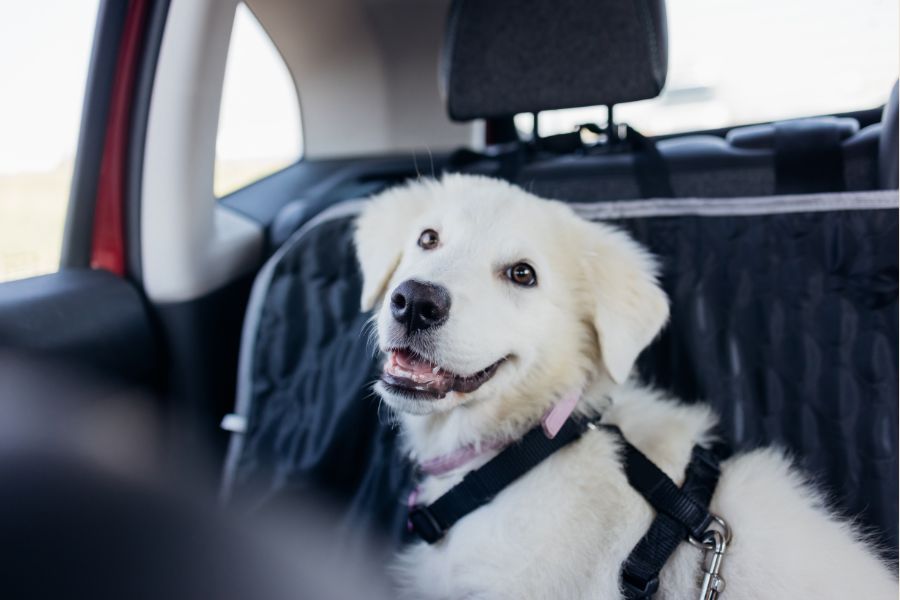
Never allow your pet to roam freely in the car. They can become a distraction or be injured in case of sudden stops. Secure your pet in a crate or use a pet seatbelt harness. Also, never leave pets alone in a parked car, especially during warm weather, as temperatures can rise quickly to dangerous levels.
9. Air Travel Considerations
For flying, confirm whether your pet will be in the cabin or the cargo hold. If your pet must fly in the cargo area, choose direct flights when possible to reduce the chance of delays and transfers. Label the crate clearly with your contact information and feeding instructions.
10. Keep Calm and Observe Behavior
Pets can pick up on their owner’s stress. Try to remain calm and speak to them in a reassuring voice. Watch for signs of distress such as excessive panting, whining, or hiding. The crate needs to be spacious enough for your pet to stand up, turn around, and lie down comfortably.
11. Arrival and Settling In
Make sure the crate is big enough for your pet to stand, turn around, and lie down without feeling cramped. Set up a designated spot with their bed or crate, toys, and water. Keep their feeding and walking routine as close to normal as possible to help them settle in.
Traveling with pets requires planning and attention to detail, but it’s completely manageable with the right approach. By preparing properly and considering your pet’s needs, you can ensure a safe and comfortable journey that’s enjoyable for everyone involved. Whether by car, plane, or train, a little foresight goes a long way in making your pet’s travel experience smooth and stress-free.