
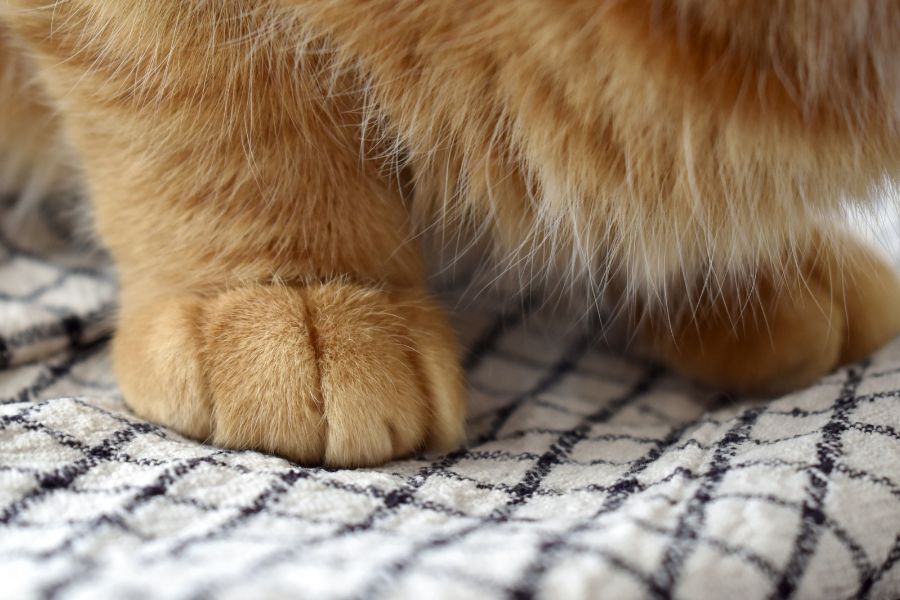
Cats rely on their claws every day for balance, stretching, climbing, play, and self-defense. Proper cat claw care helps protect your pet’s health while reducing damage to furniture, carpets, and household items. Many cat owners wonder how often to trim claws, whether scratching is normal, and how to prevent painful nail problems.
Understanding the purpose of claws and learning the right maintenance techniques can make life easier for both you and your cat. This guide covers everything from nail trimming and scratching behavior to warning signs of claw-related issues, safe home care practices, and when professional help may be needed.
By following these practical recommendations, you can support healthy paws, encourage natural behaviors, and keep your cat comfortable throughout every stage of life.
Why Cat Claw Care Matters
A cat’s claws are much more than sharp nails. They play a vital role in daily activities and overall well-being.
Healthy claws help cats:
- Maintain balance and mobility
- Climb safely
- Stretch muscles and tendons
- Mark territory through scratching
- Protect themselves when necessary
- Grip surfaces during movement
Neglected claws can become overgrown, split, broken, or even grow into the paw pads. Regular maintenance helps prevent discomfort and reduces the risk of injuries.
Understanding Normal Scratching Behavior
Many owners assume scratching is a behavioral problem. In reality, scratching is a completely instinctive behavior.
Cats scratch to:
- Remove old nail sheaths
- Stretch their bodies
- Mark territory visually and through scent glands
- Relieve stress and boredom
- Maintain claw condition
Punishing a cat for scratching often creates anxiety without solving the problem. The goal should be redirecting scratching behavior to appropriate surfaces.
Choosing the Right Scratching Posts
Not all scratching posts appeal to every cat.
Consider offering:
- Vertical scratching posts
- Horizontal scratchers
- Sisal-covered surfaces
- Cardboard scratchers
- Carpet-free scratching options
Place scratching surfaces near sleeping areas and locations where your cat already likes to scratch.
How Often Should You Trim Your Cat’s Claws?
Most cats benefit from nail trimming every two to four weeks. The exact schedule depends on age, activity level, and claw growth.
Indoor cats often need more frequent trims because they experience less natural wear than outdoor cats.
Signs your cat may need a trim include:
- Claws catching on fabrics
- Audible clicking on hard floors
- Visible overgrowth
- Increased scratching damage
Regular inspections help identify when trimming is necessary.
The Safe Way to Trim Cat Nails
Learning how to trim a cat’s nails safely can prevent stress and injury.
Step 1: Choose the Right Time
Select a calm moment when your cat is relaxed. After a meal or nap often works well.
Step 2: Use Proper Nail Clippers
Cat-specific nail trimmers provide better control and precision than standard household scissors.
Step 3: Identify the Quick
The pink area inside the nail contains blood vessels and nerves. Avoid cutting into this section.
Step 4: Trim Only the Sharp Tip
Remove only the curved, pointed end of the claw.
Step 5: Reward Your Cat
Offer treats, praise, or playtime after each session to create positive associations.
If your cat becomes stressed, trim only a few nails at a time rather than forcing a complete session.
Common Cat Claw Problems
Regular claw checks help identify problems before they become serious.
1. Overgrown Claws
Overgrown nails may curl and press into the paw pads, causing pain and infection.
2. Broken or Split Nails
Accidents, rough play, or snagging can result in cracked claws that require attention.
3. Ingrown Nails
Senior cats are especially vulnerable to nails growing into surrounding tissue.
4. Nail Bed Infections
Redness, swelling, discharge, or limping may indicate infection.
Any of these issues should be evaluated promptly to prevent complications.
Should Cats Use Nail Caps?
Soft nail caps are an option for some households.
Potential benefits include:
- Reduced furniture damage
- Lower risk of scratches
- Temporary protection during training
Nail caps should be applied correctly and monitored regularly. They are not a replacement for routine claw maintenance.
Why Declawing Is Not Recommended
Many pet professionals discourage declawing because the procedure removes part of the toe bone rather than simply removing the nail.
Potential long-term concerns include:
- Chronic discomfort
- Mobility changes
- Behavioral problems
- Increased stress
- Litter box avoidance
Providing scratching alternatives and regular nail trims offers a more humane solution for most cats.
Supporting Healthy Claws Through Overall Care
Good claw health is connected to overall wellness.
Helpful habits include:
- Feeding a balanced diet
- Maintaining a healthy weight
- Encouraging regular exercise
- Providing climbing opportunities
- Scheduling routine wellness visits
Senior cats may need additional monitoring because reduced activity can contribute to nail overgrowth.
When to Seek Professional Help
Some cats resist nail trims despite gradual training. Others may develop claw conditions that require professional attention.
Seek assistance if you notice:
- Bleeding nails
- Swelling around the claws
- Persistent limping
- Ingrown nails
- Signs of pain
- Sudden changes in scratching behavior
Early intervention often prevents more serious problems and keeps your cat comfortable.
Helping Your Cat Thrive With Proper Claw Care
Managing your cat’s claws does not have to be difficult. A combination of regular nail trimming, appropriate scratching surfaces, routine inspections, and preventive care can keep your cat healthy and happy. Understanding that scratching is a natural behavior allows owners to work with their cat’s instincts rather than against them.
Small, consistent efforts make a significant difference in paw health and household harmony. By staying proactive, you can reduce the risk of claw-related injuries while supporting your cat’s physical and emotional well-being for years to come.
Caring for Cats
If you’re in Clarendon and want personalized guidance on nail trimming, paw health, or preventive cat care, our team is here to help. Whether your cat needs a routine claw assessment or a complete wellness check, don’t wait for small issues to become painful problems. Book an appointment today and give your cat the professional care needed for healthy claws and comfortable paws year-round.
Frequently Asked Questions(FAQs):
1. How often should I trim my cat’s nails?
A: Most cats need nail trims every two to four weeks. Indoor cats usually require more frequent trimming because their claws experience less natural wear compared to cats that spend time outdoors.
2. Is scratching furniture a sign of bad behavior?
A: No. Scratching is an instinct that helps cats maintain their claws, stretch muscles, relieve stress, and mark territory. Providing suitable scratching posts is the best solution.
3. Can overgrown cat claws cause health problems?
A: Yes. Overgrown claws can curl into paw pads, cause pain, affect walking, and increase the risk of infection. Routine inspections help identify problems before they worsen.
4. What should I do if I accidentally cut the quick?
A: Apply styptic powder or a pet-safe clotting product to stop bleeding. Stay calm and comfort your cat. Contact a professional if bleeding continues unexpectedly.
5. Are nail caps safe for cats?
A: Nail caps are generally safe when applied correctly and monitored regularly. They can reduce scratching damage, but should not replace routine claw maintenance and nail trimming.
6. When should I schedule a professional claw examination?
A: Schedule an evaluation if you notice swelling, bleeding, limping, broken nails, ingrown claws, unusual pain, or sudden changes in your cat’s scratching habits.