No pet owner ever expects to hear that their dog or cat needs intensive care. One moment, your companion may seem perfectly normal, and the next, they could be facing a medical emergency that requires constant monitoring and immediate treatment. While this can be an emotional and uncertain experience, knowing what happens in an intensive care unit (ICU) can help ease some of the stress.
At Caring Hands Animal Hospital – Ashburn, our intensive care team is dedicated to supporting pets through critical illnesses, traumatic injuries, and complex recoveries with advanced medical care and compassionate attention. Unlike routine hospitalization, intensive care focuses on patients whose conditions can change rapidly and require frequent evaluation to ensure they remain stable.
If you’re searching for trusted intensive care in Ashburn, understanding how an ICU works can help you feel more prepared should your pet ever need this specialized level of care.
What Is Veterinary Intensive Care?
Veterinary intensive care is designed for pets experiencing serious medical conditions that require continuous observation and advanced treatment. These patients often need more than medication or overnight hospitalization—they require ongoing assessments so medical decisions can be made quickly if their condition changes.
Unlike a standard hospital stay, ICU patients receive individualized care plans that evolve throughout the day. Every treatment decision is based on how the pet is responding in real time, allowing our team to adjust medications, fluids, oxygen support, or other therapies as needed.
The primary goal of intensive care is to stabilize the patient, address the underlying condition, and support the body’s recovery while minimizing complications.
Conditions That May Require Intensive Care
There are many situations where a pet may benefit from intensive monitoring. Some develop suddenly, while others occur after surgery or as a result of chronic disease.
Common reasons pets are admitted to intensive care include:
- Severe vomiting or diarrhea causing dehydration
- Heatstroke
- Serious infections
- Diabetic emergencies
- Kidney disease complications
- Pancreatitis
- Poison or toxin ingestion
- Breathing difficulties
- Trauma from accidents or falls
- Seizures
- Recovery following complex surgical procedures
- Significant blood loss or anemia
Because every patient is different, the length of an ICU stay varies. Some pets improve within a day, while others may require several days of close observation before they’re ready to continue recovery at home.
Around-the-Clock Monitoring Makes a Difference
One of the defining features of intensive care is continuous monitoring.
Serious illnesses can change rapidly. Blood pressure may suddenly fall, oxygen levels can fluctuate, or heart rhythms may become abnormal without obvious warning signs. Detecting these changes early allows treatment to begin before complications become more severe.
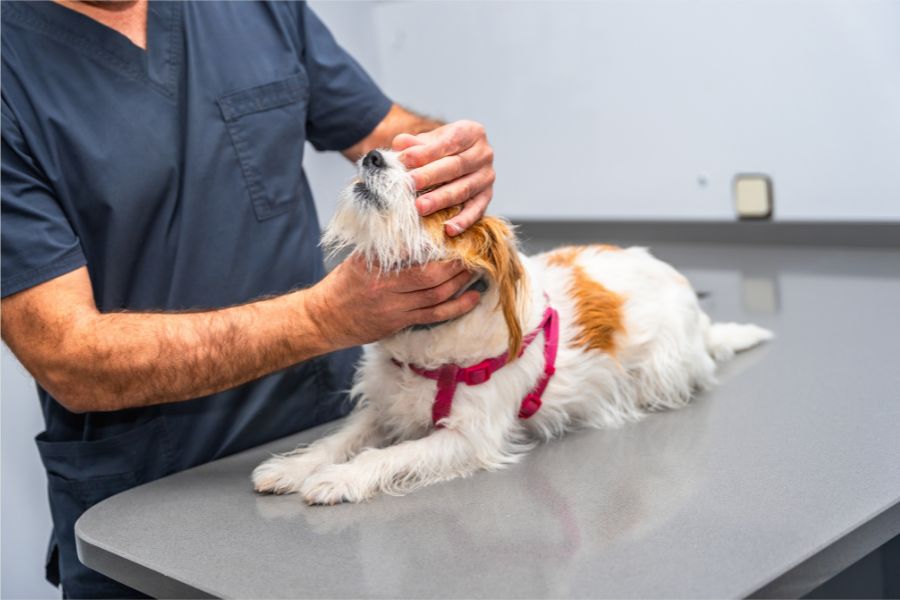
Depending on your pet’s condition, our medical team carefully monitors:
- Heart rate and rhythm
- Respiratory rate
- Oxygen saturation
- Blood pressure
- Body temperature
- Neurological status
- Urine production
- Blood glucose levels
- Laboratory values
Rather than relying on fixed treatment schedules, we continuously evaluate how your pet responds and modify their care plan whenever necessary.
Advanced Treatments Available in Intensive Care
Every ICU patient receives personalized treatment based on their diagnosis and medical needs.
Depending on the condition, therapy may include:
- Intravenous fluid therapy
- Oxygen supplementation
- Pain management
- Nutritional support
- Blood or plasma transfusions
- Medications delivered through IV catheters
- Frequent blood testing
- Electrolyte correction
- Temperature regulation
- Continuous monitoring equipment
By combining these treatments with close observation, we can respond quickly to changes and provide supportive care while your pet’s body heals.
Why Communication Is Part of Quality Care
When your pet is hospitalized, you’re going through the experience too.
Being separated from a beloved companion can leave families feeling anxious and uncertain. One of the questions we hear most often is, “How is my pet doing right now?”
That’s why communication is a key part of our intensive care philosophy.
Our team keeps pet owners informed throughout hospitalization by providing regular updates on their companion’s condition, treatment progress, and expected next steps. If the treatment plan changes, we’ll explain why, answer your questions, and help you understand the reasoning behind each recommendation.
We believe informed pet owners are better prepared to make confident decisions during challenging situations.
Supporting Recovery Beyond the ICU
Leaving intensive care is an important milestone, but recovery doesn’t end when your pet goes home.
Before discharge, our team creates a detailed recovery plan tailored to your pet’s specific condition. This may include:
- Medication schedules
- Feeding recommendations
- Activity restrictions
- Follow-up appointments
- Home monitoring instructions
- Warning signs that require immediate medical attention
For pets managing chronic illnesses such as diabetes or kidney disease, we’ll also discuss long-term treatment strategies to help reduce the risk of future emergencies.
Our goal is to help you feel comfortable continuing your pet’s recovery while knowing exactly when to contact us if concerns arise.
Recognizing Signs of a Medical Emergency
Some medical emergencies develop gradually, while others happen without warning. Knowing when to seek immediate care can significantly improve your pet’s chances of recovery.
Contact a veterinary hospital immediately if your pet experiences:
- Difficulty breathing
- Collapse or inability to stand
- Repeated vomiting or severe diarrhea
- Seizures
- Unresponsiveness
- Suspected toxin ingestion
- Severe bleeding
- Sudden weakness
- Pale or blue gums
- Significant trauma after being hit by a vehicle or suffering a major fall
Prompt evaluation allows medical professionals to begin stabilizing your pet before the condition becomes more critical.
Compassionate Care During Difficult Moments
Critical illness affects the entire family—not just the patient. We understand the emotional weight that comes with seeing your pet hospitalized, especially when every hour feels uncertain.
At Caring Hands Animal Hospital – Ashburn, we combine advanced medical technology with compassionate, individualized care to give every patient the attention they need. From continuous monitoring and emergency treatment to recovery planning and client communication, our focus remains on supporting both pets and the people who love them.
Every case is unique, and our team works closely with families to develop treatment plans that prioritize both medical outcomes and quality of life.
Contact Our Team When Your Pet Needs Immediate Care
Medical emergencies can happen without warning, but you don’t have to face them alone. If your dog or cat is showing signs of serious illness, has suffered an injury, or requires advanced monitoring after a complex procedure, our experienced team is here to help.
Contact us today to learn more about our intensive care services or to discuss your pet’s condition with our medical team. We’re committed to providing timely, compassionate care when your companion needs it most.