A painful tooth can change a pet’s mood and routine. Broken teeth, bleeding gums, mouth injuries, trapped objects, and oral infections can become serious without timely attention. This guide covers warning signs, home steps, professional care, and prevention. If you are looking for dependable pet dental care in Alexandria, knowing these signs can help you act confidently.
Why Pet Dental Problems Need Prompt Attention
Pets often hide discomfort. A dog may continue eating with a cracked tooth, while a cat may quietly avoid chewing on one side. Small changes can reveal significant mouth pain.
Watch for:
- Dropping food
- Chewing on one side
- Excessive drooling
- Pawing at the mouth
- Facial swelling
- Worsening bad breath
- Blood around the mouth
- Reluctance to eat
- Unusual withdrawal
A painful mouth can affect nutrition. Bacteria can enter damaged tissues, raising infection risk. Prompt evaluation helps identify problems early.
Common Pet Dental Problems to Recognize
Broken or Cracked Teeth
Chewing hard objects, accidents, falls, or rough play can fracture a tooth. Damage may reach the sensitive inner portion, causing pain and creating an opening for bacteria.
Do not give hard treats, bones, or chew toys after a suspected fracture. A professional examination can determine appropriate treatment.
Bleeding From the Mouth
Persistent bleeding deserves attention. A damaged gum, fractured tooth, foreign object, or deeper wound can cause continued blood loss.
Keep your pet calm and avoid repeatedly inspecting the wound with your fingers. Contact a pet care professional if bleeding continues, increases, or occurs with weakness, swelling, or breathing difficulty.
Oral Infections and Abscesses
An infected tooth can produce swelling around the face or jaw. Some pets develop a draining spot near the eye, cheek, or gumline. Bad breath, reduced appetite, lethargy, and sensitivity around the head may accompany infection.
Medication alone may not address the source when a damaged tooth is involved. A dental examination can help identify the underlying cause and determine suitable treatment.
Foreign Objects Stuck in the Mouth
Sticks, toy pieces, string, and other objects can lodge between teeth or across the roof of the mouth. Some cause cuts; others become embedded in tissue.
Professional guidance is wise before removal. Never pull string or thread that appears anchored, since doing so can worsen injury.
Loose or Displaced Teeth
A tooth that suddenly becomes loose can indicate trauma or advanced dental disease. Puppies naturally lose baby teeth, but an adult pet with a newly loose tooth should be assessed.
Pain may appear as reluctance to eat, facial sensitivity, or sudden behavior changes. Treatment depends on the tooth’s condition, surrounding tissues, and the cause of looseness.
What Should You Do Before Professional Care?
Your first goal is safety. Keep your pet quiet and prevent chewing. Offer water if your pet can drink comfortably. Avoid human pain relievers because several common products can be dangerous for dogs and cats.
Do not force your pet’s mouth open. Do not scrape teeth, apply household products, or attempt to pull a damaged tooth. If you need immediate guidance, contact a trusted pet care team and ask whether urgent care for pets is appropriate.
When Is a Dental Problem Serious?
Seek prompt professional help when your pet has uncontrolled bleeding, significant facial swelling, severe pain, trouble breathing, inability to eat or drink, major mouth trauma, or a suspected swallowed object.
A pet that seems comfortable can still have hidden tooth damage. Professional assessment is especially important when symptoms persist or keep returning.
How Can Pet Owners Prevent Dental Problems?
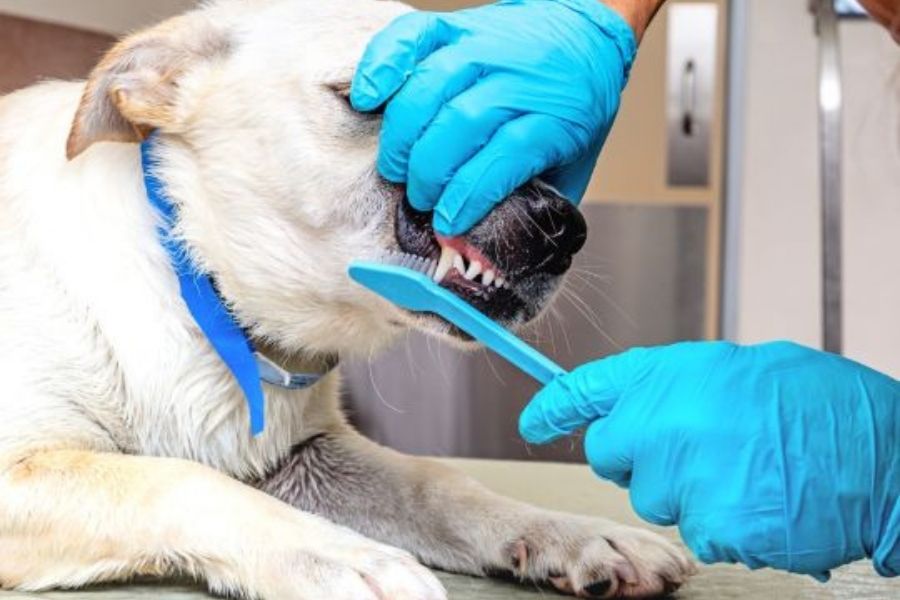
Daily dental care reduces plaque buildup and supports healthier gums. Brush with products designed for animals and introduce brushing gradually.
Regular dental checks can uncover damaged teeth, gum disease, and other problems before they become painful. Choose chew products carefully. Extremely hard bones and antlers can fracture teeth.
Monitor eating behavior, check the mouth when your pet is comfortable, and discuss changes with your care team.
Conclusion
Pet dental problems can progress from a cracked tooth or mouth injury to pain and infection. Recognizing changes early can protect comfort, eating habits, and well-being. Safe home care means preventing chewing, avoiding human medicines, and seeking professional advice for warning signs.
If you’re located in Alexandria, reach out to Caring Hands Animal Hospital – where compassionate care and community come together for your pet’s well-being. For urgent pet care concerns, call us at 703-778-2500.
Frequently Asked Questions(FAQs):
1. What are the signs of a broken tooth in a pet?
A: A broken tooth may cause chewing difficulty, drooling, pawing at the mouth, bleeding, bad breath, or sensitivity. Some pets show few obvious signs, making a professional dental check important after suspected trauma or tooth damage.
2. Can a tooth infection make a pet sick?
A: Yes. An untreated tooth infection can cause pain, swelling, reduced appetite, and low energy. Infection may spread into nearby tissues. Prompt assessment helps locate the source and guide treatment before complications develop.
3. Should I remove something stuck in my pet’s mouth?
A: Avoid pulling objects that are embedded, sharp, or attached to string. You could cause additional injury. Keep your pet calm and contact a professional for instructions, particularly when the object affects swallowing or breathing.
4. Can I give my pet human pain medicine?
A: No. Many human pain medicines can be toxic to pets, even in small amounts. Never give medication without professional direction. Ask a pet care provider about safe options based on your animal’s species, size, and condition.
5. How can I prevent dental problems in dogs and cats?
A: Brush teeth regularly with pet-safe toothpaste, schedule routine dental assessments, monitor chewing habits, and choose appropriate treats and toys. Avoid exceptionally hard chews that can fracture teeth and create painful oral injuries.
6. When should I seek urgent dental care for my pet?
A: Seek prompt care for heavy bleeding, facial swelling, severe pain, breathing difficulty, major mouth injury, inability to eat or drink, or signs of infection. A sudden behavior change also deserves attention when dental pain is suspected.