Dogs love to run, jump, and greet their people with full-body excitement. When a leg injury appears, it often feels sudden, confusing, and stressful. This guide explains the signs, causes, care options, and recovery steps for Cruciate Ligament Rupture, so you can act early and support your dog with confidence.
You will learn what limping really means, which breeds face a higher risk, how diagnosis works, what treatment looks like, and how to prevent future strain. If you live near Clarandon, VA, this overview also helps you prepare for a timely visit.
What the Cruciate Ligament Does
Inside your dog’s knee sits a strong band of tissue that keeps the joint stable during movement. It prevents the shin bone from sliding forward and controls twisting. When this support weakens or tears, the knee becomes painful and unstable, which explains the sudden change in your dog’s walk.
This joint also absorbs shock during daily motion, so even small damage can affect comfort, posture, and balance across the whole body.
Common Symptoms You Should Never Ignore
- Limping that appears after play or a simple walk
- Trouble standing up after rest
- Sitting with one leg angled out to the side
- Less interest in stairs, jumping, or games
- Swelling around the knee
- A clicking sound during movement
- Muscle loss in the affected leg over time
Some dogs show mild signs at first. Others stop using the leg right away. Both patterns deserve attention.
Why This Injury Happens
This problem rarely comes from a single dramatic accident. Many cases develop from slow wear inside the joint. Extra body weight adds stress.
Poor conditioning weakens support muscles. Certain breeds carry a higher chance due to leg shape and genetics. Sudden turns during play can finish what quiet damage already started. Slippery floors and repeated jumping from furniture also raise strain during everyday routines.
How Vets Confirm the Problem
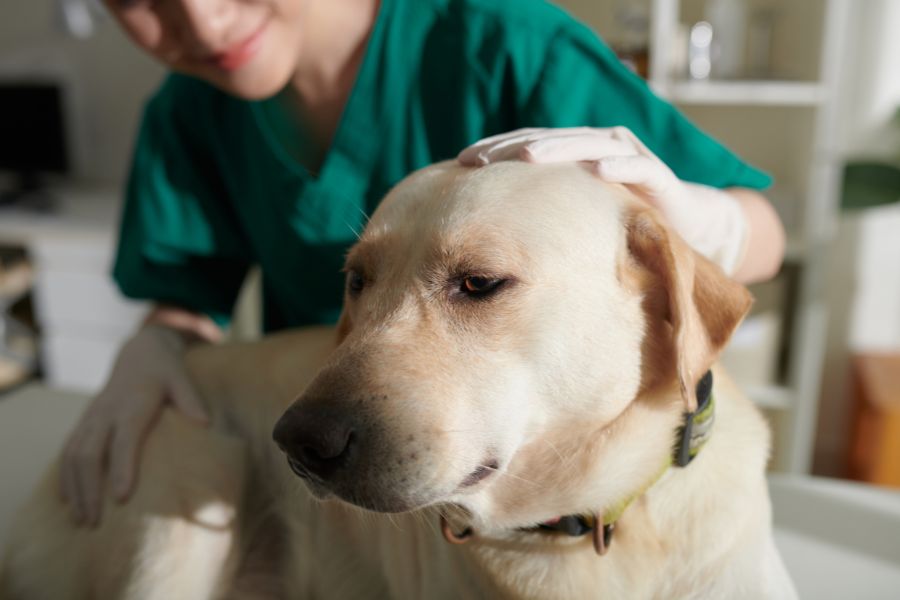
Your care team begins with a hands-on exam to feel for looseness in the knee. X-rays help rule out fractures and show swelling or arthritis changes. In some cases, light sedation allows a clearer check of joint movement.
Clear communication matters, so ask questions about findings and next steps. Bring notes about when limping began, activity changes, and any medications already used.
Treatment Paths That Support Healing
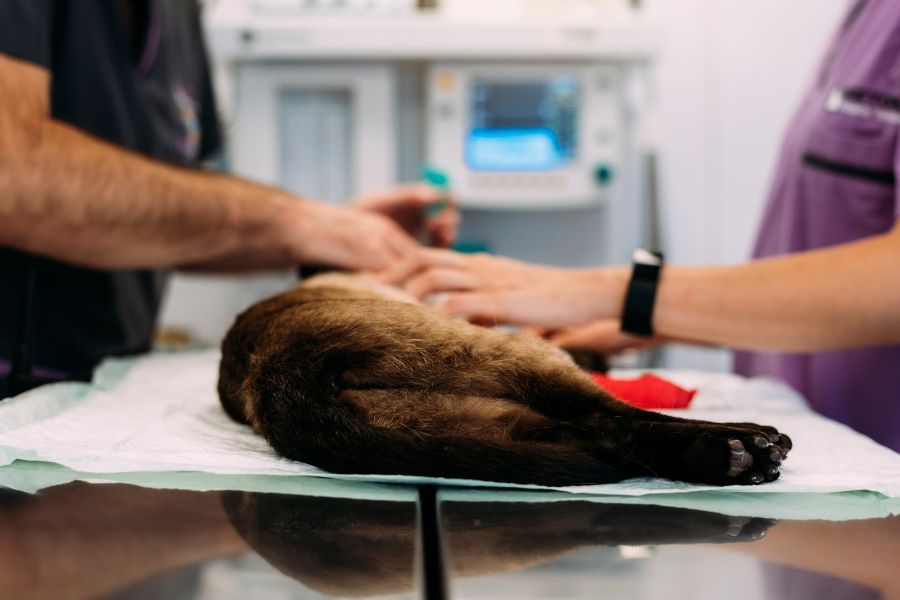
Care depends on size, age, activity level, and comfort. Small or calm dogs may improve with rest, weight control, pain relief, and guided exercises. Many medium to large dogs benefit from surgery that stabilizes the joint and protects long-term mobility. Your provider explains options, costs, recovery time, and expected results. Plans often include home exercises, safe walking schedules, and checkups that track progress.
Midway through recovery planning, it helps to remember that Cruciate Ligament Rupture affects more than one leg over a lifetime for many dogs. Strengthening both sides and keeping weight in check lowers future risk.
Life After Treatment: What Recovery Looks Like
Healing takes patience. Expect short leash walks, home exercises, and gradual activity increases. Floor traction, ramps, and soft bedding make daily life easier. Follow-up visits track progress and adjust plans. Most dogs return to comfortable walks and favorite routines when owners stay consistent.
Calm enrichment like food puzzles, keeps spirits up while activity stays limited. Gentle massage, range of motion practice, and praise during sessions build trust, improve flexibility, and support confidence.
Simple Ways to Reduce Risk
- Keep your dog at a healthy weight
- Build muscle with steady, low-impact activity
- Warm up before intense play
- Avoid slick floors when possible
- Use ramps for cars and high furniture
- Feed balanced meals that support joints
- Schedule routine wellness visits to catch early changes
Small changes protect knees over time and support confident movement for daily life.
Conclusion
Early action, goals, and home care give dogs the best chance to feel strong again. Protect joints, follow guidance, and stay engaged through every recovery step. Remember that Cruciate Ligament Rupture responds well to informed decisions, patience, and kindness.
We are conveniently serving in Clarandon, VA, and welcome you to our location: 2601 A, Wilson Blvd, Arlington, VA 22201 — where compassionate care and community come together for your pet’s well-being. Schedule an appointment with Caring Hands Animal Hospital- Clarandon.
Frequently Asked Questions(FAQs):
1. How fast should I see a vet after my dog starts limping?
A: Schedule a visit within twenty-four hours if limping lasts longer than a day, appears severe, or comes with swelling. Early checks limit pain, prevent muscle loss, and speed recovery. Waiting often allows joint damage to grow.
2. Can my dog heal without surgery?
A: Some dogs improve with rest, weight control, and rehab, especially smaller or less active pets. Many larger dogs regain stronger stability with surgery. Your provider reviews size, lifestyle, comfort, and budget to guide a personal plan.
3. How long does recovery usually take?
A: Most dogs follow a twelve to sixteen-week program with steady progress. Short walks begin early, then strength work increases. Full play often returns around four to six months, depending on procedure type and home support.
4. Will my dog injure the other knee?
A: Yes, many dogs face risk on the opposite side because of shared strain and genetics. Preventive steps include weight management, muscle conditioning, and controlled activity. Early care on the first knee lowers pressure on the second.
5. What signs suggest complications during healing?
A: Watch for increasing swelling, warmth, sudden limping, fever, or loss of appetite. Contact your clinic if stitches open or your dog refuses to use the leg after initial improvement. Prompt attention keeps small issues from becoming setbacks.
6. How can I keep my dog comfortable at home?
A: Provide soft bedding, block stairs, use rugs for traction, and follow medication directions. Short, calm walks support circulation. Mental games replace rough play. Praise and routine reduce stress, which supports better healing.