A puppy can eat a small amount of ripe, red tomato flesh when it is plain, fresh, and free from stems or leaves. Tomato plants and unripe green tomatoes contain higher levels of compounds that can upset dogs. Portion size matters for a young dog. This guide explains when tomatoes are safe, what parts to avoid, possible symptoms, serving ideas, and when professional help is appropriate.
Are Tomatoes Safe for Puppies?
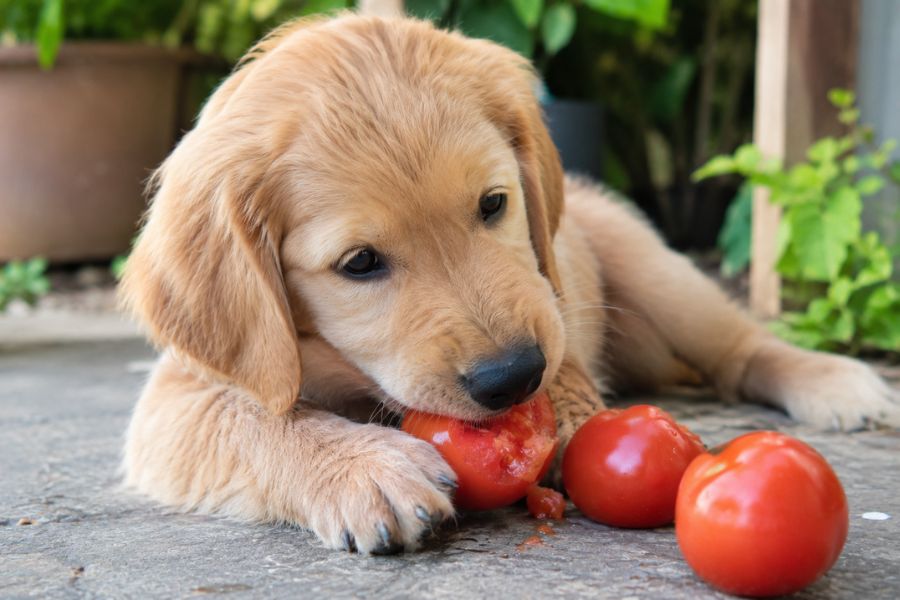
Ripe tomatoes are generally considered safe for puppies in small portions. The soft red flesh contains water, fiber, vitamin C, and other nutrients.
A puppy’s digestive system is still developing. A large serving can cause loose stool, vomiting, gas, or stomach discomfort even when the tomato is ripe.
Plain tomato is the safest choice. Avoid tomato products containing salt, onion, garlic, spices, sauces, or other ingredients that may be harmful to dogs.
Which Parts of a Tomato Can Puppies Eat?
Ripe Red Tomato Flesh
The ripe red flesh is the part most suitable for a puppy. Wash it, remove the stem, and cut it into tiny pieces. Small pieces reduce choking risk and make portion control easier.
Green Tomatoes
Unripe green tomatoes contain more tomatine, a naturally occurring compound that can cause problems when consumed in significant amounts. Puppies should not be offered green tomatoes as treats.
Tomato Stems and Leaves
Tomato leaves and stems contain higher concentrations of tomatine than ripe fruit. Keep puppies away from tomato plants, garden trimmings, and fallen plant material.
How Much Tomato Can a Puppy Eat?
Age, body size, diet, and digestive sensitivity affect tolerance. A tiny piece is a sensible first serving.
No digestive changes is a good sign, but it does not mean unlimited tomato is appropriate. Treats should stay a small part of the daily diet, with complete puppy food providing the nutrition needed for growth.
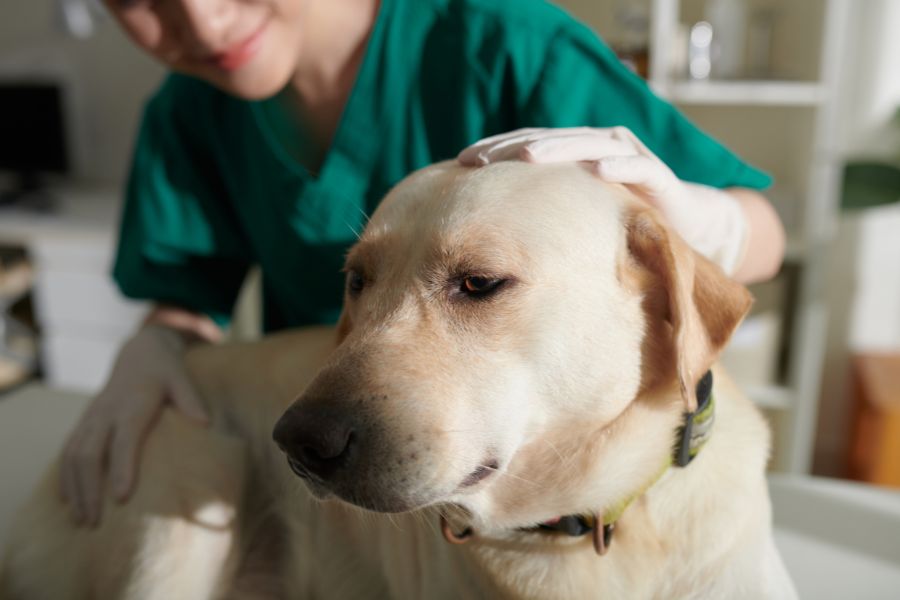
Ask your veterinarian about suitable treat portions if your puppy is very young, has dietary restrictions, or has experienced digestive problems. Reliable veterinary care can help you build safe feeding habits around your puppy’s individual needs.
Why Puppies Need Extra Care
Puppies are smaller than adult dogs, so a serving that seems tiny to a person can represent a meaningful amount for a young pet. Their food should be formulated for growth, with balanced protein, fat, vitamins, minerals, and calories. Treats should never displace meals.
Food allergies are uncommon but possible. A new food can produce itching, digestive upset, or other changes in some dogs. Introduce a treat at a time. Record what was offered if your puppy develops symptoms.
Garden access deserves attention. Tomato plants can look like convenient chew toys to an exploring puppy. Fencing, raised planters, or supervised outdoor time can reduce accidental exposure to leaves, stems, and unripe fruit.
A puppy that repeatedly searches for plants may need more enrichment, supervision, and puppy-safe chew options. Safe habits around food and plants can prevent avoidable emergencies.
Your puppy’s individual history matters when choosing treats, especially during dietary changes, recovery, ongoing stomach upset, or medication use.
What Happens If a Puppy Eats Tomato?
Eating a small piece of ripe tomato usually does not cause a serious problem in a healthy puppy. A larger amount, green tomato, or plant material deserves more attention.
Possible signs include vomiting, diarrhea, drooling, reduced appetite, stomach discomfort, weakness, unusual tiredness, or changes in normal behavior. More serious reactions can involve coordination problems, abnormal heart rate, or significant weakness.
Do not induce vomiting unless a veterinary professional specifically tells you to do so. Remove access to the plant or food and contact a professional if concerning symptoms develop.
Can Puppies Eat Tomato Sauce or Canned Tomatoes?
Tomato sauce is not the same as plain ripe tomato. Many sauces contain onion, garlic, excess sodium, sugar, seasonings, or rich ingredients.
Canned tomatoes may contain salt or preservatives. A simple piece of fresh, ripe tomato is a more predictable option for a puppy.
Tomato-based pasta sauces, pizza sauce, salsa, and seasoned soups should not be treated as puppy snacks.
How to Give Tomato to a Puppy
Wash a ripe, firm tomato with no mold or spoilage. Remove the stem and any attached green material. Cut a small piece into puppy-sized bites.
Skip salt, oil, seasoning, sauces, and toppings.
Keep fresh water available. Store tomatoes and garden plants where a curious puppy cannot reach them.
When Should You Call for Help?
Call for professional advice if your puppy has eaten tomato leaves, stems, a large quantity of green tomatoes, or an unknown amount of plant material.
Seek urgent help for severe vomiting, repeated diarrhea, marked weakness, collapse, trouble walking, breathing difficulty, seizures, or other sudden changes that concern you.
A Simple Tomato Safety Checklist
- Ripe red flesh: small amounts are generally appropriate.
- Green tomato: avoid giving it intentionally.
- Leaves and stems: keep away from puppies.
- Seasoned tomato foods: avoid.
- First serving: start with a tiny piece.
- Reaction: monitor for digestive or unusual signs.
- Daily diet: prioritize complete puppy nutrition.
The Bottom Line
Can puppies eat tomatoes? Yes, ripe red tomato flesh can be an occasional treat for many puppies when served plain and in a tiny portion. The tomato plant, green fruit, and processed tomato foods require more caution.
Your puppy’s size, age, health, and diet matter. Safe feeding means knowing which part you are offering, controlling the amount, and watching for unexpected symptoms. Your puppy’s regular complete food should provide the nutrients required for healthy growth overall.
Frequently Asked Questions(FAQs):
1. Can puppies eat raw tomatoes?
A: Puppies can eat a small amount of ripe, raw tomato flesh. Wash it thoroughly, remove the stem, and serve tiny pieces. Avoid green tomatoes, leaves, stems, seasonings, and sauces.
2. Are green tomatoes poisonous to puppies?
A: Green tomatoes contain more tomatine than ripe red tomatoes. A small accidental bite may not cause serious illness, but puppies should not receive green tomatoes intentionally. Contact a professional if a large amount was eaten.
3. Can puppies eat cherry tomatoes?
A: A puppy may eat a tiny piece of ripe cherry tomato. Cut it into small pieces rather than offering the whole fruit. Remove the stem and supervise your puppy during feeding.
4. What should I do if my puppy eats tomato leaves?
A: Remove the plant material and note how much your puppy may have eaten. Tomato leaves contain more tomatine than ripe fruit. Contact a veterinary professional for guidance, especially if symptoms appear.
5. Can tomato sauce make puppies sick?
A: Tomato sauce can cause problems when it contains onion, garlic, excessive salt, spices, or rich ingredients. Plain ripe tomato is a safer choice. Avoid sharing seasoned pasta sauce, pizza sauce, or salsa.