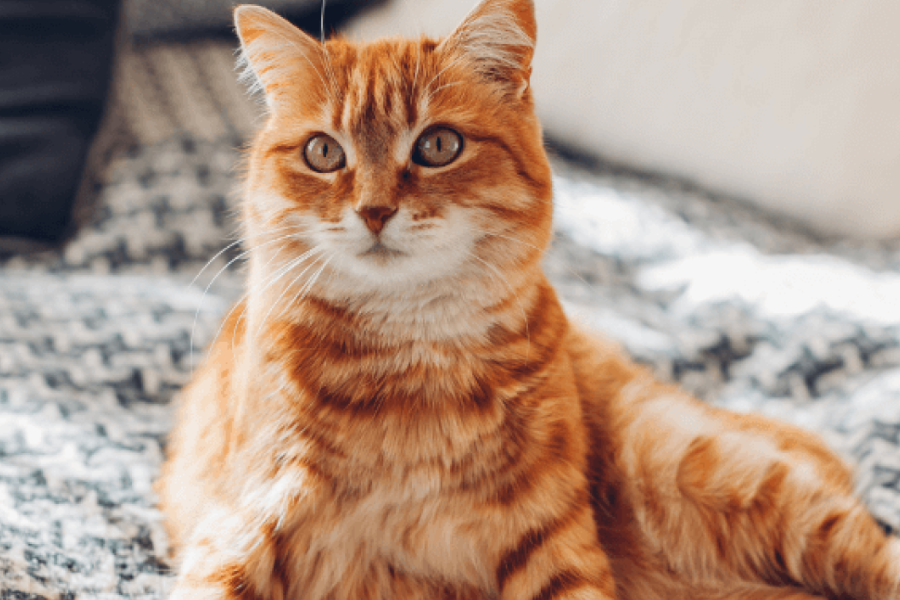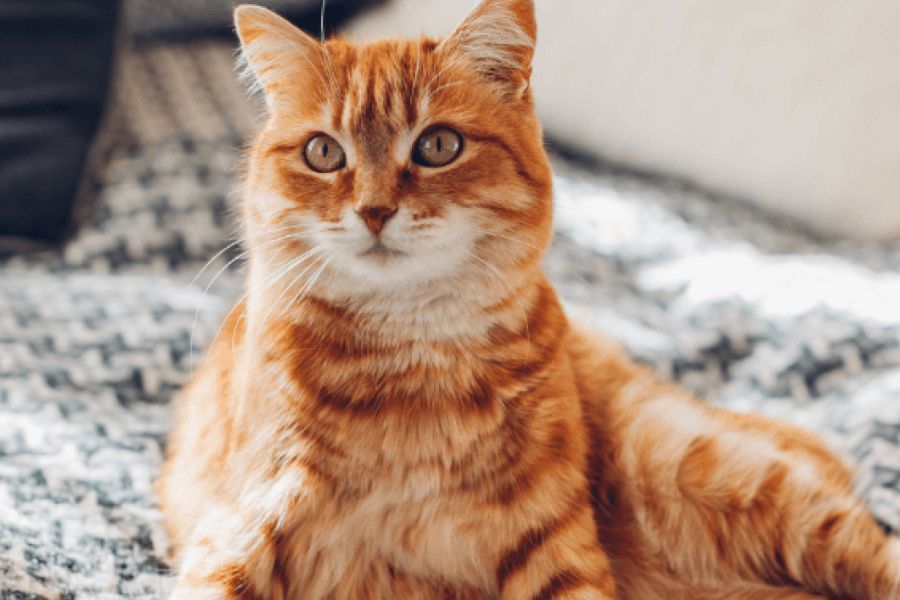
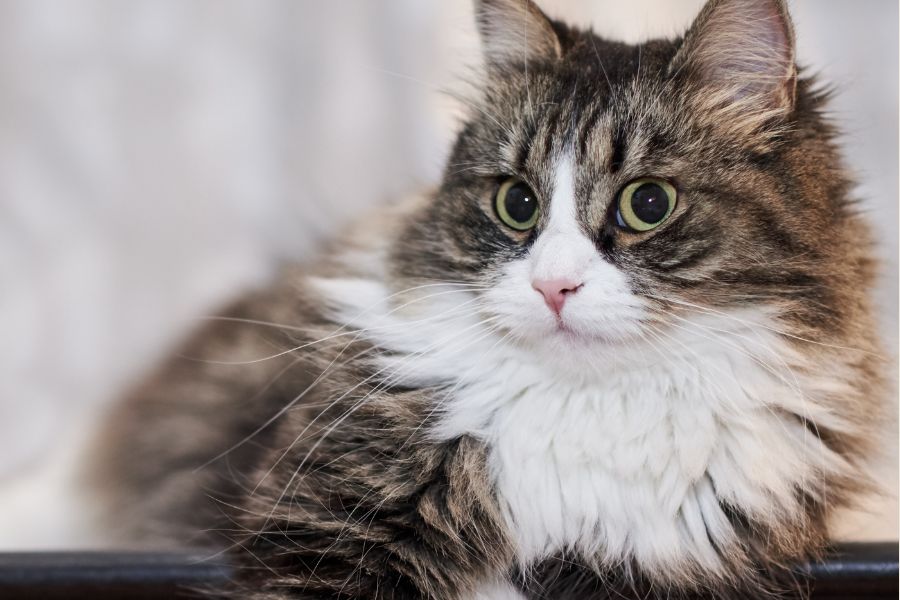
The Ragamuffin is known for its soft coat, calm personality, and deep affection for people. These cats often form strong bonds with their families and enjoy being involved in daily life. Their gentle nature makes them popular with families, seniors, and first-time cat owners.
But their relaxed personality can sometimes lead people to assume they are low-maintenance. That is not always true.
A Ragamuffin needs thoughtful care to stay healthy. Their long, plush coat needs regular attention. Their larger build calls for balanced nutrition. Their laid-back personality means exercise should be encouraged, not left to chance.
If you share your home with a Ragamuffin or are thinking about adopting one, understanding their care needs can help you make informed choices. This guide covers the essentials of Ragamuffin care, including diet, grooming, exercise, and daily habits that support long-term wellness.
Understanding the Ragamuffin Breed
Before building a care routine, it helps to understand the breed.
Ragamuffins are large, muscular cats with semi-long fur and expressive eyes. They mature slowly and may take up to four years to reach full size. Many weigh between 10 and 20 pounds, though size can vary.
They are often described as:
- Affectionate and people-oriented
- Calm and adaptable
- Indoor-friendly
- Playful but not highly active
- Comfortable with children and other pets
These traits shape how you approach feeding, grooming, enrichment, and health care.
Feeding a Ragamuffin: Building a Healthy Diet
Focus on Balanced Nutrition
A healthy Ragamuffin diet starts with complete and balanced cat food designed for life stage and lifestyle.
Look for food with:
- High-quality animal protein as the first ingredient
- Moderate healthy fats for skin and coat support
- Controlled carbohydrates
- Essential vitamins and minerals
- Taurine for heart and eye health
Protein supports muscle mass, which matters for a larger cat like the Ragamuffin.
Choose Food Based on Age
A kitten has different needs than an adult or senior cat.
Kittens
Growing Ragamuffins need nutrient-dense food that supports development.
Feed:
- High-quality kitten food
- Multiple small meals per day
- Consistent access to fresh water
Adult Cats
Adults do well on measured portions designed to maintain a healthy body weight.
Feed:
- Quality adult cat food
- Scheduled meals instead of free feeding when possible
- Portions based on activity level and body condition
Senior Cats
Older Ragamuffins may need dietary adjustments for weight control or joint support.
Your veterinarian may recommend food with:
- Fewer calories
- Joint-support ingredients
- Easy-to-digest proteins
- Kidney-support nutrition when needed
Watch for Weight Gain
This breed enjoys lounging, which can increase the risk of obesity.
Excess weight can raise the risk of:
- Arthritis
- Diabetes
- Heart strain
- Reduced mobility
- Lower quality of life
Check your cat’s body condition regularly. You should be able to feel the ribs with light pressure, without seeing excessive fat covering.
If you are unsure whether your Ragamuffin is at a healthy weight, ask your veterinarian during routine exams.
Should You Feed Wet Food or Dry Food?
Many owners ask this question.
Both can have a place in a healthy diet.
Wet Food Benefits
- Supports hydration
- Often lower in carbohydrates
- May help with weight management
- Can be easier for some older cats to eat
Dry Food Benefits
- Convenient for measured meals
- Can support dental care in some cases
- Often more economical
Many veterinarians recommend a mix of both, depending on your cat’s needs.
Don’t Forget Parasite Prevention
Diet supports health, but prevention matters too.
Internal parasites can affect nutrient absorption and overall wellness, even in indoor cats. Routine prevention is part of responsible care. For guidance on parasite prevention protocols, visit our website and speak with your veterinarian about a plan tailored to your cat.
Grooming a Ragamuffin Cat
One of the Ragamuffin’s defining features is its soft, luxurious coat.
While the coat is less prone to matting than some long-haired breeds, grooming is still important.
How Often Should You Brush a Ragamuffin?
Most do well with brushing two to three times per week.
During seasonal shedding, more frequent brushing may help.
Use:
- A stainless steel comb
- A soft slicker brush
- A de-shedding tool is recommended for your cat’s coat type
Benefits of Regular Brushing
Brushing helps:
- Reduce loose hair
- Prevent tangles
- Lower hairball formation
- Distribute natural skin oils
- Let you spot skin issues early
Many Ragamuffins enjoy grooming sessions when introduced positively.
Bathing: Is It Necessary?
Most Ragamuffins do not need frequent baths.
Bathing may help if:
- The coat becomes greasy
- The cat gets into something sticky
- A medical condition affects skin health
Use cat-safe shampoo and ask your veterinarian before using medicated products.
Nail, Ear, and Dental Care Matter Too
Coat care is only one part of grooming.
1. Nail Trimming
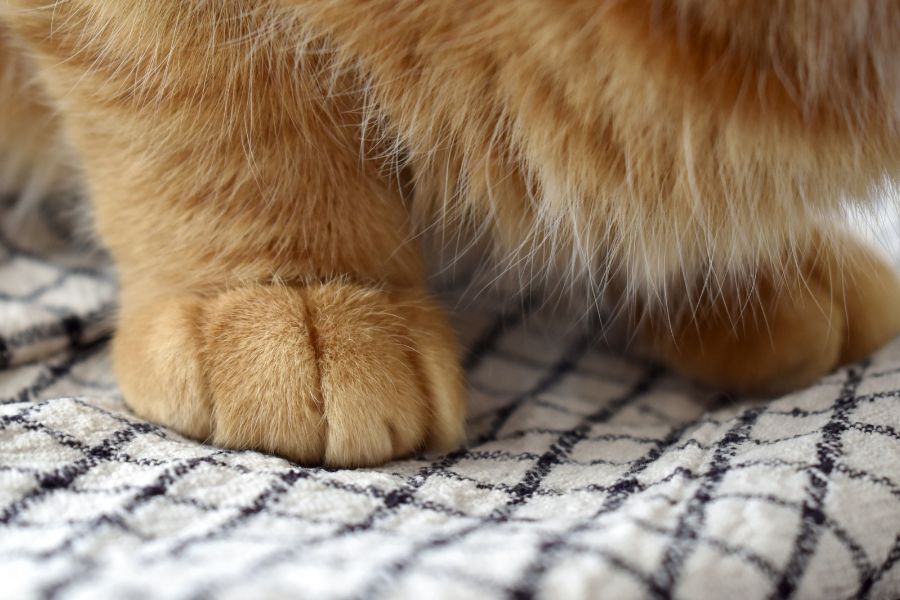
Trim nails every few weeks or as needed.
This helps prevent:
- Overgrown claws
- Snagging
- Painful nail issues
2. Ear Checks
Check ears regularly for:
- Wax buildup
- Odor
- Redness
- Debris
If you notice changes, have them evaluated.
3. Dental Care
Dental disease is common in cats.
Support oral health with:
- Tooth brushing when possible
- Veterinary dental evaluations
- Dental-support diets or products approved by your veterinarian
Exercise Needs for a Ragamuffin
People often assume calm cats do not need exercise.
That can lead to trouble.
Ragamuffins benefit from daily movement for both physical and mental health.
How Much Exercise Does a Ragamuffin Need?
Aim for interactive activity every day.
Short play sessions often work well:
- 10 to 15 minutes
- Two or three times daily
Consistency matters more than intensity.
Best Ways to Keep a Ragamuffin Active
1. Interactive Toys
Try:
- Feather wand toys
- Toy mice
- Puzzle feeders
- Rolling balls
- Motion toys
Rotate toys to keep interest high.
2. Cat Trees and Climbing Spaces
Even relaxed cats enjoy vertical spaces.
Cat trees encourage:
- Climbing
- Stretching
- Observation
- Light exercise
3. Food-Based Enrichment
Make your Ragamuffin work for part of the meals.
Use:
- Puzzle feeders
- Treat-dispensing toys
- Food hunts around the home
This taps into instincts.
Prevent Boredom in Indoor Cats
Boredom can lead to:
- Overeating
- Inactivity
- Destructive habits
- Stress-related behaviors
Enrichment helps.
Offer:
- Window perches
- Scratching posts
- Safe hiding spaces
- Routine social interaction
A Ragamuffin often wants engagement as much as physical activity.
Routine Veterinary Care Is Part of Proper Care
Home care matters, but regular veterinary care fills gaps owners may miss.
Schedule routine wellness exams to monitor:
- Weight
- Dental health
- Parasite prevention
- Vaccinations
- Heart health
- Joint health
Some larger breeds may be prone to certain inherited concerns. Early monitoring supports better outcomes.
Signs Your Ragamuffin May Need Veterinary Attention
Contact your veterinarian if you notice:
- Reduced appetite
- Sudden weight change
- Low energy
- Vomiting
- Diarrhea
- Trouble grooming
- Changes in mobility
- Breathing changes
- Behavior shifts
Cats often hide illness. Small changes can be meaningful.
Daily Care Habits That Make a Difference
The best Ragamuffin care often comes down to routine.
Build habits like:
1. Keep Fresh Water Available
Hydration supports kidney and urinary health.
2. Clean the Litter Box Daily
Most cats prefer a clean litter area.
3. Maintain Predictable Feeding Times
Routine can reduce stress.
4. Make Time for Interaction
Many Ragamuffins thrive on companionship.
Even a quiet time near you can matter.
Common Mistakes to Avoid
Some problems come from simple misunderstandings.
Avoid these common mistakes:
1. Overfeeding
Large cats should not automatically receive larger portions.
Feed based on need, not appearance.
2. Skipping Grooming
Even low-tangle coats need regular care.
3. Assuming Indoor Cats Need No Parasite Prevention
Indoor exposure still happens.
4. Ignoring Exercise
Calm does not mean inactive.
5. Delaying Routine Veterinary Visits
Prevention often catches issues before they become serious.
Is a Ragamuffin the Right Cat for You?
A Ragamuffin can be a wonderful companion if you can provide:
- Consistent grooming
- Balanced nutrition
- Daily interaction
- Routine exercise
- Preventive health care
They do best in homes where they are treated as active members of the family, not decorative pets.
Conclusion
Caring for a Ragamuffin cat is about more than keeping a beautiful coat.
A healthy Ragamuffin needs balanced nutrition, regular grooming, daily exercise, mental enrichment, and preventive veterinary care. These pieces work together to support healthy weight, good mobility, strong skin and coat health, and long-term wellness.
The good news is that most of these needs can be met through simple routines.
Brush consistently. Feed thoughtfully. Encourage movement. Watch for changes. Stay current with preventive care. Those habits help your Ragamuffin thrive.
If you have questions about diet, grooming routines, weight management, or parasite prevention for your cat, speak with your veterinarian. Early guidance can help you make confident decisions for your pet’s health.
Frequently Asked Questions(FAQs):
1. How often should I groom a Ragamuffin cat?
A: Most Ragamuffins benefit from brushing two to three times per week. During heavy shedding seasons, more frequent brushing may help prevent loose fur buildup and tangles.
2. Are Ragamuffin cats prone to obesity?
A: Yes, they can be. Their relaxed personality and larger build can make weight gain a concern if diet and exercise are not managed carefully.
3. What is the best diet for a Ragamuffin cat?
A: A balanced diet with high-quality animal protein, appropriate calories, and nutrients suited to age and health status is ideal. Your veterinarian can help guide specific choices.
4. Do Ragamuffin cats need a lot of exercise?
A: They do need daily activity, even though they are calm cats. Interactive play, climbing opportunities, and food enrichment can help keep them active.
5. Are Ragamuffin cats good indoor cats?
A: Yes. Ragamuffins generally adapt well to indoor living when given enrichment, companionship, and opportunities for exercise.
6. Do indoor Ragamuffin cats still need parasite prevention?
A: Yes. Indoor cats can still be exposed to parasites. Preventive care should be discussed with your veterinarian as part of routine wellness planning.