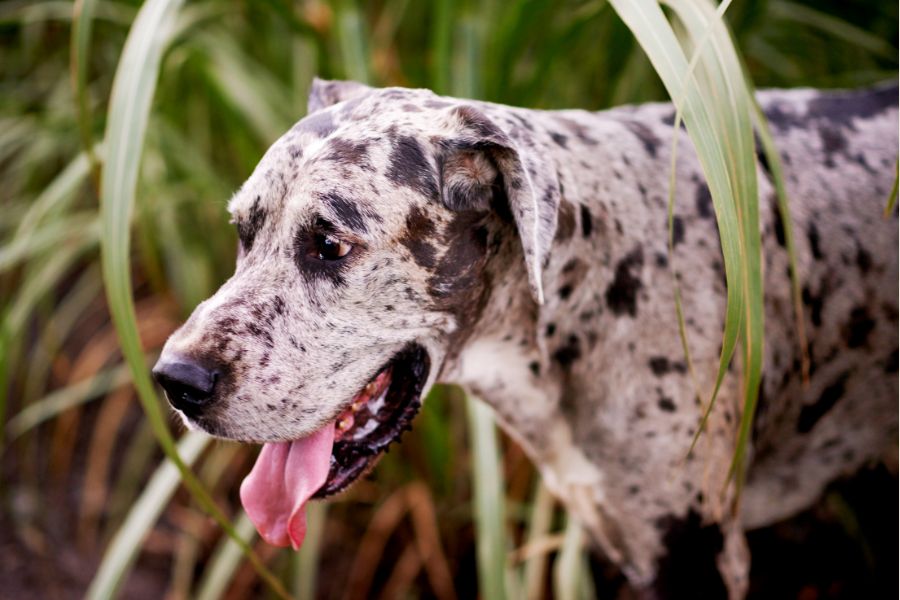
Great Danes are known for their towering height, calm nature, and deep loyalty. They are often called “gentle giants” for a reason. But alongside their impressive size comes a reality many owners find difficult—their lifespan is shorter than most other dog breeds.
If you’ve ever wondered why this happens or how you can support your dog’s health, this guide explains everything clearly and practically. From biology to everyday care, we’ll break down the key factors affecting the life expectancy of Great Dane dogs and what it means for you as a pet owner.
What Is the Average Life Expectancy of Great Dane Dogs?
The life expectancy of Great Dane dogs typically ranges between 7 and 10 years. Some may live slightly longer with excellent care, but compared to smaller breeds that can live 12–15 years or more, this is significantly shorter.
Why Size Matters
Large and giant dog breeds tend to age faster than smaller dogs. A Great Dane grows rapidly in its first year, reaching a size that puts extra stress on its body. This accelerated growth affects long-term health and contributes to a shorter lifespan.
Why Do Great Danes Have Short Lifespans?
There is no single reason behind their shorter lives. Instead, several biological and health-related factors work together.
1. Rapid Growth and Aging
Great Danes grow at an extraordinary rate. Within 12–18 months, they reach their full size. This fast growth:
- Strains bones and joints
- Impacts organ development
- Increases the risk of early aging
Dogs that grow quickly often experience earlier cellular aging, which shortens their lifespan.
2. Higher Risk of Serious Health Conditions
The life expectancy of Great Dane dogs is closely linked to certain health risks that are more common in this breed.
Common Health Issues Include:
a. Bloat (Gastric Dilatation-Volvulus or GDV)
This is one of the most serious conditions affecting Great Danes. It occurs when the stomach fills with gas and twists, cutting off blood flow. It can become life-threatening within hours.
b. Heart Disease
Dilated cardiomyopathy (DCM) is common in large breeds. It weakens the heart muscle, reducing its ability to pump blood effectively.
c. Joint and Bone Disorders
Due to their size, Great Danes often experience:
- Hip dysplasia
- Arthritis
- Bone stress injuries
d. Cancer
Like many large breeds, Great Danes are more prone to certain cancers, which can impact longevity.
3. Genetic Factors
Genetics plays a major role in determining the life expectancy of Great Dane dogs. Selective breeding has focused heavily on size and appearance, sometimes at the expense of long-term health.
Responsible breeding can reduce risks, but inherited conditions can still affect lifespan.
4. Increased Physical Stress on the Body
A Great Dane’s large frame places constant stress on:
- The heart
- The joints
- The digestive system
This ongoing strain can lead to earlier wear and tear compared to smaller dogs.
5. Shorter Cellular Lifespan
Studies suggest that larger dogs age faster at a cellular level. This means:
- Cells repair less efficiently
- Aging-related diseases appear earlier
- Lifespan shortens despite good care
Can You Increase the Life Expectancy of Great Dane Dogs?
While you cannot change genetics or size, you can influence your dog’s quality of life and potentially extend their years.
1. Provide a Balanced Diet
Nutrition plays a direct role in health and longevity.
- Choose high-quality, large-breed dog food
- Avoid overfeeding to prevent obesity
- Feed smaller meals throughout the day to reduce bloat risk
2. Monitor Weight Closely
Excess weight increases pressure on joints and the heart. Keeping your Great Dane at a healthy weight can help prevent several conditions.
3. Schedule Regular Veterinary Checkups
Routine exams help detect problems early.
If you notice changes in behavior, appetite, or movement, don’t wait. Early care can make a significant difference. If your dog needs professional support, take a moment to visit our website to learn more about when veterinary care is necessary.
4. Prevent Bloat
Since bloat is a leading cause of death in Great Danes, prevention is critical.
- Avoid exercise immediately after meals
- Use slow feeders if your dog eats quickly
- Consider elevated food bowls only if recommended by your vet
5. Support Joint Health
Joint care is essential for large breeds.
- Provide soft bedding
- Avoid excessive jumping or high-impact activities
- Use vet-recommended supplements if needed
6. Keep Exercise Moderate and Consistent
Great Danes do not need intense exercise, but they do need regular activity.
- Daily walks help maintain muscle tone
- Avoid overexertion, especially in young dogs
Signs Your Great Dane May Need Immediate Attention
Understanding warning signs can help you act quickly and protect your dog’s health.
Watch for:
- Sudden bloating or restlessness
- Difficulty breathing
- Lethargy or weakness
- Loss of appetite
- Limping or stiffness
These symptoms may indicate serious conditions that require prompt care.
Emotional Impact: Preparing for a Shorter Lifespan
Owning a Great Dane means building a strong emotional bond in a shorter time. While this can be challenging, many owners say the love and companionship they receive is unmatched.
Focus on:
- Creating meaningful daily routines
- Providing comfort and care
- Enjoying every stage of your dog’s life
How Great Dane Owners Can Make Every Year Count
Even though the life expectancy of Great Dane dogs is shorter, their lives can be full and rewarding.
Here’s how to make the most of it:
- Stay proactive with health care
- Build a consistent routine
- Keep your dog mentally stimulated
- Provide a safe and comfortable home
Small, consistent efforts can lead to better health outcomes and a happier life for your pet.
Conclusion: Understanding and Supporting Your Great Dane
The shorter life expectancy of Great Dane dogs is influenced by size, genetics, and health risks. While this reality cannot be changed, how you care for your dog can shape their experience and well-being.
By staying informed, acting early on health concerns, and maintaining a consistent care routine, you give your dog the best chance at a healthy and fulfilling life.
If you notice any health changes or want guidance tailored to your dog’s needs, it’s time to take the next step. Book an appointment with a trusted veterinary professional to ensure your Great Dane receives the care they deserve.
Every year matters. Make each one count.
Frequently Asked Questions (FAQs):
1. What is the average life expectancy of Great Dane dogs?
A: The average lifespan is around 7 to 10 years, though some may live longer with proper care.
2. Why do Great Danes not live as long as smaller dogs?
A: Their large size leads to faster aging, increased strain on the body, and a higher risk of certain health conditions.
3. What is the leading cause of death in Great Danes?
A: Bloat (GDV) is one of the most common and serious causes, along with heart disease and cancer.
4. Can diet improve the life expectancy of Great Dane dogs?
A: Yes, a balanced diet helps maintain weight, supports organ function, and reduces the risk of certain diseases.
5. How can I prevent bloat in my Great Dane?
A: Feed smaller meals, avoid exercise after eating, and monitor eating habits to reduce the risk.
6. Do Great Danes require frequent vet visits?
A: Yes, regular checkups are important to catch health issues early and manage breed-specific risks.