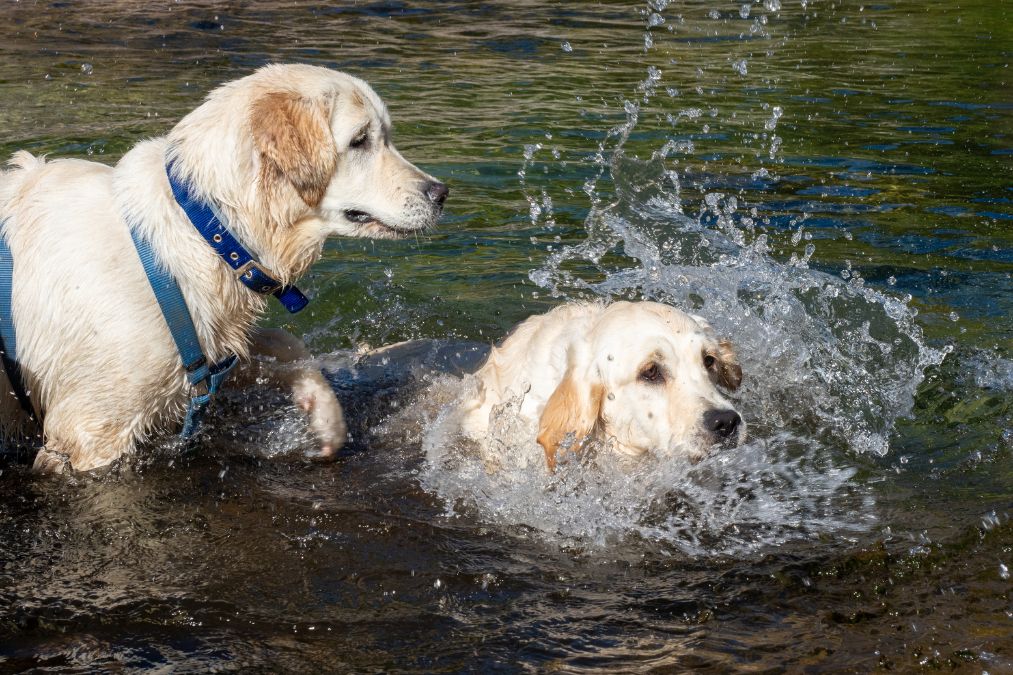
Summer brings longer days, outdoor fun, and plenty of sunshine, but it also introduces serious risks for pets. Heatstroke can develop quickly and become life-threatening without prompt attention. This guide explains how heat affects pets, early warning signs, prevention strategies, and when to seek help.
By following these summer safety tips for pets, you can keep your companion safe, comfortable, and active even during rising temperatures in Centreville.
Understanding Heatstroke in Pets
Heatstroke occurs when a pet’s body temperature rises beyond its ability to cool down. Unlike humans, pets do not sweat effectively. Dogs mainly cool themselves by panting, while cats rely on grooming and limited sweating through their paws.
High humidity, poor ventilation, and direct sun exposure increase risk. Flat-faced breeds, senior pets, overweight animals, and those with thick coats face higher danger. Even short exposure to extreme heat can lead to serious complications.
Why Summer Heat Is Dangerous
Hot weather affects pets faster than many owners realize. Surfaces like asphalt and concrete absorb heat and can burn paws while also raising body temperature. Parked cars become extremely hot within minutes, even with windows slightly open.
In areas where temperatures often rise during midday, pets are exposed to prolonged heat stress. Limited shade, crowded outdoor spaces, and reduced airflow can worsen conditions. These local challenges make awareness and preparation essential.
Early Signs of Heatstroke
Recognizing early symptoms helps prevent severe outcomes. Watch for:
1. Mild Symptoms
- Excessive panting
- Drooling more than usual
- Restlessness or discomfort
2. Moderate Symptoms
- Vomiting or diarrhea
- Weakness or unsteady movement
- Rapid heart rate
3. Severe Symptoms
- Collapse or seizures
- Confusion
- High body temperature
Immediate action can make a critical difference when these signs appear.
Simple Ways to Prevent Heatstroke
Prevention is always better than treatment. A few consistent habits can protect your pet throughout the summer.
1. Provide Constant Access to Water
Fresh, clean water should always be available. Place multiple water bowls around your home and outdoor areas. Adding ice cubes can help keep water cool and appealing.
2. Create Cool Resting Areas
Ensure your pet has access to shaded, well-ventilated spaces. Indoors, fans or air conditioning can maintain a safe temperature. Outdoors, use covered areas or cooling mats.
3. Adjust Exercise Routines
Avoid walks during peak heat hours. Early morning or late evening is safer. Shorter, more frequent walks reduce heat exposure while still supporting activity.
4. Never Leave Pets in Cars
Even a quick errand can turn dangerous. Temperatures inside vehicles rise rapidly and can lead to heatstroke within minutes.
5. Groom Smartly
Regular grooming helps manage thick coats. Avoid shaving completely unless recommended, as fur can also protect against sunburn.
Interactive Check: Is It Too Hot?
Ask yourself these quick questions before taking your pet outside:
- Can you comfortably place your hand on the pavement for 5 seconds?
- Is your pet panting before activity begins?
- Are there shaded areas available during your outing?
If the answer raises concern, it is safer to stay indoors or adjust your plan.
Keeping Pets Cool at Home
Maintaining a comfortable indoor environment plays a major role in prevention.
1. Use Cooling Tools
Cooling mats, damp towels, and pet-safe fans can help regulate body temperature. Frozen treats made from pet-safe ingredients provide both hydration and relief.
2. Monitor Indoor Temperature
Keep indoor spaces below extreme heat levels. Closed rooms without airflow can trap heat and become unsafe quickly.
3. Encourage Hydration
Some pets drink less water during the day. Adding water to food or offering broth can help maintain hydration levels.
Outdoor Safety Tips
When spending time outside, take extra precautions.
1. Plan Shade Breaks
Always ensure access to shaded areas. Trees, umbrellas, or portable shelters work well during outings.
2. Limit Activity Duration
Short play sessions reduce overheating. Watch your pet closely and allow frequent rest periods.
3. Use Protective Gear
Cooling vests and paw protectors can help reduce heat exposure during walks.
What to Do If Heatstroke Occurs
A quick response is essential if you suspect heatstroke.
- Move your pet to a cool, shaded area immediately
- Offer small amounts of cool water
- Use damp towels on the body, especially the neck and belly
- Avoid ice-cold water, which can shock the system
After initial cooling, contact a veterinarian near you for further evaluation. Professional care ensures your pet recovers safely without complications.
Local Considerations for Pet Owners
In areas where summer temperatures rise quickly, timing is everything. Early morning routines help avoid intense midday heat. Urban settings often have fewer natural shaded areas, making planning even more important.
Pet owners should remain mindful of seasonal patterns and sudden heat waves. Preparing in advance helps reduce last-minute risks and keeps pets safe in changing conditions.
Using reliable summer safety tips for pets helps create a routine that supports both comfort and safety during warmer months.
Conclusion
Protecting your pet from heatstroke requires awareness, preparation, and consistent care. Small changes in daily routines can make a significant difference in keeping your companion safe. Monitoring temperature, providing hydration, and adjusting outdoor activities help reduce risks during the summer months.
If you notice any concerning symptoms or want guidance tailored to your pet’s needs, professional support is always available. Prioritize your pet’s comfort and take action early when temperatures rise.
Book an appointment today to ensure your pet stays healthy and protected throughout the season. Reach out to our Centreville facility at 5659 Stone Rd, Centreville, VA 20120—where compassionate care and community come together for your pet’s well-being.
Frequently Asked Questions(FAQs):
1. What temperature is too hot for pets?
A: Temperatures above 85°F can become risky, especially with humidity. Pets can overheat quickly in these conditions. Monitoring behavior and limiting outdoor exposure during peak heat helps reduce the risk of heatstroke.
2. Can pets recover from heatstroke?
A: Yes, recovery is possible with early intervention. Mild cases improve quickly, while severe cases require medical attention. Immediate cooling and professional evaluation increase the chances of a full recovery.
3. Are certain breeds more prone to heatstroke?
A: Flat-faced breeds, older pets, and those with thick coats are more vulnerable. These pets have reduced ability to regulate body temperature, making them more sensitive to heat and requiring extra care.
4. How can I keep my pet cool without air conditioning?
A: Use fans, cooling mats, shaded areas, and plenty of fresh water. Keeping curtains closed during peak sunlight hours also helps maintain a cooler indoor environment for your pet.
5. Is it safe to walk pets on hot pavement?
A: Hot pavement can burn paws and increase body temperature. Test surfaces before walks and choose cooler times of day. Grass or shaded paths are safer alternatives during summer.
6. How quickly can heatstroke develop in pets?
A: Heatstroke can develop within minutes in extreme conditions, especially in enclosed spaces like cars. Constant supervision and preventive measures are essential to avoid sudden health emergencies.