
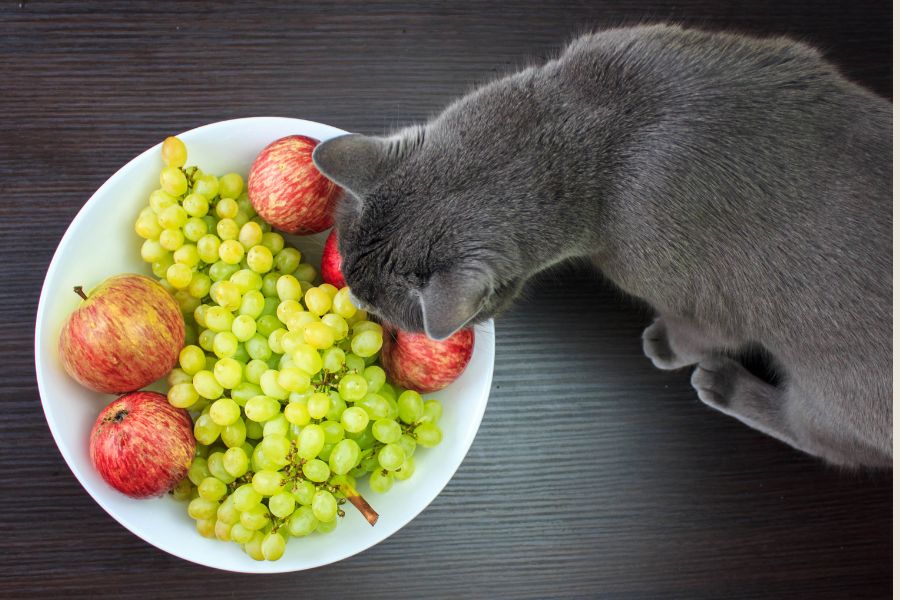
When it comes to your pet’s health, variety in their diet can be just as important as quality. While commercial pet foods provide balanced nutrition, adding fresh, seasonal produce can be a game-changer for their taste buds and well-being. But not all fruits and vegetables are pet-safe. Choosing the right seasonal produce ensures your furry companion enjoys flavorful snacks while staying healthy.
In this guide, we’ll explore which fruits and vegetables are safe for pets each season, how they benefit your pet’s health, and creative ways to serve them.
Spring – Fresh and Light for a New Season
Spring’s bounty is full of fresh greens and crisp fruits that can give your pet’s diet a nutritious boost.
- Spinach (in moderation): Packed with iron, vitamins, and antioxidants, spinach can be a healthy addition to your pet’s meals. However, serve in small amounts to avoid excessive oxalates.
- Blueberries: These tiny powerhouses are high in antioxidants and fiber, perfect for a sweet and healthy treat.
- Carrots: Crisp, crunchy, and great for dental health, carrots make the ideal snack for both dogs and cats.
Serving Tip: Chop vegetables into bite-sized pieces, steam lightly for easier digestion, and mix with their regular food.
Summer – Juicy and Hydrating Treats
Summer heat can be tough on pets, making hydration crucial. Seasonal produce can help keep them cool and refreshed.
- Watermelon: With its high water content, watermelon is a fantastic summer treat for dogs. Just be sure to remove seeds and rind before serving.
- Strawberries: Full of vitamin C and antioxidants, strawberries are sweet, low-calorie snacks your pet will love.
- Zucchini: Light, low-fat, and rich in vitamins, zucchini can be served raw or cooked.
Serving Tip: Freeze bite-sized pieces of fruit for a refreshing summer snack your pet can crunch on during hot days.
Autumn – Warm and Comforting Choices
As temperatures drop, seasonal produce becomes heartier, offering comfort and nourishment.
- Pumpkin: Known for aiding digestion, pumpkin is rich in fiber and beta-carotene. Serve cooked and plain—no sugar or spices.
- Apples: Crunchy and naturally sweet, apples are excellent sources of vitamins A and C. Always remove seeds and core before offering to pets.
- Sweet Potatoes: These nutrient-packed tubers are a hit with pets. They provide vitamins, minerals, and fiber, supporting healthy skin and coat.
Serving Tip: Bake pumpkin or sweet potatoes, mash them, and mix them into your pet’s meal for a warm, cozy treat.
Winter – Nutrient-Dense Comfort Foods
Winter produce often includes heartier vegetables and fruits that help maintain energy during colder months.
- Brussels Sprouts: Rich in vitamins C and K, Brussels sprouts are healthy when served steamed or boiled in small amounts.
- Cranberries: Known for supporting urinary health, cranberries can be given fresh or dried (unsweetened only).
- Kale: Packed with antioxidants and vitamins, kale is best served chopped and lightly cooked to aid digestion.
Serving Tip: Combine chopped winter veggies with warm broth for a pet-safe veggie soup that’s both hydrating and nourishing.
Safety First – Foods to Avoid
While fresh produce can be healthy, certain fruits and vegetables can be harmful to pets. Always avoid:
- Grapes and raisins (toxic to kidneys)
- Onions, garlic, and leeks (can damage red blood cells)
- Avocados (contain persin, which is harmful to pets)
- Cherries (pits contain cyanide)
When in doubt, consult your veterinarian before introducing new foods into your pet’s diet.
Creative Serving Ideas for Picky Eaters
Even if your pet isn’t a veggie lover, creative preparation can make a difference:
- Fruit Kebabs: Alternate safe fruits on a pet-friendly skewer (no sharp ends).
- Veggie Purees: Blend steamed vegetables and freeze in ice cube trays for easy serving.
- Mix-ins: Stir chopped produce into their usual kibble or wet food for added flavor and texture.
The Bottom Line – Freshness in Every Season
Introducing seasonal fruits and vegetables into your pet’s diet can be a rewarding way to enhance their nutrition and variety. Just remember to serve pet-safe produce in moderation, prepare it properly, and always prioritize your pet’s specific dietary needs.
For tailored dietary advice and professional pet care, you can reach out to a trusted Alexandria vet like the compassionate team. They can guide you on the right seasonal additions for your furry friend’s health.
With a little creativity and knowledge, you can make every season delicious and nourishing for your pet.