
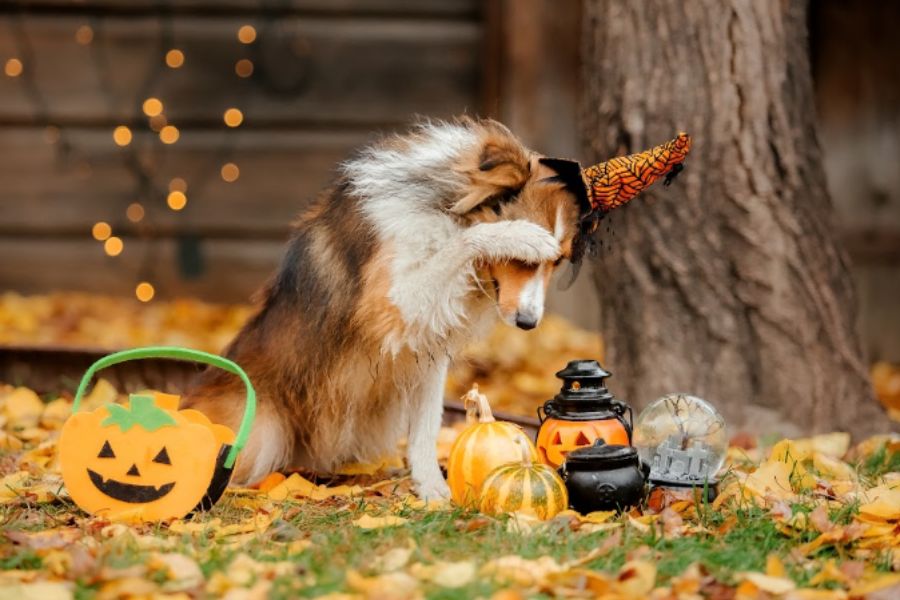
Halloween decorations can turn an ordinary home into a spooky setting, but some decorations carry risks that pet owners may overlook. Fake cobwebs and stretch webbing are popular because they are lightweight, inexpensive, and easy to hang. Unfortunately, these decorations can become dangerous when curious dogs and cats start playing with them, chewing them, or getting caught in their fibers.
A playful cat might mistake hanging webbing for a toy, while a dog may swallow loose strands while exploring the yard. What begins as harmless curiosity can lead to painful injuries, digestive problems, or an unexpected veterinary visit.
For pet owners in Alexandria, understanding these seasonal hazards can help prevent serious health concerns. This guide explains how artificial cobwebs affect pets, which warning signs deserve attention, and how timely veterinary care can protect your pet’s health during Halloween.
Why Are Fake Halloween Cobwebs Dangerous for Dogs and Cats?
Artificial cobwebs are commonly made from synthetic fibers designed to stretch across furniture, bushes, doorways, and other surfaces. Although these decorations appear soft and harmless, their thin strands can create problems for pets.
Cats are naturally attracted to dangling objects. They may swat at webbing, pull strands with their claws, or chew loose pieces. Dogs may investigate decorations with their mouths, especially when the material moves in the wind.
The primary risks include:
- Entanglement: Loose fibers can wrap around paws, legs, tails, or other body parts.
- Accidental ingestion: Swallowed strands may irritate the digestive tract or cause intestinal obstruction.
- Restricted circulation: Tightly wrapped fibers can interfere with blood flow to an affected area.
- Mouth injuries: Fibers caught around teeth or under the tongue may cause discomfort and tissue damage.
- Breathing difficulties: Webbing around the face or neck can interfere with normal breathing.
The risk increases when decorations are placed within a pet’s reach or left unattended.
How Can Fake Cobwebs Cause Entanglement Injuries?
Artificial webbing stretches easily, making it particularly troublesome when pets become caught in it. A cat jumping toward a decoration may catch its claws in the fibers. As the cat struggles to escape, the strands can tighten around its paws or legs. Dogs can experience similar problems when walking through decorations placed near bushes, fences, or outdoor pathways.
Injuries That May Result From Entanglement
Pets caught in artificial webbing may experience several types of injuries.
Skin irritation and abrasions: Repeated pulling against the fibers can cause redness, scratches, and irritated skin.
Paw and claw injuries: Cats may damage their claws while trying to free themselves from tangled strands.
Swelling and circulation problems: Webbing wrapped tightly around a limb or digit can restrict blood flow and cause swelling.
Panic-related injuries: A frightened pet may twist, jump, or run while tangled, potentially causing additional injuries.
If your pet becomes trapped, remain calm and prevent further struggling. Carefully cut away loose webbing when it is safe to do so. Avoid pulling tightly wrapped fibers, especially if they are embedded in the skin.
If webbing is wrapped around the neck, affects breathing, or appears to restrict circulation, seek emergency veterinary attention immediately.
What Happens if Your Pet Swallows Artificial Cobwebs?
Swallowing artificial webbing can be more dangerous than simply chewing on it. Unlike food, synthetic fibers cannot be digested normally. Small pieces may pass through the digestive system, but longer strands or larger amounts can become trapped.
Intestinal Blockages
When swallowed material cannot move through the digestive tract, it may create a gastrointestinal obstruction. An obstruction can prevent food, fluids, and gas from passing normally. Without treatment, it may lead to dehydration, intestinal damage, or other serious complications.
Linear Foreign Bodies
Long strands of webbing can sometimes behave like linear foreign bodies. One end of the material may become anchored while the remaining strand travels through the digestive tract. This can cause the intestines to bunch together, potentially damaging the intestinal wall. Cats are particularly vulnerable to complications from swallowed string-like materials.
Choking and Oral Injuries
Webbing may also become lodged in a pet’s mouth or throat. A pet might gag, paw at its mouth, drool excessively, or struggle to swallow. Severe airway obstruction requires immediate emergency care.
Never pull a strand hanging from your pet’s mouth or rectum. Pulling can cause serious internal injuries if the material is anchored inside the digestive tract.
What Should You Do if Your Pet Eats Fake Halloween Webbing?
Finding chewed or missing Halloween decorations can be alarming. However, taking appropriate action can help reduce the risk of additional injury.
Remove the Remaining Decorations
Move your pet away from the area and remove any loose webbing they could swallow. Check nearby decorations for missing strands or torn sections.
Look for Visible Symptoms
Observe your pet for vomiting, gagging, drooling, abdominal discomfort, or changes in behavior. Even if your pet appears comfortable, swallowed webbing may still create problems inside the digestive tract.
Contact Your Veterinarian
Explain what happened and provide as much information as possible.
Your veterinary team may ask:
- What type of decoration was involved?
- How much material might your pet have swallowed?
- When did the incident occur?
- Has your pet vomited or shown unusual behavior?
- Is your pet eating and drinking normally?
These details help determine the next appropriate step.
Avoid Home Remedies
Do not attempt to induce vomiting unless a veterinarian specifically instructs you to do so.
Avoid giving oils, laxatives, or other home treatments to force the material through your pet’s digestive system.
These approaches may worsen the situation or delay necessary treatment.
How Can Veterinary Care Help Pets After Webbing Ingestion?
Suspected foreign-object ingestion requires careful evaluation because symptoms alone cannot always reveal the severity of the problem.
At our veterinary practice, our vets consider the circumstances of the incident, your pet’s symptoms, and examination findings before recommending the next steps.
Physical Examination
The initial examination may include checking your pet’s mouth, abdomen, hydration, breathing, and overall condition.
Our vets also review changes in appetite, activity, and bowel movements to better understand the concern.
Diagnostic Testing
When an intestinal obstruction is suspected, diagnostic imaging may help evaluate the digestive tract.
X-rays can reveal certain signs associated with an obstruction, although synthetic webbing itself may not be visible. Ultrasound or additional testing may be recommended depending on the findings.
Treatment and Follow-Up
Treatment depends on the material swallowed, the pet’s condition, and whether an obstruction or injury is present. Some cases may require monitoring and supportive treatment under veterinary guidance. More serious cases may require surgical intervention or referral for emergency treatment.
Understanding when your pet needs urgent care can make a meaningful difference in how quickly potential complications are identified. Our veterinary team evaluates unexpected health concerns and helps pet owners understand the appropriate course of action.
How Can You Decorate for Halloween Without Putting Your Pet at Risk?
Preventing access to hazardous decorations is the most effective way to reduce Halloween-related injuries. Pet owners do not have to avoid decorating altogether. A few changes can make seasonal decorations safer.
Choose Decorations Without Loose Fibers
Consider solid decorative materials rather than artificial webbing that can stretch, tear, or unravel. Wall decals, sturdy signs, and securely mounted decorations may provide safer alternatives.
Keep Decorations Out of Reach
Avoid hanging artificial cobwebs near pet beds, scratching posts, feeding areas, or places where pets regularly play. Remember that cats can reach elevated surfaces, including shelves and window ledges.
Inspect Decorations Regularly
Check Halloween decorations for loose strands, torn sections, or damaged attachments.
Remove anything that appears easy to chew or swallow.
Supervise Outdoor Activities
Dogs may encounter artificial webbing while exploring yards, porches, or neighborhood decorations. Keep pets supervised around seasonal displays and prevent them from investigating loose materials.
Provide Safe Toys
Offer pet-appropriate toys to redirect attention away from decorations.
Choose toys suited to your pet’s size and chewing habits, and inspect them regularly for damage.
Keep Halloween Fun Without Putting Your Pet’s Health at Risk
At Caring Hands Animal Hospital, we understand how concerning unexpected health problems can be for pet owners. Our veterinary team provides urgent vet care in Alexandria, helping families understand their pets’ symptoms and determine appropriate treatment options.
If your dog or cat has swallowed artificial webbing, become tangled in decorations, or developed unusual symptoms, do not wait for the condition to worsen. Contact our veterinary practice at (703) 778-2500 today. Our team is here to help you make informed decisions and protect your pet’s health throughout the Halloween season.
Frequently Asked Questions(FAQs):
1. Can fake Halloween cobwebs cause intestinal blockages in dogs?
Yes. Swallowed artificial webbing can become trapped in a dog’s digestive tract, potentially causing an intestinal obstruction. Warning signs may include repeated vomiting, abdominal pain, reduced appetite, and unusual tiredness. Contact a veterinarian promptly if you suspect your dog swallowed webbing.
2. Why are cats attracted to artificial Halloween webbing?
Cats often respond to dangling or moving objects because these movements stimulate their hunting instincts. Artificial webbing may resemble string or other tempting toys. Unfortunately, chewing or swallowing the strands can cause serious digestive complications.
3. Should I pull fake webbing from my pet’s mouth if it gets stuck?
No. If a strand extends into your pet’s throat or appears to have been swallowed, do not pull it. The material could be anchored inside the digestive tract. Contact a veterinarian for guidance. If your pet cannot breathe normally, seek emergency veterinary care immediately.
4. Where can I take my dog in Alexandria, VA, after suspected Halloween decoration ingestion?
If your dog has swallowed artificial webbing, contact Caring Hands Animal Hospital in Alexandria, VA, for guidance. Our veterinary team evaluates possible foreign-object ingestion and other sudden health concerns. We can help determine whether your dog needs an urgent examination or immediate emergency care.
5. Can Caring Hands Animal Hospital help if my cat gets tangled in Halloween cobwebs?
Yes. Caring Hands Animal Hospital in Alexandria can evaluate cats experiencing injuries, swelling, pain, or other concerns following entanglement. Our vets examine the affected areas and recommend appropriate care based on the findings. Severe circulation problems or breathing difficulties require immediate emergency attention.
6. How can pet owners in Alexandria schedule an urgent veterinary visit after a Halloween accident?
Pet owners in Alexandria can contact Caring Hands Animal Hospital at (703) 778-2500 to discuss their pet’s symptoms and request an appropriate appointment. Our veterinary team can help assess the urgency of the situation and provide guidance on the next steps.
