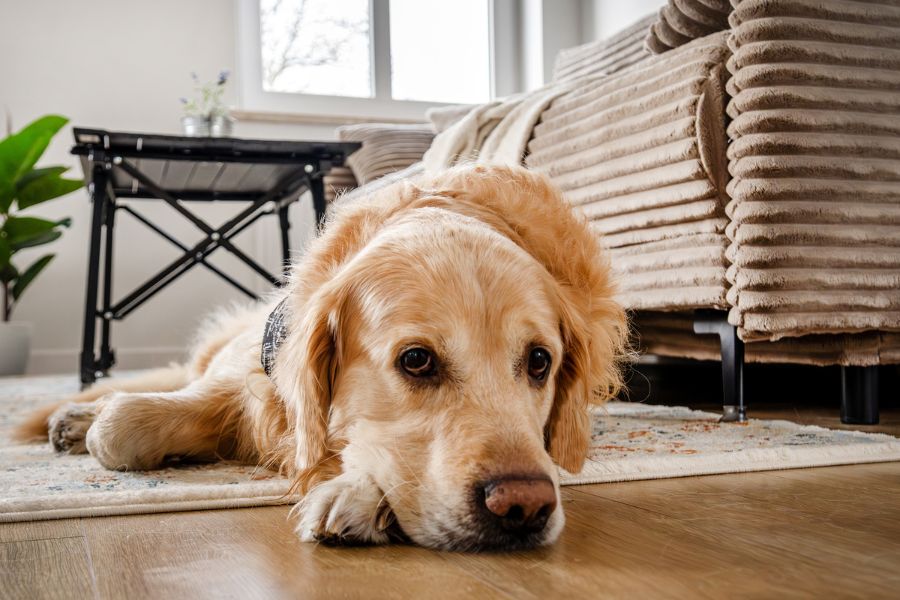
A missed meal is not always a crisis, but a dog that refuses food for too long may need prompt attention. Healthy adult dogs can sometimes go about three to five days without eating if they continue drinking and show no concerning signs. Puppies, senior dogs, dogs with chronic conditions, and dogs with vomiting, diarrhea, weakness, pain, or trouble breathing need attention sooner.
This guide explains how long a dog can go without eating, why appetite loss happens, warning signs to watch, what you can do at home, and when professional help is appropriate for families in Bristow.
How Long Can a Dog Go Without Eating?
There is no safe number for every dog. A healthy adult dog that skips one meal may simply have a temporary appetite change. A dog that refuses food for 24 hours deserves closer observation, especially when the change is unusual.
At 48 hours without food, contacting a pet care professional is sensible. Waiting several days can allow an underlying problem to worsen.
Water intake matters. A dog that is not eating but is drinking normally may have a different level of concern than a dog refusing both food and water. Fluid loss can become serious faster than missed meals.
When Does Loss of Appetite Become Urgent?
Watch for These Warning Signs
Refusing food becomes more concerning when it appears with:
- Repeated vomiting or diarrhea
- Extreme tiredness or weakness
- A swollen, painful, or tense abdomen
- Trouble breathing
- Pale, blue, or unusually dark gums
- Collapse, confusion, or unusual behavior
- Difficulty standing or walking
- Signs of severe pain
- Suspected poisoning or ingestion of a harmful object
A dog showing these signs should be assessed promptly. Do not wait for appetite to return on its own.
Puppies Need Faster Attention
Puppies have smaller energy reserves and can become unwell faster when they stop eating. A young puppy that misses several meals, seems weak, vomits, develops diarrhea, or refuses water should receive prompt guidance.
Age, size, health history, and recent changes affect how concerning food refusal may be.
Why Is Your Dog Not Eating?
Appetite loss has many possible causes. Stress, routine changes, heat, picky eating, dental discomfort, nausea, stomach upset, infection, pain, medication effects, and other health problems can reduce interest in food.
A dog may refuse meals after eating something unusual. Some dogs lose appetite because they are anxious. Others may struggle to chew or swallow comfortably.
The cause cannot be identified from appetite loss alone. Pay attention to what changed before your dog stopped eating. Note food changes, new treats, medications, possible access to household items, bowel movements, water intake, and behavior.
What Can You Do at Home?
If your dog skipped one meal and otherwise acts normally, keep fresh water available and monitor closely. Offer the usual food at the normal mealtime rather than repeatedly presenting different foods.
Ask a pet care professional whether a temporary bland diet is appropriate for your dog’s situation. Do not force food into your dog’s mouth. Do not give human medications unless a professional specifically tells you to do so.
Keep a simple record of when your dog last ate, drank, vomited, passed stool, or behaved unusually. This can make an assessment more useful.
When Should You Call for Help?
Call for guidance when your adult dog has gone about 24 hours without eating, particularly if the appetite change is unusual. Seek faster assessment when food refusal occurs with repeated vomiting, diarrhea, weakness, pain, breathing difficulty, dehydration, or abnormal behavior.
A dog that cannot keep water down needs prompt attention. A dog that may have swallowed a foreign object or harmful substance should be assessed promptly.
If you are unsure whether your dog’s condition can wait, your nearby veterinarian in Bristow can provide a practical path for getting timely help.
Call us at: 703-368-7300
Conclusion
Knowing how long a dog can go without eating helps you respond without panic or unnecessary delay. One missed meal may be minor, while 24 hours of refusal deserves attention. Puppies, older dogs, and dogs with health concerns may need help sooner. Watch eating, drinking, energy, bathroom habits, and behavior together. Repeated vomiting, weakness, pain, breathing trouble, or suspected toxin exposure require prompt assessment.
If you’re located in Bristow, reach out to Caring Hands Animal Hospital- Bristow, where compassionate care and community come together for your pet’s well-being. Clear information and timely support can make the next step easier
Frequently Asked Questions(FAQs):
1. How long can a healthy dog go without eating?
A: A healthy adult dog may survive several days without food, but survival is not the same as safety. Contact a professional if your dog refuses food for about 24 hours or develops other symptoms.
2. Should I worry if my dog skips one meal?
A: One missed meal is often less concerning when your dog is alert, drinking, comfortable, and behaving normally. Monitor closely, offer the regular meal later, and seek guidance if appetite does not return.
3. What if my dog is not eating but drinking water?
A: Drinking water is reassuring compared with refusing both food and fluids, but it does not explain appetite loss. Monitor behavior and other symptoms, and seek guidance if food refusal continues.
4. When should I take my dog in for not eating?
A: Contact a professional after roughly 24 hours without food, sooner for puppies, seniors, small dogs, or dogs with health problems. Prompt assessment is important when appetite loss occurs with vomiting, weakness, pain, or diarrhea.
5. Can stress make a dog stop eating?
A: Yes. Travel, household changes, unfamiliar surroundings, loud noises, separation, or changes in routine can reduce appetite. Stress should not automatically be assumed as the cause when food refusal persists or other symptoms appear.
6. What should I do if my dog refuses both food and water?
A: Refusing both food and water is more concerning because dehydration can develop quickly. Contact a professional promptly, especially if your dog is weak, vomiting, unusually sleepy, painful, or unable to keep fluids down.