A torn ligament in dogs can change an active pet into one that suddenly struggles to stand, walk, or play. Quick recognition of the warning signs helps reduce discomfort and supports better recovery. This guide explains what causes ligament injuries, symptoms that should never be ignored, what happens during an urgent care visit, available treatment options, surgical repair, recovery expectations, and ways to lower the risk of future injuries.
Understanding each stage allows pet owners to make informed decisions and prepare for the healing process with confidence. If your dog develops sudden limping or difficulty bearing weight, timely attention matters. Pet families in Alexandria can benefit from knowing what to expect before arriving for care.
What Is a Torn Ligament in Dogs?
Ligaments are strong bands of tissue that connect bones and stabilize joints. One of the most common injuries involves the cranial cruciate ligament, often called the CCL. This ligament supports the knee and keeps it from moving in abnormal directions.
A torn ligament may develop after a sudden twist, awkward landing, or intense activity. Some dogs experience gradual ligament weakening over time before the tissue finally tears. Large breeds, overweight dogs, and aging pets often face a greater risk. Once the ligament becomes damaged, normal joint stability decreases, making walking difficult and painful.
Common Signs of Torn Ligaments in Dogs
Recognizing symptoms early helps your dog receive prompt treatment.
Watch for These Symptoms
- Sudden limping on a back leg
- Difficulty standing after resting
- Refusal to jump or climb stairs
- Swelling around the knee joint
- Holding one leg off the ground
- Reduced activity and playfulness
- Sitting with one leg extended outward
Some dogs improve briefly before limping returns. Persistent changes in movement should never be ignored.
When Should You Seek Immediate Medical Attention?
A dog with severe limping, intense pain, or complete inability to bear weight should be examined without delay. Joint injuries can worsen when left untreated.
If your dog suddenly collapses during exercise or cries while walking, consider seeking urgent care for pets as soon as possible. Fast evaluation allows the medical team to identify the cause of the injury and discuss the most appropriate treatment plan before additional joint damage develops.
How Torn Ligaments Are Diagnosed
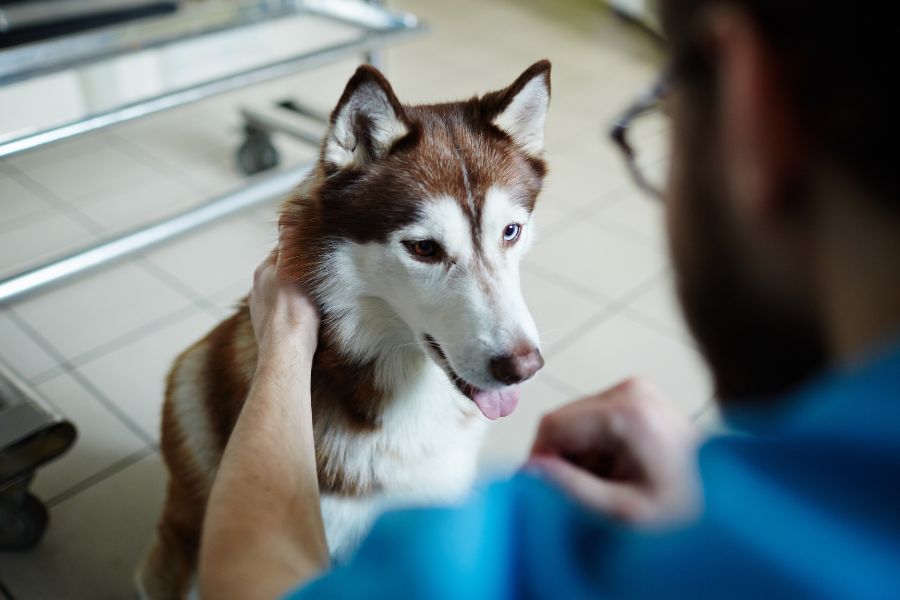
The examination begins with a detailed review of your dog’s history and physical condition. The doctor evaluates walking patterns, checks joint stability, and looks for swelling or discomfort.
Imaging studies often help confirm the diagnosis. X-rays rule out fractures and identify joint changes. Some cases benefit from advanced imaging when more information is needed. After reviewing the findings, the care team explains the severity of the ligament injury and recommends the next steps based on your dog’s age, size, lifestyle, and overall health.
Treatment Options for Torn Ligaments
Treatment depends on the severity of the injury and the dog’s individual needs.
1. Non-Surgical Management
Small dogs with mild injuries may improve through conservative care. This approach often includes:
- Activity restriction
- Weight management
- Pain relief medication
- Joint support supplements
- Physical rehabilitation
Close monitoring remains important because some dogs eventually require surgery if mobility does not improve.
2. Surgical Repair
Many dogs with complete ligament tears achieve better long-term function through surgery. Several procedures restore joint stability and reduce ongoing damage.
The surgeon selects the most suitable technique after evaluating the dog’s size, activity level, and joint condition. Modern surgical methods aim to improve comfort, support healing, and help dogs return to daily activities with better stability.
Recovery After Ligament Surgery
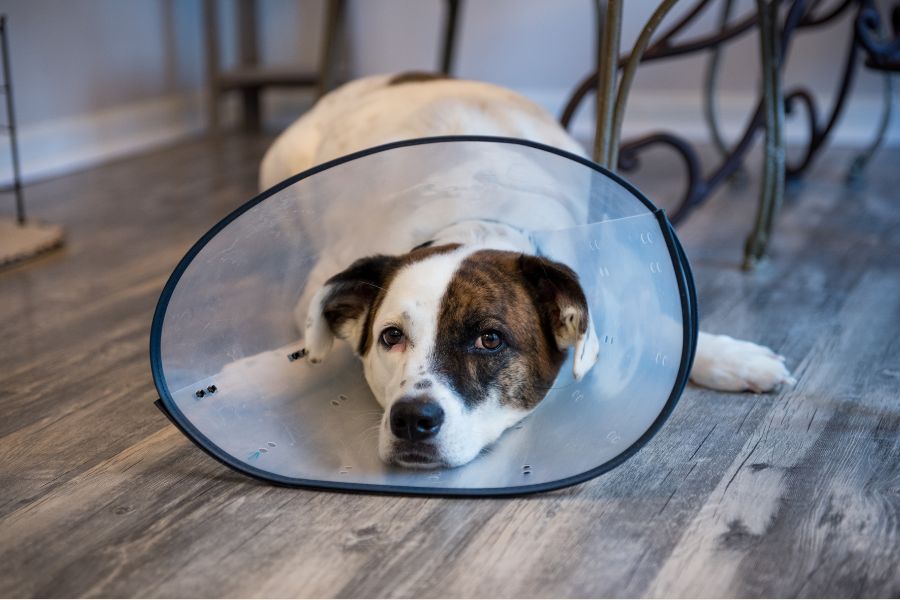
Healing takes time and requires commitment from pet owners. Recovery often lasts several months.
During the first weeks, activity remains limited to short leash walks and supervised movement. Running, jumping, and rough play should be avoided until the joint heals properly.
Rehabilitation exercises help improve strength, flexibility, and balance. Regular follow-up appointments allow the care team to monitor progress and adjust recovery plans when needed.
Many dogs regain excellent mobility after successful surgery and consistent home care.
Preventing Future Ligament Injuries
Not every ligament injury can be prevented. Healthy habits reduce strain on the joints.
Keep your dog at a healthy weight to decrease stress on the knees. Regular low-impact exercise supports muscle strength without placing excessive pressure on the joints. Warm up before strenuous activities when possible. Avoid repetitive jumping from high surfaces. Routine wellness visits also help identify joint concerns before they become more serious.
Early attention to subtle mobility changes often prevents additional joint damage.
Call Us Today
If your dog develops sudden limping, struggles to bear weight, or shows signs of joint pain, don’t wait for symptoms to worsen. Call us at:703-778-2500 to schedule prompt urgent care and help your pet receive timely evaluation and treatment.
Conclusion
A torn ligament in dogs affects mobility, comfort, and overall quality of life. Early recognition, prompt evaluation, appropriate treatment, and dedicated recovery efforts all contribute to successful healing. Staying informed allows pet owners to respond quickly when injuries occur and support their dogs throughout every stage of recovery.
If you’re located in Alexandria, reach out to Caring Hands Animal Hospital- Alexandria, where compassionate care and community come together to support your pet’s well-being with timely treatment and personalized attention.
Frequently Asked Questions(FAQs):
1. How can I tell if my dog has a torn ligament?
A: Dogs with torn ligaments often limp suddenly, avoid putting weight on one leg, struggle to stand, or refuse stairs and jumping. Swelling around the knee may also appear. A professional examination confirms the diagnosis.
2. Can a torn ligament heal without surgery?
A: Some small dogs with partial ligament injuries respond to rest, medication, rehabilitation, and weight management. Complete tears or larger dogs often benefit more from surgical repair for improved long-term joint stability and comfort.
3. How long does recovery take after ligament surgery?
A: Most dogs require several months for full recovery. Controlled activity, rehabilitation exercises, follow-up visits, and careful home management all play important roles in restoring strength and improving joint function after surgery.
4. What causes torn ligaments in dogs?
A: Ligament injuries may result from sudden twisting movements, awkward landings, excessive activity, aging, obesity, or gradual ligament degeneration. Certain breeds also have a greater tendency to develop knee ligament problems over time.
5. Should I limit my dog’s activity before treatment?
A: Yes. Restrict running, jumping, and rough play if a ligament injury is suspected. Keeping activity controlled helps reduce additional joint damage until your dog receives a proper evaluation and treatment recommendation.
6. Can torn ligaments happen in both back legs?
A: Yes. Some dogs eventually develop ligament injuries in the opposite knee because of increased weight bearing and underlying joint changes. Maintaining a healthy weight and following recovery guidelines may help reduce future joint stress.