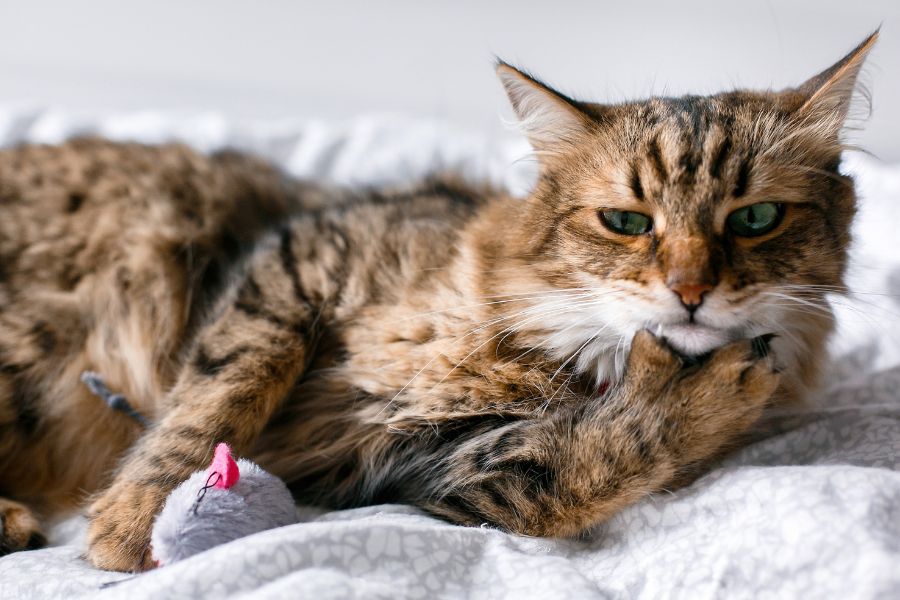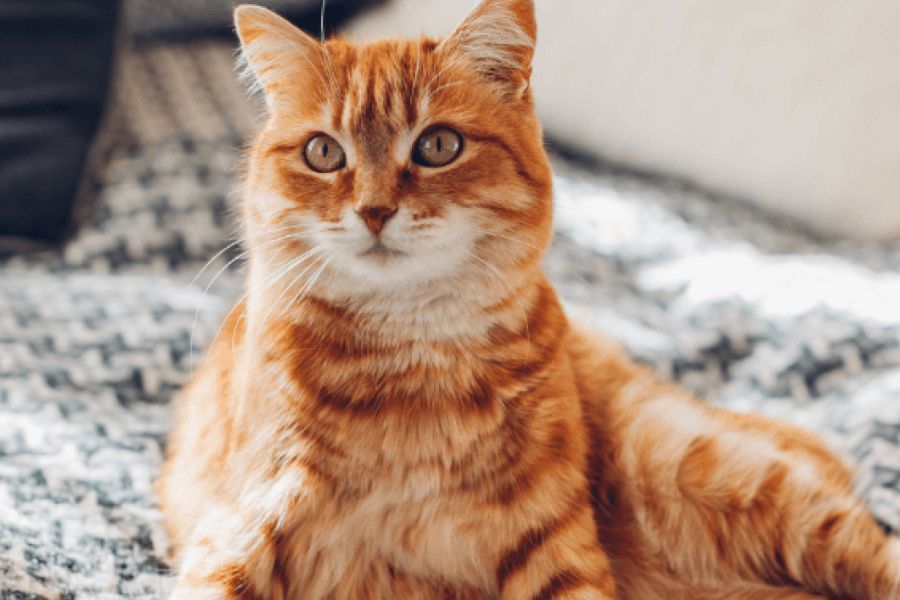
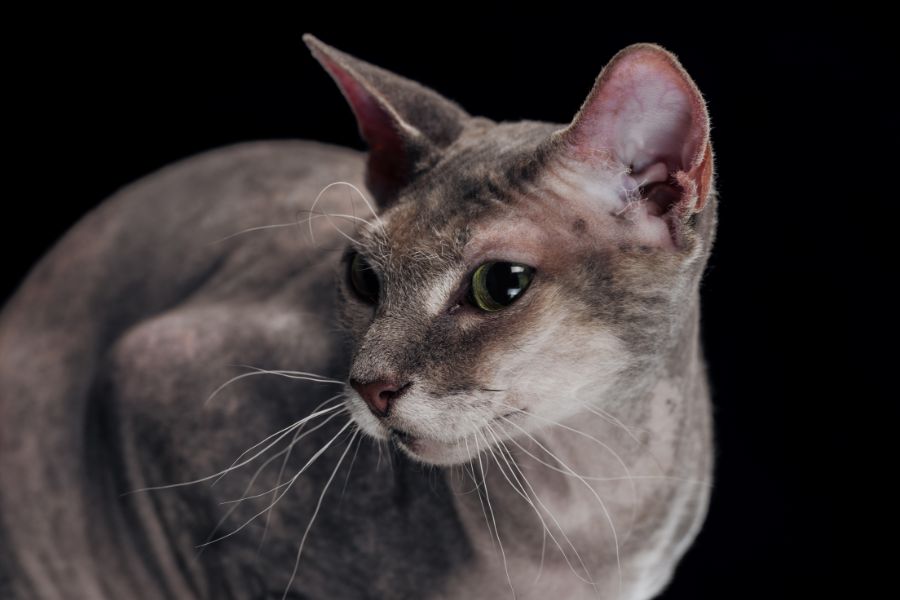
Living with allergies does not always mean giving up the idea of having a cat. Many people successfully share their homes with feline companions by choosing the right breed and managing their environment thoughtfully.
This guide explores the best cats for people with allergies, explains what actually triggers reactions, and offers practical ways to reduce symptoms at home. It also highlights how lifestyle, grooming habits, and home setup influence comfort levels. If you are considering bringing a cat into your household in Centreville, this guide will help you make a confident and informed decision.
What Causes Cat Allergies?
Allergies linked to cats are not caused by fur itself. The main trigger is a protein called Fel d 1, which is found in a cat’s saliva, skin, and dander. When cats groom themselves, this protein spreads onto their coat and into the air.
Some cats naturally produce lower levels of this protein. These breeds are often labeled as “hypoallergenic,” though no cat is completely allergen-free. Individual reactions vary, which makes it important to spend time with a breed before committing.
Characteristics of Low-Allergy Cats
1. Lower Shedding
Cats that shed less tend to spread fewer allergens around the home. Less loose fur means fewer particles floating in the air.
2. Unique Coat Types
Certain breeds have curly, short, or single-layer coats that trap dander more effectively instead of releasing it.
3. Reduced Fel d 1 Production
Some breeds naturally produce less of the allergen protein, making them more suitable for sensitive individuals.
Best Cat Breeds for Allergy Sufferers
1. Siberian Cat
The Siberian cat often surprises allergy sufferers. Despite its thick coat, it produces lower levels of Fel d 1 compared to many other breeds. Their affectionate personality makes them a popular family choice.
2. Balinese Cat
Known as the “long-haired Siamese,” the Balinese cat has a silky coat that does not shed heavily. It also produces fewer allergens, making it a strong option for those with mild sensitivities.
3. Bengal Cat
The Bengal cat has a short, fine coat that requires minimal grooming. This reduces the spread of dander. Their energetic nature suits active households.
4. Devon Rex
With its soft, curly coat, the Devon Rex sheds very little. Its unique coat structure helps limit allergen spread, making it easier to manage allergies indoors.
5. Cornish Rex
The Cornish Rex has an even shorter coat than the Devon Rex. It lacks outer guard hairs, which means less shedding and fewer allergens released into the environment.
6. Russian Blue
The Russian Blue is known for its dense double coat and lower allergen production. It also tends to groom less excessively, which can help reduce allergen distribution.
Practical Tips for Managing Allergies
1. Maintain a Cleaning Routine
Regular vacuuming with HEPA filters helps remove allergens from carpets and furniture. Hard flooring can make cleaning easier in many homes.
2. Create Cat-Free Zones
Designating certain rooms, especially bedrooms, as pet-free spaces can significantly reduce exposure during rest hours.
3. Grooming and Hygiene
Brushing your cat regularly helps remove loose fur and dander. Washing your hands after handling your cat can also minimize irritation.
4. Improve Indoor Air Quality
Air purifiers with HEPA filters can capture airborne allergens. Good ventilation also plays a key role in keeping indoor air fresh.
Choosing the Right Cat for Your Lifestyle
Selecting a cat goes beyond breed alone. Personality, grooming needs, and your daily routine all matter. Spending time with a cat before adoption helps you understand your reaction and compatibility.
Households in Centreville often benefit from consulting local shelters or breeders who allow interaction sessions. This step provides clarity and prevents unexpected challenges later.
When to Seek Professional Guidance
If allergies are persistent, consulting a healthcare provider can help you understand your sensitivity level. At the same time, discussing your plans with a veterinary team ensures your pet’s care aligns with your household’s needs.
If you’re located in Centreville and looking for trusted veterinary care near you, then schedule an appointment with Caring Hands Animal Hospital to learn more about maintaining a healthy environment for both you and your pet. You can also explore their homepage to understand the full range of services available for your cat’s long-term well-being.
Conclusion
Choosing the right cat and maintaining a clean environment can make pet ownership possible even for allergy sufferers. Thoughtful decisions around breed, grooming, and home care create a balanced and comfortable living space. With the right approach, enjoying companionship without constant discomfort becomes achievable.
We are conveniently located in Centreville, VA. Reach out to our facility at 5659 Stone Rd, Centreville, VA 20120—where compassionate care and community come together for your pet’s well-being.
Frequently Asked Questions(FAQs):
1. Are hypoallergenic cats completely allergy-free?
A: No cat is completely allergy-free. Some breeds produce fewer allergens, which may reduce symptoms. Individual reactions vary, so spending time with a cat before adoption helps determine compatibility.
2. Which cat breed is best for severe allergies?
A: Breeds like Siberian, Balinese, and Devon Rex are often considered better options. Their lower allergen production and coat types may help reduce reactions, though results differ for each person.
3. Can regular cleaning really reduce allergies?
A: Yes, consistent cleaning removes dander and hair from your home. Using HEPA filters, vacuuming frequently, and washing fabrics can significantly lower allergen levels and improve indoor comfort.
4. Do short-haired cats cause fewer allergies?
A: Not always. Allergies are linked to proteins, not fur length. Some short-haired cats still produce high allergen levels, while certain long-haired breeds may be more tolerable.
5. Should I bathe my cat to reduce allergens?
A: Occasional bathing can help remove dander, but it should be done carefully. Over-bathing may irritate the cat’s skin. Consult a professional before starting a regular bathing routine.
6. Is it safe to live with a cat if I have mild allergies?
A: Many people with mild allergies successfully live with cats by managing their environment. Proper cleaning, air filtration, and choosing the right breed make a noticeable difference.